





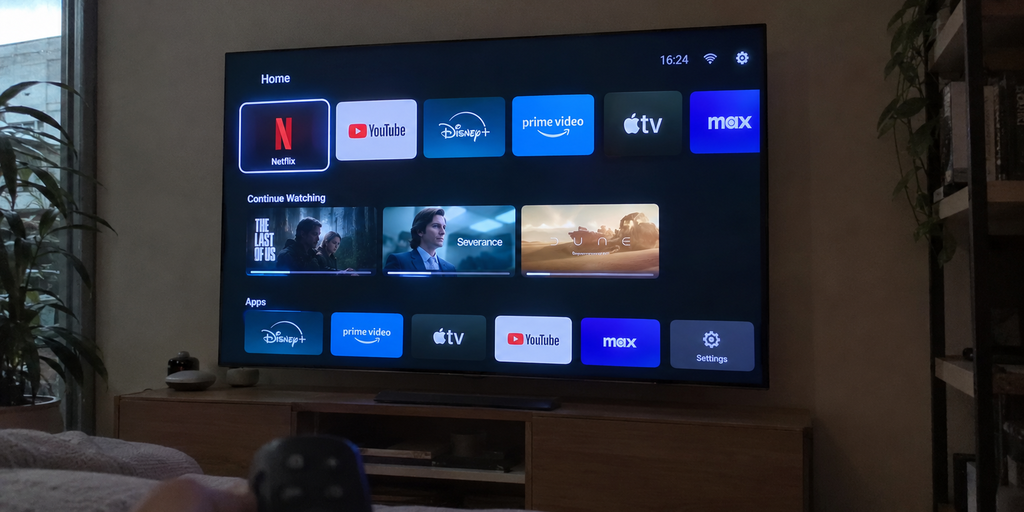
The modern smart television has evolved into a sophisticated data-collection terminal. While consumers purchase these devices to consume media, manufacturers view them as advertising platforms, embedding telemetry software and Automatic Content Recognition (ACR) to track user behavior and serve targeted ads. Recently, a wave of tech-savvy users has begun fighting back using the latest advancements in artificial intelligence. By leveraging autonomous coding agents, they are effectively “debloating” their living room displays, stripping away unwanted software to reclaim control over their hardware.
The Mechanics of AI-Driven TV Optimization
The current trend relies on the power of AI coding agents, specifically Anthropic’s Claude Code. These tools possess the unique ability to execute commands directly on a user’s local network. Most modern smart TVs operate on Android-based firmware, which includes the Android Debug Bridge (ADB)—a versatile command-line tool used by developers for system management and testing.
By enabling “developer mode” on their TVs, users grant these AI agents access to the device’s internal file system. The agent scans the installed applications and identifies packages responsible for telemetry, advertisements, and sluggish launcher interfaces. Rather than permanently deleting these components, which could compromise system stability, the agents disable the packages. This distinction is critical because it allows the user to restore the original factory state via a simple script if any issues arise.
The Rise of Open-Source Projects
This movement has moved beyond individual experimentation and into organized community efforts. The project known as “cleanyourtv” serves as a central hub for this trend, providing a standardized framework for users to follow. As of mid-October 2026, the repository supports 107 different TV models across 37 brands, including major manufacturers like Sony, TCL, Hisense, and Xiaomi.
The project’s appeal lies in its simplicity and accessibility. Users do not need to perform high-risk procedures like “rooting,” which grants full administrative access but often voids warranties and risks bricking the device. Instead, the AI-driven approach functions as a user-level configuration change. Thousands of users have adopted these scripts to replace resource-heavy, ad-laden launchers with lightweight, custom interfaces that prioritize speed and user privacy over corporate monetization.
Addressing Privacy and ACR Concerns
The motivation behind this movement is rooted in a growing dissatisfaction with how television manufacturers generate revenue. Smart TVs often employ ACR technology, which monitors every frame displayed on the screen—whether from a console, a cable box, or a streaming app—and reports that data back to the manufacturer. This allows companies to build detailed profiles of viewing habits, which are then used to sell advertising slots.
The scale of this data collection is significant. In late 2025, the state of Texas initiated lawsuits against major manufacturers, including Sony, Samsung, LG, Hisense, and TCL, alleging that their devices capture display screenshots as frequently as every 500 milliseconds. Despite past regulatory actions and settlements, such as the 2017 Vizio case involving the unauthorized collection of viewing data, the industry has continued to integrate ad-revenue models deeper into the television experience. By removing the underlying software responsible for this tracking, users are effectively “silencing” their TVs.
Customization and Performance Gains
Beyond privacy, the primary draw for many users is a dramatic improvement in performance. Stock TV launchers are notoriously resource-intensive, often consuming large portions of the device’s limited memory to display sponsored content and recommendation carousels.
Early adopters report impressive results. Some have managed to replace 192 MB stock launchers with custom versions requiring only 83 MB, resulting in a nearly 90% increase in available system memory. Others have taken the customization further, using AI to generate unique interfaces, such as minimalist launchers that provide nothing more than a clock and a list of HDMI inputs, or even dashboards that display home automation data like smart-light status and energy usage.
Risks and Future Considerations
While the promise of a personalized, ad-free television is appealing, the process is not without risk. Because the tools rely on network-based debugging, they can be insecure if left configured incorrectly. The cleanyourtv documentation warns that ADB connections are typically unencrypted, potentially allowing other devices on the same Wi-Fi network to intercept or interfere with the TV’s commands. Furthermore, there have been reports of users “bricking” their sets—making them unusable—due to improper commands or unstable firmware interactions.
Additionally, while Android-based TVs are highly compatible with these scripts, other platforms like Samsung’s Tizen or LG’s webOS remain more challenging to modify. Despite these barriers, the rapid adoption of these AI-based solutions signals a clear shift in how consumers view their hardware. By treating the smart TV not as a finished product, but as an open-ended piece of technology, users are reclaiming the right to decide how their living room devices function. As long as manufacturers continue to prioritize intrusive data harvesting, this trend of “vibe coding” and debloating is likely to grow, turning passive viewers into active administrators of their own hardware.
Disclaimer: This content is auto-generated for informational purposes only.
Source: Read Original News