







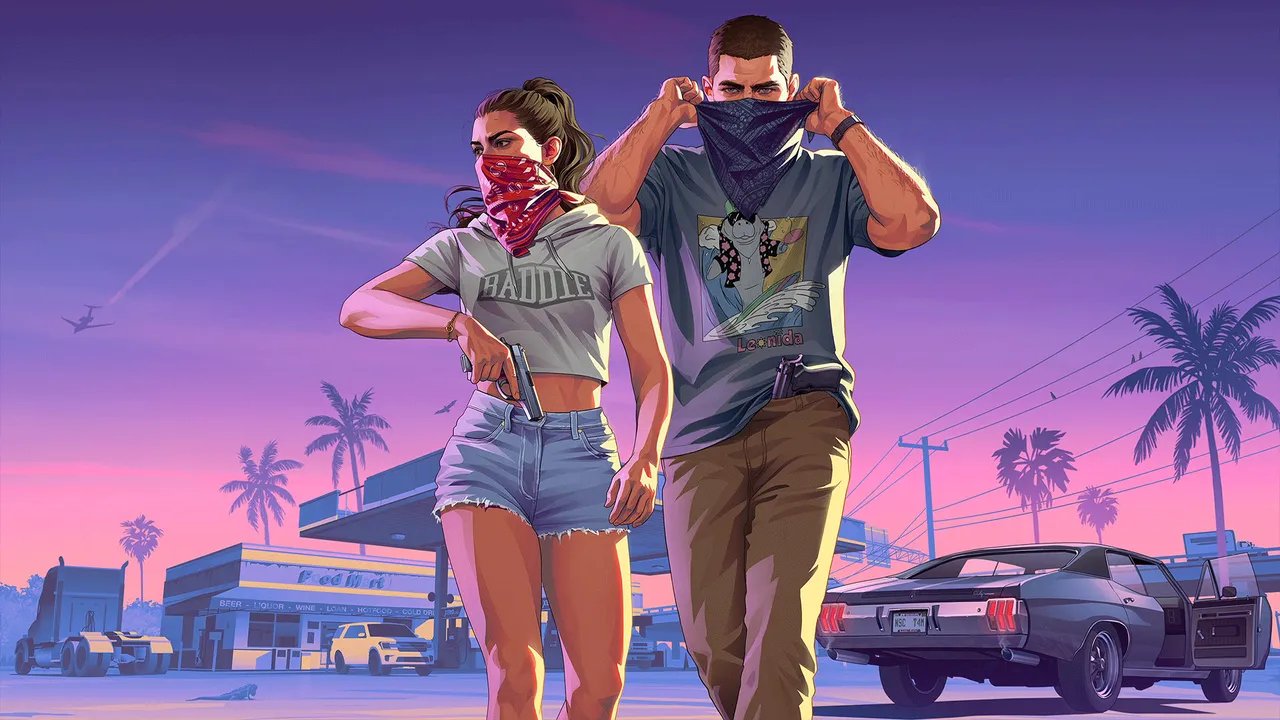
The Convergence of Virtual Worlds and Reality
The boundary between digital simulation and physical reality is blurring in unprecedented ways as Rockstar Games accelerates its promotional efforts for the highly anticipated launch of Grand Theft Auto 6. Residents of Miami have reported intense, coordinated activities across the city that suggest a large-scale multimedia production. Convoys of high-performance vehicles, explicitly styled to mimic the satirical in-game brands like Grotti and Emerus, have been spotted traversing the urban landscape under the watchful eye of professional camera crews.
This development follows a series of aggressive marketing maneuvers that have effectively transformed Miami—the real-world inspiration for the game’s fictional setting, Vice City—into a live-action stage. Beyond the vehicular sightings, Rockstar has saturated the metropolitan area with thematic signage, including subtle “Welcome to Vice City” inscriptions on stadium infrastructure and custom graffiti art. This strategy deviates from traditional digital-only marketing, suggesting that the studio is investing heavily in a hybrid promotion that links real-world urban exploration with the game’s narrative identity.
Technical Execution and Automotive Parody
The authenticity of these sightings has been verified by numerous observers who noted the distinct design language of the vehicles involved. By meticulously modifying real-world cars to reflect the Grotti and Emerus aesthetics—brands that mirror real-life Ferrari and McLaren silhouettes—Rockstar is maintaining its tradition of sophisticated parody. These vehicles are not merely promotional props; their technical integration into public traffic flow, complete with custom license plates, indicates a high degree of planning and professional coordination.
The involvement of automotive customization specialists, such as West Coast Customs, suggests that these vehicles were built to withstand rigorous filming conditions while maintaining high-fidelity visuals that translate well to promotional trailers. The precision with which these cars are being deployed serves as a testament to the scale of the operation, which appears designed to produce footage that captures the specific lighting, atmosphere, and architectural backdrop of the Miami region, ensuring that the transition between the marketing material and the in-game assets feels seamless to the audience.
Strategic Marketing through Physical Presence
The broader campaign, which includes a recurring presence of a “Vice City” blimp and the announcement of a specialized “A Night in Vice City” event with the Miami Heat, demonstrates a strategy focused on total environmental saturation. This method serves two purposes: it creates a tangible connection for the local population and generates organic digital content as residents document these occurrences on social media.
By leveraging the city’s infrastructure as a billboard, Rockstar is bypassing the clutter of digital advertisements and forcing engagement through real-world immersion. This physical takeover provides a unique test bed for the game’s aesthetic, confirming that the developers intend to leverage the authentic “Florida feel” that has been a hallmark of the series. Industry analysts suggest that this approach is intended to build momentum leading up to the title’s pre-installation phase, creating a sense of inevitability around the November 19 release date.
Data-Driven Insights and Potential Product Extensions
The marketing campaign extends beyond visual spectacles, as indicated by recent bureaucratic filings. There is evidence suggesting the development of real-world iterations of fictional beverage brands featured within the GTA universe. This strategy of moving virtual goods into the physical retail space is a significant shift, suggesting that the IP is being treated as a lifestyle brand rather than a standalone digital product.
When cross-referenced with the activities observed in Miami, it becomes clear that the promotional strategy is multi-faceted. The synchronization of government filings for consumer goods with the logistical deployment of film crews and branded vehicles suggests that the upcoming trailer or multimedia project is part of a larger ecosystem of announcements. The intent appears to be to anchor the game’s lore in the physical world, thereby increasing the cultural impact of the release on the PlayStation 5 and Xbox Series X|S platforms.
Implications for Future Marketing Paradigms
The ongoing “takeover” of Miami represents a potential shift in how massive, blockbuster-tier video games are marketed. By utilizing the city itself as a studio, Rockstar Games is setting a new standard for experiential advertising. This is not merely about brand recognition; it is about establishing a localized identity for the game before it is even playable. The reliance on real-life film crews to capture content suggests that the upcoming trailer will prioritize a “live-action” aesthetic, perhaps to emphasize how closely the game’s engine and environmental rendering reflect the realities of the actual coastal city.
As the industry moves toward increasingly high-fidelity graphics and immersive gameplay, the marketing strategy is evolving to match that intensity. By effectively blurring the lines between what is rendered in the game and what is captured on the streets of Miami, the publisher is generating a narrative that suggests the game is less of a simulation and more of a digital extension of reality. Whether this campaign culminates in a final blockbuster trailer or an ongoing interactive series of events, it marks a pivotal moment in the intersection of gaming, urban culture, and high-budget media production. The success of this campaign will likely be measured by the engagement levels surrounding the November launch, confirming whether this immersive strategy succeeds in driving player retention and long-term interest in the Vice City ecosystem.
Disclaimer: This content is auto-generated for informational purposes only.
Source: Read Original News