








The Geopolitical Nexus of Global Commodity Markets
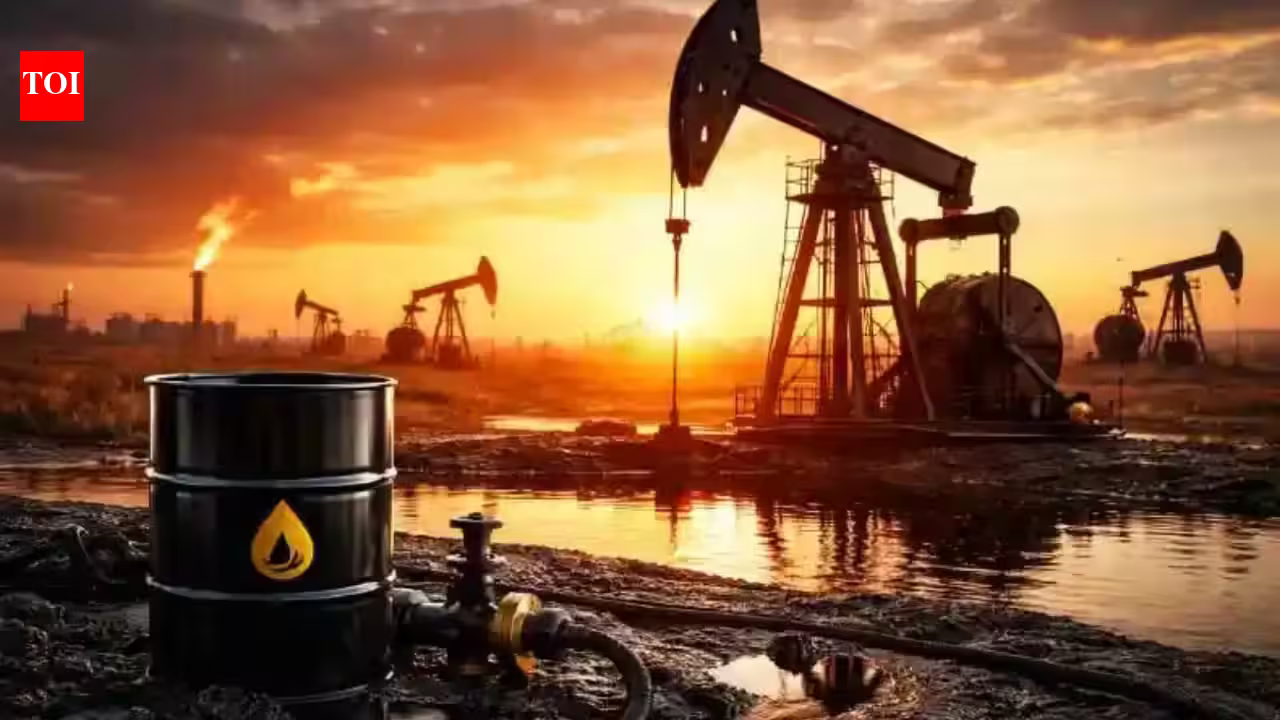
The global commodities landscape is currently navigating a period of heightened sensitivity, where geopolitical friction and supply chain vulnerabilities dictate price trajectories. A recent assessment by Goldman Sachs underscores a significant reality: commodity prices are expected to remain volatile through 2027, driven by a confluence of persistent regional conflicts, logistical bottlenecks in critical energy corridors, and shifting climate patterns. At the heart of this uncertainty lies the Middle East, specifically the Strait of Hormuz, a narrow waterway that serves as the world’s most vital artery for oil transport. Escalating maritime security concerns and attacks on energy infrastructure have introduced a precarious risk premium into global markets, fundamentally altering the way investors and corporations assess energy security.
While base-case forecasts suggest a potential moderation in prices as regional supplies stabilize, the prospect of prolonged disruptions presents a stark alternative. In a scenario where Gulf output remains significantly curtailed—specifically by 5 million barrels per day relative to early 2026 levels—the market could witness a dramatic surge in Brent crude, with projections suggesting price points reaching as high as $140 per barrel by early 2027. This potential for extreme variance reflects the fragile balance between global energy demand and the limited throughput capacity of existing maritime and pipeline infrastructure.
Energy Security and the India Context
For an emerging economy like India, the volatility in global commodity markets holds profound structural implications. As one of the world’s largest importers of crude oil, India is highly susceptible to price shocks originating in the Middle East. Any upward movement in Brent crude directly impacts the nation’s current account deficit and inflationary pressures. When global oil prices climb, the cascading effect on logistics, manufacturing, and consumer spending can stifle domestic economic momentum.
Indian policy planners are acutely aware of the necessity to diversify energy sources to mitigate these risks. The current geopolitical climate serves as a catalyst for accelerating investments in renewable energy, domestic biofuel production, and the strategic expansion of petroleum reserves. However, in the near term, India remains tethered to the fluctuations of the global oil market. The concerns raised regarding shipping disruptions in the Gulf are particularly relevant to India, given the country’s heavy dependence on these trade routes for both oil and natural gas imports. Sustained high prices for energy could necessitate difficult trade-offs in fiscal management, as the government balances the need to subsidize fuel costs against the requirements of long-term infrastructure development.
Agricultural Fragility Amid Climate and Conflict
The risks outlined by market analysts extend well beyond the energy sector, reaching into the stability of global food supplies. Agricultural commodities are increasingly caught in the crossfire of geopolitical conflicts, such as the ongoing instability involving Russia, Ukraine, and regional powers in the Middle East. These conflicts impact the movement of essential inputs, particularly fertilizers, which are critical to maintaining global crop yields. When fertilizer shipments are delayed or rerouted due to maritime insecurity, the cost of production rises, eventually translating into higher food prices for consumers worldwide.
Compounding these supply-side issues is the threat posed by climate change. The emergence of a severe El Niño cycle presents a substantial hurdle for global agricultural production. With a high probability of reaching “super” El Niño conditions, major agricultural regions face an increased frequency of droughts and floods, which jeopardize harvest outputs. For India, a country where a significant portion of the population is dependent on agriculture and rural income, the threat of climate-induced supply shocks is a macroeconomic concern. Erratic rainfall patterns can severely disrupt domestic food production, necessitating strategic imports and proactive management of food reserves to prevent localized price spikes and ensure food security for a growing population.
Industrial Metals and the Long-term Strategic Outlook
While energy and agricultural sectors grapple with acute supply risks, the market for industrial metals presents a different narrative driven by structural demand. Goldman Sachs anticipates significant growth in the value of copper, projecting averages of $15,400 per tonne by 2027. This optimism is rooted in the ongoing global transition toward electrification, the rapid expansion of data centers, and the energy-intensive requirements of artificial intelligence infrastructure. As industries across the world shift toward greener energy grids and automated systems, copper has become a critical barometer of industrial progress.
In parallel, gold continues to serve its historical function as a store of value and a hedge against macroeconomic instability. The anticipation that gold could reach $5,400 per ounce by late 2027 is largely attributed to central bank diversification strategies and institutional efforts to move away from currency-based risks in an era of geopolitical unpredictability. For Indian businesses and investors, this trend highlights a dual-track strategy: one that prioritizes efficiency and supply chain resilience in essential industrial materials, and another that recognizes the traditional role of precious metals in preserving capital in times of global turbulence.
Managing Market Uncertainty Through 2027
The period leading up to 2027 will likely be defined by the ability of global markets to adapt to an environment where the “normal” state of affairs is one of disruption. The divergence in price scenarios presented by financial institutions highlights that geopolitical events are no longer peripheral concerns; they are central to commodity pricing. Businesses, particularly in import-dependent sectors, must prepare for an environment where price hedging and supply chain redundancy become standard operating procedures rather than optional strategies.
For India, the challenge lies in successfully navigating the energy transition while managing the immediate costs of imported commodities. Strengthening domestic production, fostering deeper regional trade partnerships, and investing in technological solutions that reduce energy intensity are essential to buffering the national economy from global volatility. As the world faces the potential for sustained high energy prices and the unpredictable impacts of climate change on agricultural output, the importance of long-term strategic planning has never been greater. Markets will continue to react to every geopolitical tremor, but the most resilient participants will be those who anticipate these shifts and build internal capacity to withstand the resulting turbulence.
Disclaimer: This content is auto-generated for informational purposes only.
Source: Read Original News