








Generational Clash: Ruling Coalition Frames Gen Z Protests as Political Subversion
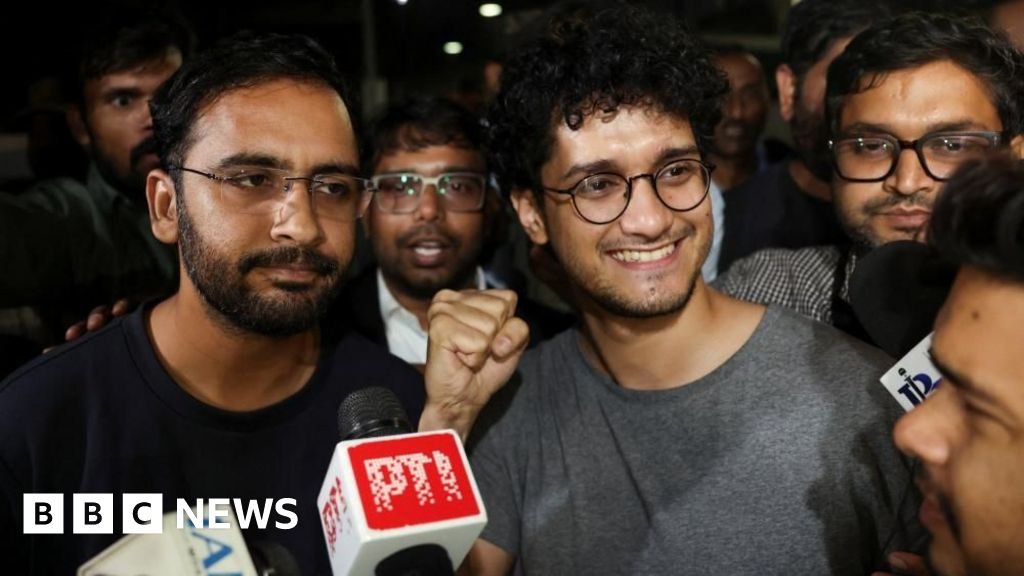
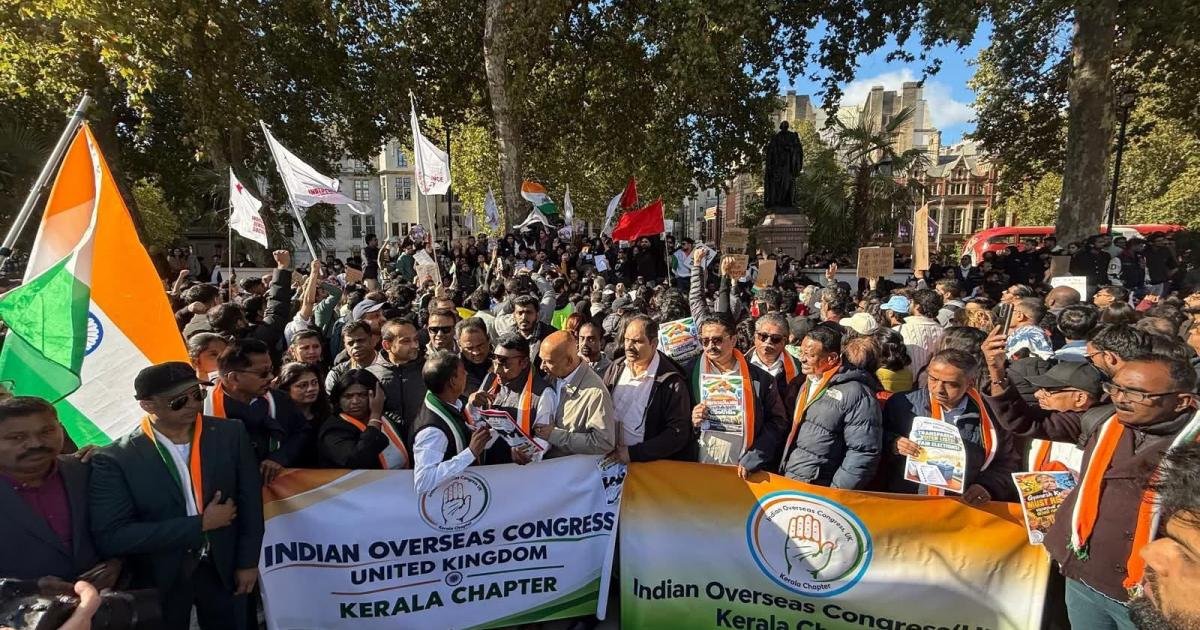
The political landscape in India is witnessing a sharp escalation as the governing coalition moves to discredit a wave of Gen Z-led demonstrations. What began as localized student protests regarding the administration of the nation’s electoral rolls has evolved into a full-scale ideological confrontation. Government leaders, characterizing the unrest as a calculated power grab, are attempting to frame the youth-led movement not as a grassroots cry for transparency, but as a disruptive maneuver by entrenched traditional elites.
A Conflict Over Voter Integrity
The current impasse centers on recent amendments to the electoral registration process. Government officials argue that the reforms—which include stricter identity verification protocols and digitized residency proof—are designed to modernize the electoral roll and prevent fraudulent voting. However, student groups and young activists view these measures as a deliberate attempt to disenfranchise transient populations, particularly students living away from home and first-time voters who may struggle with the increased bureaucratic burden.
As protests erupted across major urban centers, the response from the ruling coalition has been consistent: a narrative of skepticism. Senior spokespersons have suggested that the demonstrators are being used as pawns by established political factions that have lost their grip on power and are now using “youth fervor” as a cover for destabilizing democratic institutions.
The Narrative War
By branding the protest movement as a “power grab by traditional elites,” the government is attempting to decouple Gen Z from their own political agency. This strategy aims to portray the protestors as naive actors manipulated by the “Old Guard” of opposition politics.
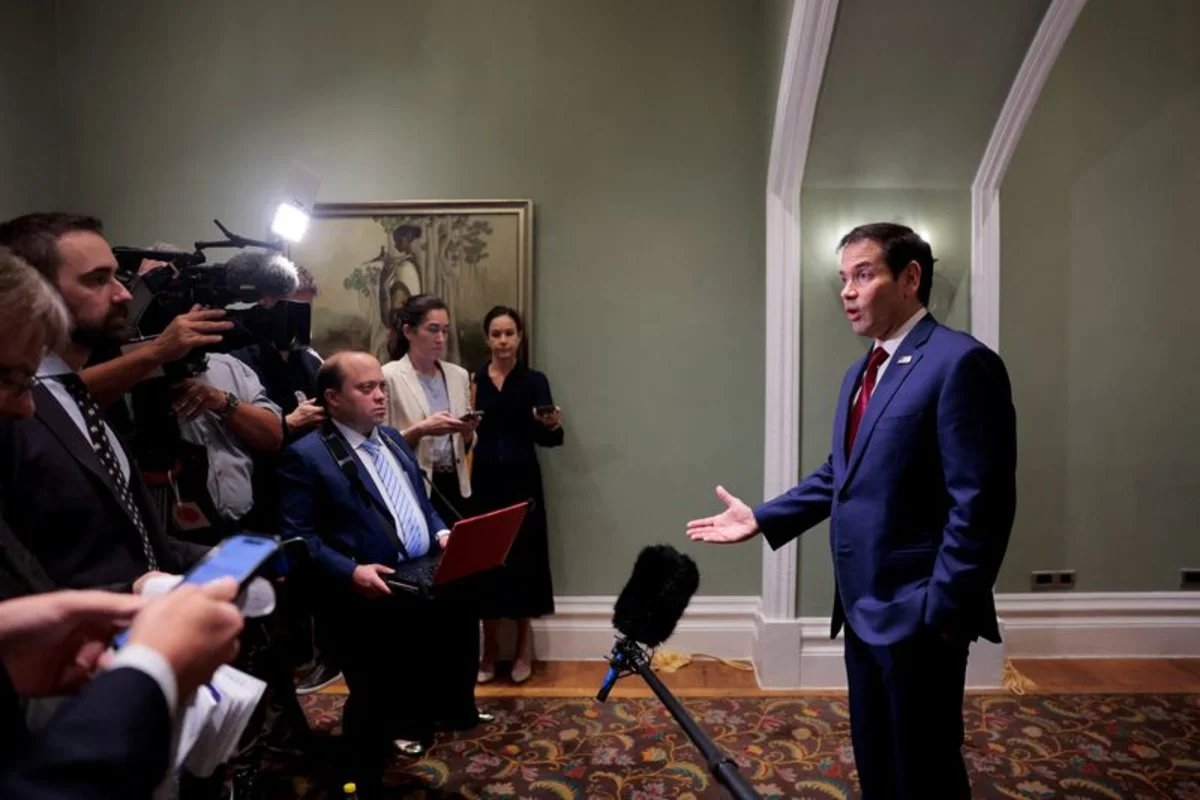
“The youth are being fed a curated narrative of victimhood,” stated a government representative during a recent press briefing. “These demonstrations do not reflect the concerns of an organic student body; they are a rehearsed performance by interests who seek to derail the digital transformation of our democratic processes.”
This framing seeks to polarize public opinion, pitting the perceived “stability and progress” offered by the current administration against what the government describes as “anarchic subversion” favored by political dinosaurs.
Gen Z Pushes Back
For their part, the protestors are dismissing these allegations as a desperate attempt to deflect from legitimate grievances. Activist collectives have been utilizing social media to bypass traditional media narratives, showcasing the diversity of their movement and highlighting the specific logistical hurdles the new voter roll criteria present.
“They want to talk about political elites to distract from the fact that they are making it harder for the average citizen to vote,” says a representative from one of the leading student unions. “This is not about the past or the traditional order; this is about a generation that expects digital-era efficiency and transparency, not exclusionary bureaucracy.”
Looking Ahead: The Stakes for Indian Democracy
The intensity of the rhetoric from both sides suggests that this is not merely a dispute over procedural rules, but a fundamental disagreement over who defines the future of Indian politics. The governing coalition’s decision to elevate the conflict to a matter of “national security” against “elites” indicates they perceive a genuine threat to their electoral strategy.
As the protests continue to gain momentum, the question remains whether the government’s narrative of subversion will resonate with the broader electorate, or if the Gen Z push for electoral accessibility will solidify into a broader, more potent movement for political reform. With general scrutiny intensifying, both the government and the protest groups are digging in for a protracted battle that will define the political discourse for the coming election cycle.
Disclaimer: This content is auto-generated for informational purposes only.
Source: Read Original News