









Historic Environment Scotland (HES), the public body responsible for safeguarding the nation’s most iconic heritage sites, has announced a “voluntary exit scheme” for its staff. The move is being framed by the organisation as a crucial step in a wider “organisational transformation,” intended to ensure that the quango remains sustainable and adaptable amid significant internal and financial pressure.
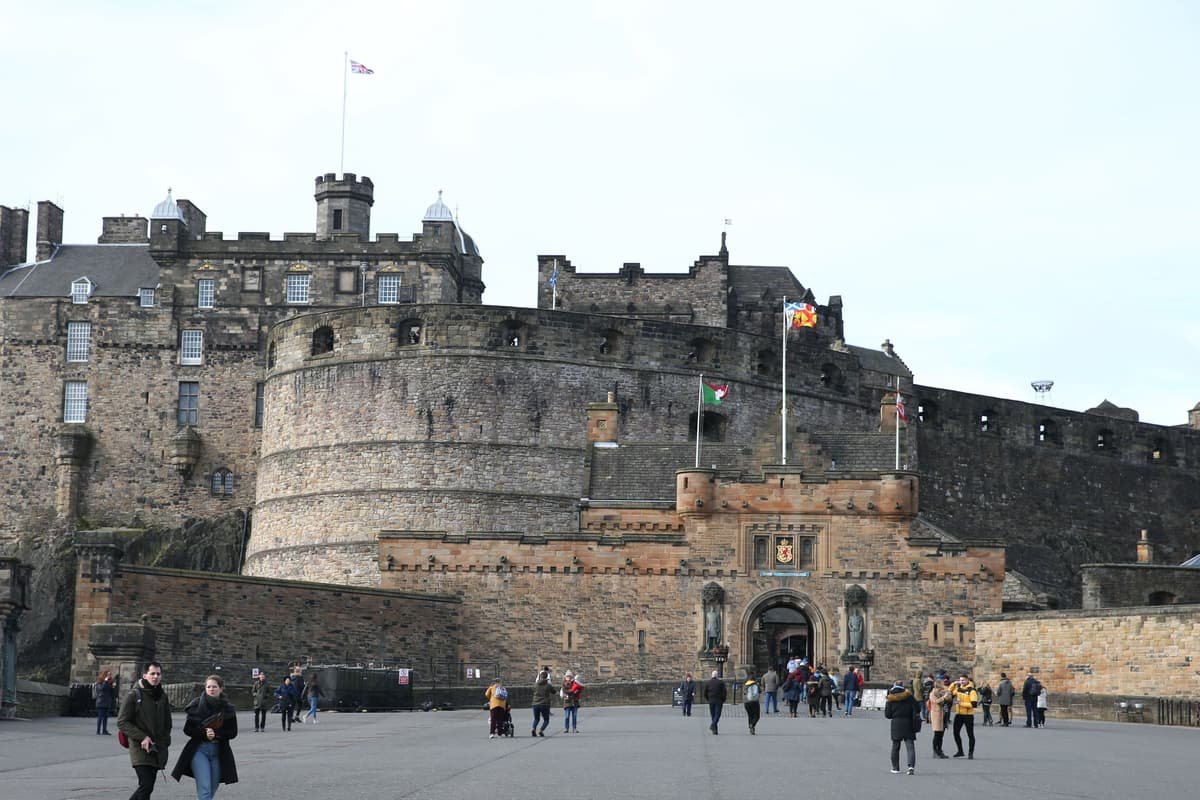
The announcement comes after a period of prolonged instability for the organisation, which receives approximately £70 million in public funding annually to manage hundreds of historic sites, including Edinburgh Castle. HES has been mired in controversy for months, facing a wave of senior departures and damaging allegations regarding its internal governance.
Stephen Uphill, the interim chief executive of HES, stated that the scheme is designed to help the organisation “plan responsibly” for the future. “Historic Environment Scotland has important responsibilities to deliver for Scotland, both now and over the long term,” Uphill said. “As we look to the future, we need to make sure our organisation has the right balance of people, skills and resources focused on the areas where they can have the greatest impact.”
According to the organisation, the exit scheme is entirely voluntary, with no predetermined target for the number of departures. Applications are set to open shortly, with a closing date of November 20. HES management has clarified that approval for any exit is not automatic; all requests will be reviewed against specific scheme criteria, affordability, and the long-term operational needs of the quango.
The restructuring follows a turbulent period that has cast a shadow over the stewardship of Scotland’s heritage. Scandals have ranged from allegations of procurement irregularities and racism to reports of the misuse of HES facilities. Notably, the organisation faced public embarrassment when it was revealed that a former manager was sanctioned for allegedly twerking in front of actor Martin Compston during a corporate event held at Edinburgh Castle.
Leadership volatility has further complicated the situation. In September, Katerina Brown, the chief executive, resigned from her post only months after returning from a suspension. Her departure followed a collective grievance filed by eight directors, who had raised significant concerns regarding her management style and conduct. These internal frictions were underscored by a scathing report published in December 2025 by Auditor General Stephen Boyle, who identified “unacceptable weaknesses” in the leadership of the quango. At the time, Mr. Boyle warned that allegations of a “toxic workplace culture” required urgent and comprehensive investigation.
The pressure for reform is not limited to internal management issues. The Scottish Government is currently navigating a substantial £5 billion fiscal gap, forcing First Minister John Swinney to implement wide-ranging public sector reforms. As a body reliant on taxpayer funding, HES is under intensified scrutiny to demonstrate fiscal responsibility and efficiency.
Whether this voluntary exit scheme will succeed in stabilizing the organisation or merely represent the latest chapter in its ongoing upheaval remains to be seen. For now, the focus remains on whether the quango can “rebalance its workforce” and restore public confidence in its ability to protect the nation’s historic assets. Under the current plans, HES intends for the transformation to ensure the organisation is better aligned with its core priorities, though the success of this strategy will likely be measured by the stability of its future leadership and the professional culture that emerges in the wake of these departures.
Disclaimer: This content is auto-generated for informational purposes only.
Source: Read Original News