








From Campus Protests to Electoral Watchdog: The Meteoric Rise of the CJP
What began as a grassroots outcry over academic integrity has rapidly transformed into one of India’s most potent political pressure groups. The CJP, an informal collective of students and activists, has successfully pivoted from mobilizing thousands against leaked exam papers to challenging the very architecture of the nation’s democratic processes.
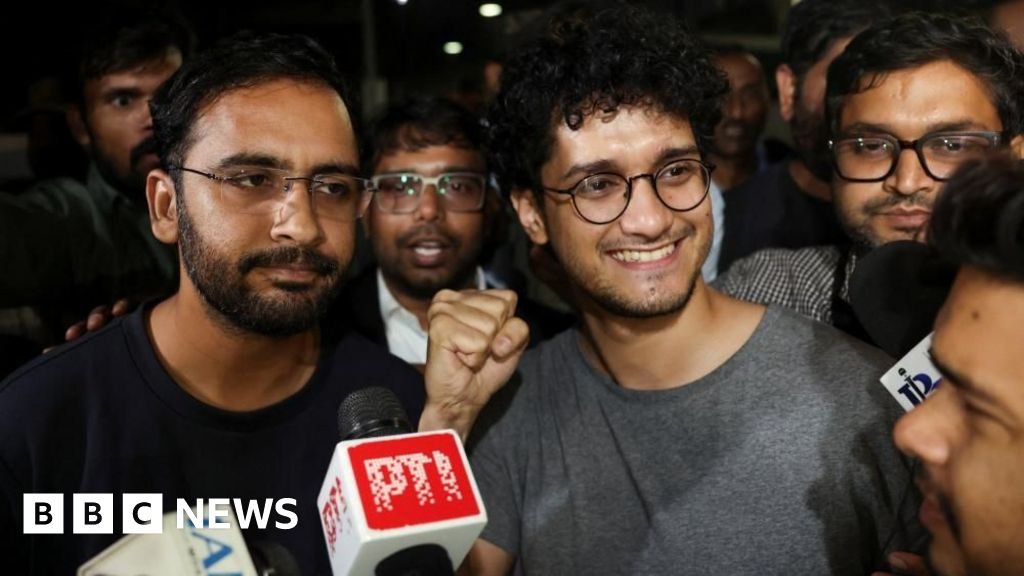
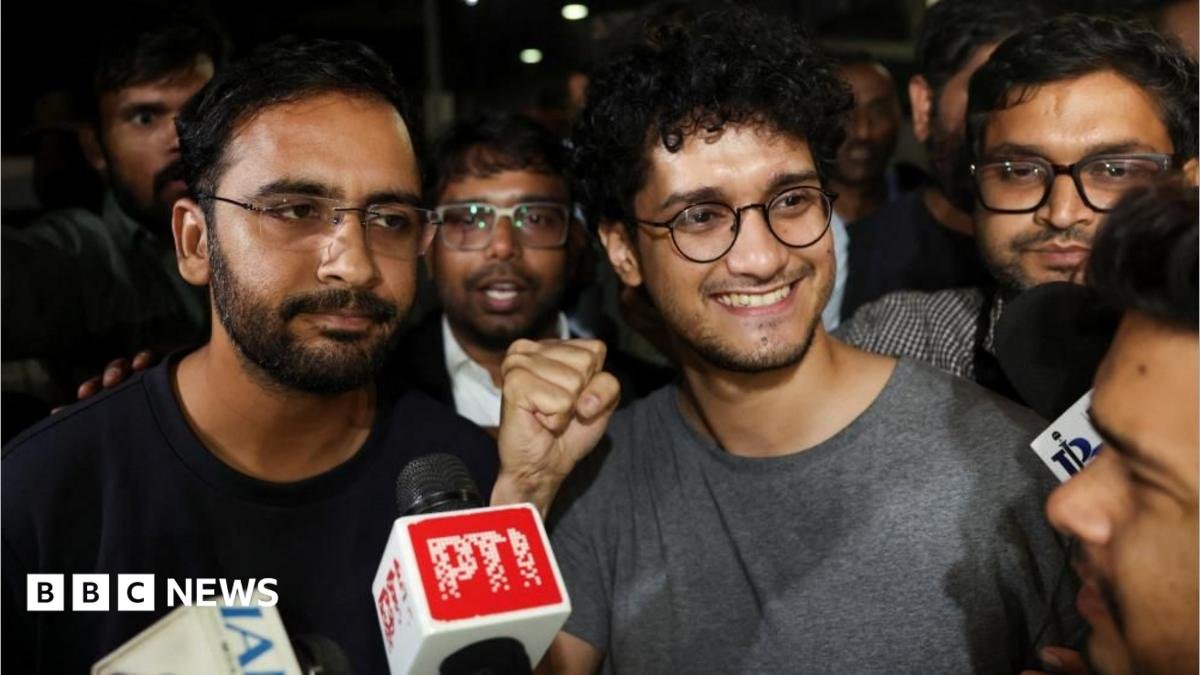
The movement first captured the national consciousness earlier this year, when a wave of student-led protests swept across university campuses. By July, the collective had evolved into a formidable force. A high-stakes march toward the Parliament building, which culminated in tense clashes with law enforcement, served as a turning point. The scale of the unrest and the persistence of the demonstrators created enough political turbulence to force the resignation of the country’s education minister, a rare victory for a group that remains, by its own design, a non-registered entity.
A New Battleground: The Integrity of Voter Rolls
With its initial goal of administrative accountability met, the CJP has shifted its tactical focus toward the integrity of India’s electoral system. In recent weeks, the collective has joined forces with a coalition of opposition parties, student unions, and civil society critics to voice concerns over the Election Commission of India’s (ECI) latest administrative moves.
At the heart of the controversy is the “Special Intensive Revision” (SIR) exercise, overseen by Chief Election Commissioner (CEC) Gyanesh Kumar. The CJP and its allies allege that this sweeping cleanup of the electoral rolls is being manipulated to favor Prime Minister Narendra Modi’s Bharatiya Janata Party (BJP). According to data surrounding the exercise, approximately 130 million names have been purged from voter registers over the past year.
“This is not merely a bureaucratic cleanup; it is a systematic disenfranchisement of the electorate,” a CJP representative claimed. Critics argue that the criteria for removal are opaque, fearing that thousands of eligible voters—particularly those in marginalized or opposition-leaning demographics—may be finding their names erased from the rolls without notice, effectively stripping them of their constitutional right to cast a ballot.
The Election Commission’s Stance
In response to the mounting outcry, both the BJP and the Election Commission have vehemently denied any political bias in the SIR process. The ECI maintains that the massive purge is a standard, routine administrative measure designed to ensure the integrity of the democratic process. According to the Commission, the 130 million deletions consist exclusively of “dead, duplicate, or ineligible” entries, such as those of individuals who have passed away or relocated since the last election cycle.
For the CJP, however, the government’s assurances offer little comfort. The collective argues that the speed and volume of the deletions during a pre-election window demand greater transparency and independent oversight.
As the debate intensifies, the CJP finds itself in a precarious position. By moving from the streets of the capital to the complex legalities of electoral rolls, the collective has signaled that it intends to remain a permanent fixture in India’s political landscape. Whether this momentum can force a change in the Election Commission’s methodology or if it will be dismissed as partisan obstructionism remains the critical question in the lead-up to the next electoral cycle. For now, the CJP has cemented its role as a watchdog, ensuring that every movement within the voting registry is subject to rigorous public scrutiny.
Disclaimer: This content is auto-generated for informational purposes only.
Source: Read Original News