







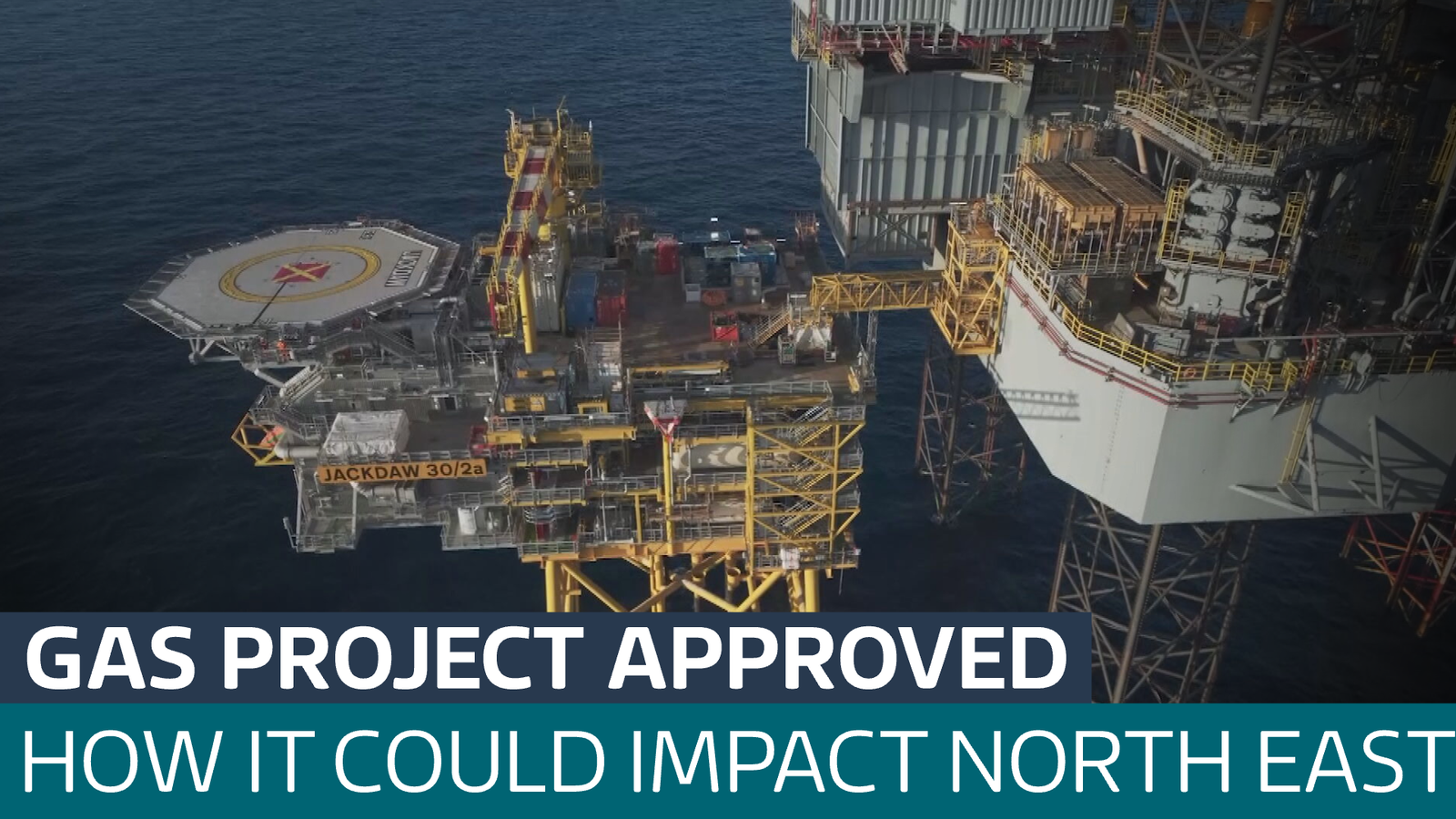
The approval of the Jackdaw gas field, located in the Central North Sea off the coast of Aberdeen, has reignited the intense national debate surrounding the United Kingdom’s energy transition. As the project moves toward development, it serves as a focal point for the competing priorities of economic stability and the urgent need to meet legally binding net-zero climate targets.
The Jackdaw project, operated by Shell, is situated approximately 250 kilometers east of Aberdeen. It is estimated to hold significant reserves of natural gas, which proponents argue will play a crucial role in securing the UK’s energy supply in the wake of volatile global markets. Industry advocates, including representatives from Offshore Energies UK, have consistently championed the development, emphasizing its importance in stabilizing domestic production. According to these supporters, the project is vital for safeguarding tens of thousands of skilled jobs within the North East of Scotland’s energy sector. For a region that has served as the backbone of the UK’s oil and gas infrastructure for decades, the Jackdaw field is viewed as a necessary bridge to maintain employment levels while the transition to renewables continues to gather pace.
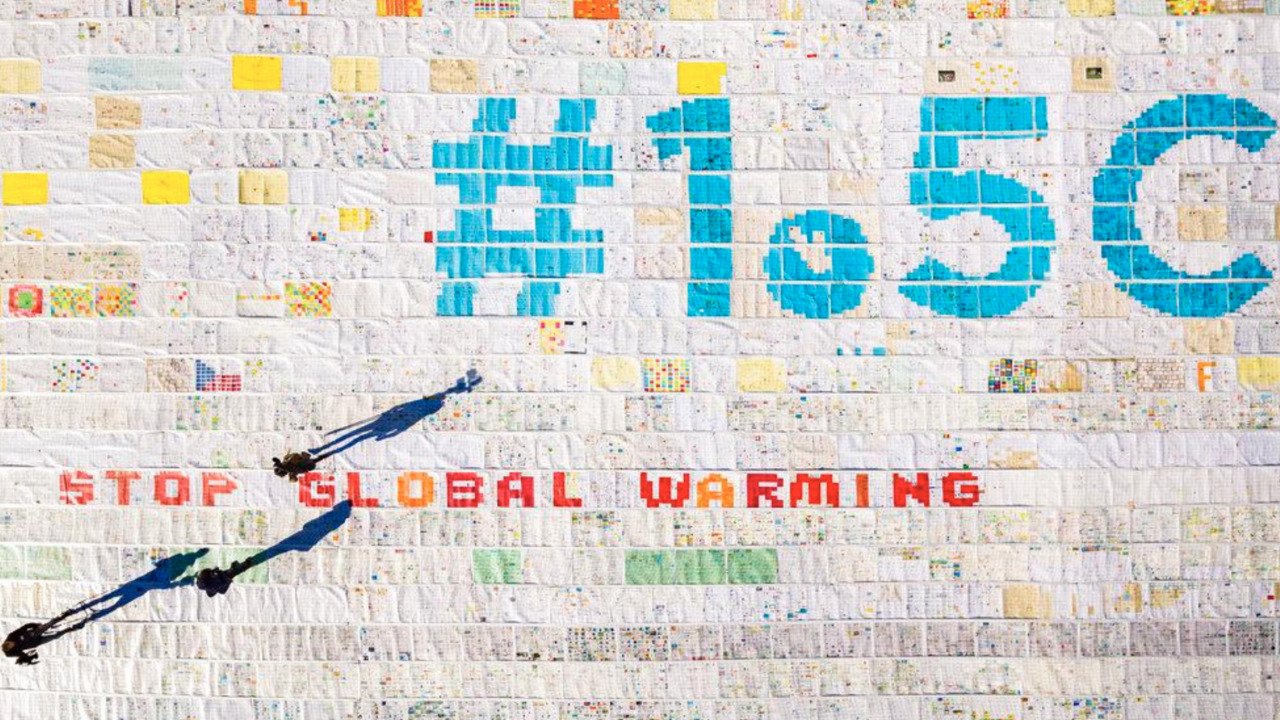
However, the project has faced robust opposition from environmental organizations and climate activists. Critics argue that the approval of new fossil fuel extraction sites is fundamentally incompatible with the UK’s commitment to achieving net-zero emissions by 2050. The core of the argument against Jackdaw rests on the stance taken by the International Energy Agency (IEA), which has previously stated that no new oil and gas fields should be approved if the world is to stay within the limits required to prevent the most catastrophic effects of global warming.
For environmental groups like Greenpeace and Friends of the Earth, the Jackdaw approval represents a missed opportunity to redirect investment toward clean energy alternatives such as offshore wind, hydrogen, and carbon capture technologies. They contend that relying on domestic fossil fuel production does little to lower energy bills for consumers, as the gas extracted is sold at international market rates, and that the long-term environmental cost far outweighs the short-term economic gains.
The government’s position remains a balancing act. Ministers have repeatedly stated that while the UK is committed to phasing out fossil fuels, a “managed transition” is required to ensure energy security. This strategy relies on utilizing domestic gas as a transition fuel to prevent a sudden dependency on international imports, which have proven increasingly unreliable due to geopolitical conflicts. By maintaining North Sea production, the government argues it can preserve the engineering expertise and supply chains necessary to eventually pivot toward a green economy.
The Jackdaw development is expected to produce enough gas to meet the requirements of millions of UK households, contributing to a total domestic supply profile that the government insists is cleaner than importing liquefied natural gas (LNG) from overseas. Yet, this narrative of a “cleaner” bridge is contested by climate scientists, who point to the significant methane leakage risks associated with North Sea infrastructure and the long-term carbon output of the field.
As the industry prepares for the next phases of infrastructure deployment at the Jackdaw site, the project stands as a microcosm of the global climate dilemma. It encapsulates the tension between the immediate economic necessity of preserving industrial hubs and the existential requirement to decarbonize the energy system. Whether the Jackdaw project is viewed as a pragmatic safeguard for energy sovereignty or a regressive step for the climate, its progression marks a significant chapter in the ongoing narrative of the North Sea’s evolution in a warming world. For now, all eyes remain on the Aberdeen coastline, where the future of the UK’s energy identity is being actively contested.
Disclaimer: This content is auto-generated for informational purposes only.
Source: Read Original News