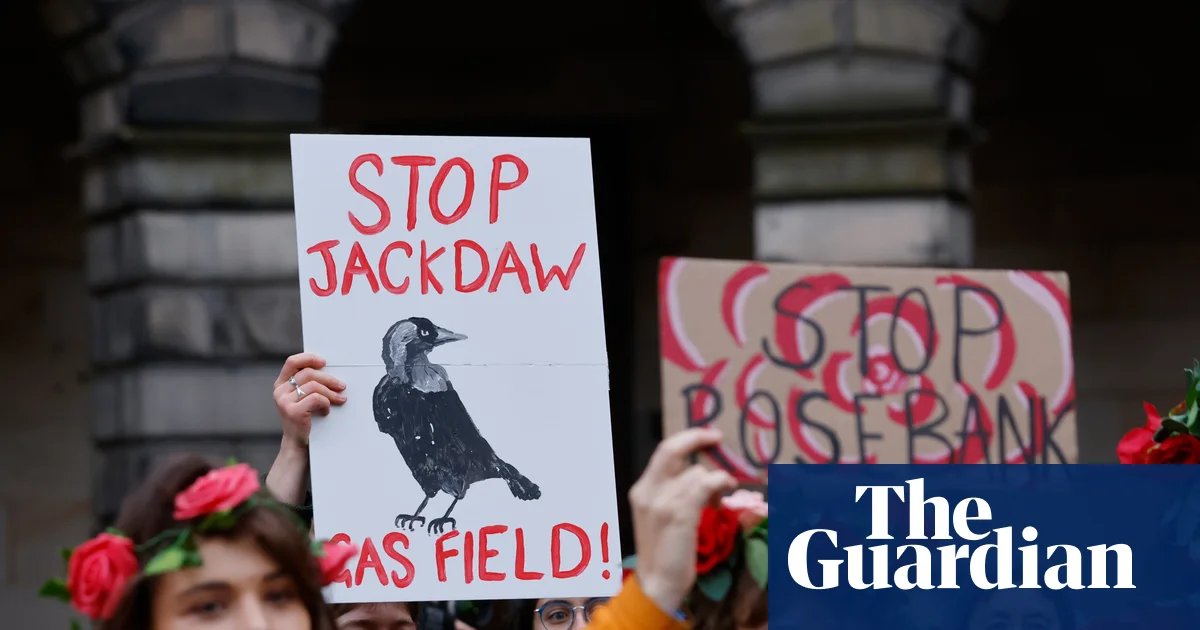









The UK government announced on Wednesday its intention to greenlight drilling operations at the Jackdaw gas field, a controversial project located 240 kilometres east of Aberdeen, Scotland. The decision marks a significant development in the nation’s energy policy, reigniting the intense debate between immediate energy security concerns and long-term climate commitments.
The Jackdaw field, which has long been a flashpoint for environmental advocacy groups, is now set to move forward as the government attempts to buffer the country against the volatility caused by the ongoing war in Iran. Prime Minister Andy Burnham defended the move, framing it as a necessary measure to stabilize the economy and support households facing rising costs.
“At a time when people are really struggling, it’s right that we look in a responsible way at maximising the existing energy reserves we have in Britain that could help,” Prime Minister Burnham stated during the announcement. He further clarified the government’s dual-track approach, adding, “We’re committed to moving towards renewable energy and reaching net zero by 2050. But even on our ambitious climate path, we’ll still require oil and gas as part of our energy needs for decades to come.”
The approval has been met with enthusiasm from energy industry groups, who argue that domestic production is crucial for maintaining a reliable supply chain. However, the decision has drawn sharp rebuke from environmental organizations and opposition political figures.
Critics contend that the government is prioritizing short-term political optics over scientific reality. Zack Polanski, leader of the Green Party, labeled the approval “climate vandalism,” arguing that the project is incompatible with the UK’s international climate obligations. This sentiment was echoed by Greenpeace, with head of politics Ami McCarthy suggesting the move highlights the “toxic grip” fossil fuel lobbyists continue to exert on national energy policy.
“True pragmatism means severing our reliance on expensive oil and gas that leaves British households broke, supercharges extreme weather, and leaves our energy security at the mercy of petrostates,” McCarthy said in a statement following the announcement.
Beyond the environmental impact, some analysts have questioned the economic logic of the decision. Critics argue that increasing North Sea production will have a negligible effect on household energy bills. Because oil and gas prices are determined by global market fluctuations, experts point out that local extraction does not necessarily translate into lower costs for the British consumer.
The legal landscape surrounding the Jackdaw field remains complex. A Scottish court ruled last year that previous regulatory approvals for both Jackdaw and the Rosebank project—the latter containing the UK’s largest untapped oil reserves—were unlawful. The court found that the government had failed to properly account for the indirect carbon emissions resulting from the burning of these fossil fuels. While the government is now pushing forward with Jackdaw, the future of the Rosebank field remains under review.
As the UK navigates the tension between the immediate demands of energy security and the imperative of the 2050 net-zero target, the Jackdaw approval signals that the government is prepared to face prolonged legal and public scrutiny. Whether this project—and the potential future approval of Rosebank—will satisfy the public’s need for affordable energy while meeting international environmental standards remains the central, unresolved question of British energy policy.
Disclaimer: This content is auto-generated for informational purposes only.
Source: Read Original News