








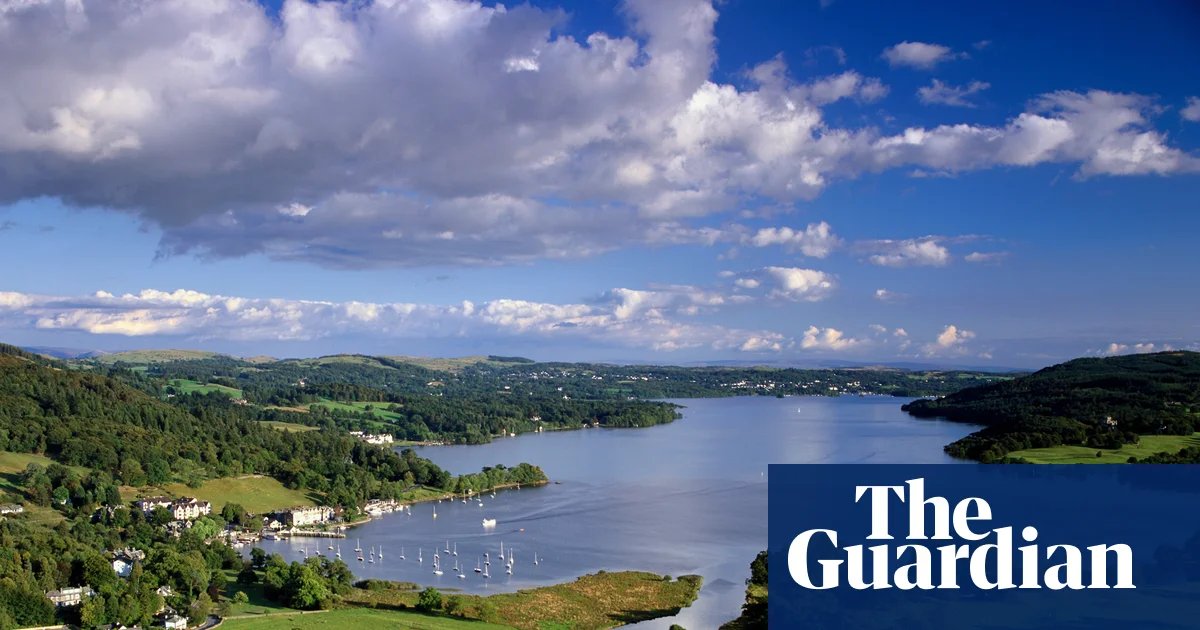
Plans are underway for a monumental engineering project aimed at rescuing Windermere, England’s largest and most iconic lake, from the blight of chronic sewage pollution. A newly proposed 12-mile (19km) tunnel, designed to bypass the lake’s catchment area, seeks to put an end to the regular discharges that have marred the health of the Unesco world heritage site for years.
Windermere has long been a victim of systemic infrastructure failures, with widespread raw sewage and bacterial pollution resulting from frequent discharges by United Utilities. These incidents have fueled the growth of toxic blue-green algal blooms, forcing public health officials to regularly warn visitors against swimming in the lake’s waters. As the climate crisis accelerates, modelling suggests the situation will only deteriorate; the region is expected to face more intense rainfall, which places extreme, unmanageable pressure on existing, outdated wastewater systems.
A collaborative vision to resolve the crisis has now emerged, bringing together United Utilities, the Environment Agency, and local campaigners. The proposed project involves the construction of a deep-bore tunnel that would transport sewage away from the lake entirely, with treated effluent ultimately discharged into either the River Leven or the Irish Sea at Ulverston. According to the water utility company, the use of advanced tunnelling techniques will allow for the necessary infrastructure to be installed while minimizing disruption to the local communities and the fragile Lake District landscape.
The ambition comes with a significant price tag of £3.6bn. To fund the project, United Utilities intends to seek government permission to raise customer bills, a move estimated to add up to £3.17 per month to water bills starting in 2035. While the cost is substantial, proponents view it as a necessary “one and done” solution that would yield immediate, transformative benefits for the lake’s water quality.
The project is now entering a two-year detailed design phase, where engineers will finalize the technical specifications. If regulatory and funding hurdles are cleared, officials estimate that construction could be completed within seven years.
For Matt Staniek, a prominent campaigner with the group Save Windermere, the proposal represents the culmination of 15 months of intensive weekly meetings. Having spent more than five years advocating for the end of sewage dumping, Staniek admitted he was initially skeptical about partnering with the very company responsible for the pollution. Ultimately, however, he concluded that a collaborative approach was the only viable path to progress.
“This has demonstrated that it is possible not to dump sewage in Lake Windermere,” Staniek said.
In developing the proposal, the project team looked to the success of Lake Annecy in France as a primary blueprint. Facing similar degradation in the 1950s, Annecy authorities invested in long-term infrastructure to divert sewage, successfully transforming it into one of the cleanest lakes in Europe.
As the proposal moves into the spotlight, the focus now shifts to the national government. For campaigners, the plan serves as a definitive roadmap for ecological recovery. “The plan is there; it’s in place,” Staniek added. “We’re not going to stop until the authorities are on the shores of Lake Windermere announcing that the construction has begun.”
Disclaimer: This content is auto-generated for informational purposes only.
Source: Read Original News