







The Secret to Turning Your Garden into a Winter Sanctuary
As the days grow shorter and the air turns crisp, most of us begin to retreat indoors, reaching for thick blankets and hot cups of tea. However, your outdoor space doesn’t have to go quiet just because the frost has arrived. In fact, the colder months are the perfect time to turn your backyard into a bustling hub of activity. Bird experts have highlighted a simple yet effective way to welcome some of nature’s most charming visitors—goldfinches and robins—right to your doorstep. By making a few small adjustments to your landscape, you can ensure your home remains a lively, natural retreat throughout the winter.
The Power of Planting Holly
If you want to create an irresistible pull for feathered guests, the answer lies in one classic, festive plant: the holly shrub. Beyond its decorative appeal and association with the holidays, holly serves a practical purpose for local wildlife. It acts as an incredible natural shelter, providing thick, sturdy branches where small birds can hide from biting winds and heavy rain.
When the temperature drops, holly bushes become a literal lifesaver for goldfinches and robins. They offer a dual benefit of protection and nourishment, as the dense leaves provide safety from predators while the bright red berries serve as a reliable food source when other supplies run low. Adding a holly shrub to your garden is a long-term investment in your backyard ecosystem that pays off year after year.
Tailoring Your Menu for Different Needs
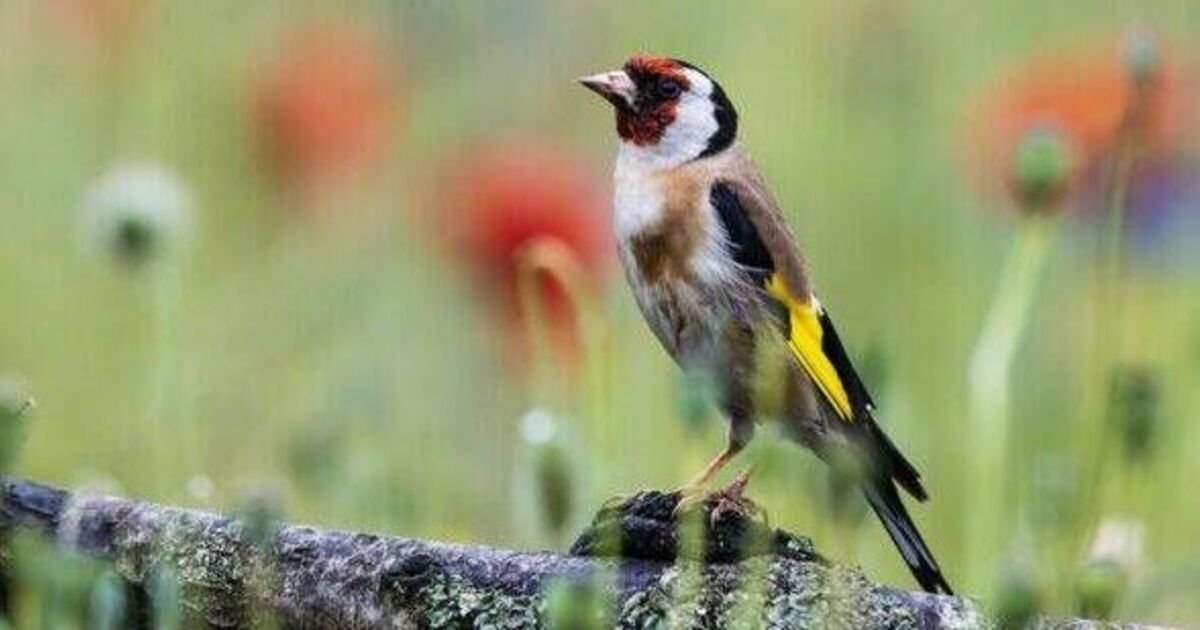
Feeding birds is about more than just throwing crumbs on the lawn; it is about understanding what different species crave to maintain their body heat. Goldfinches, with their striking red faces and energetic personalities, require high-fat fuel to get through long, dark nights. They have a particular fondness for nyjer seeds and sunflower hearts. To get the best results, try placing a dedicated nyjer feeder in a quiet, sheltered corner of your yard.
Robins, meanwhile, operate with a different set of rules. These birds are known for their territorial nature and prefer to do their foraging closer to the ground rather than at a hanging feeder. Because they are omnivores, they appreciate a varied diet. During those particularly chilly spells when insects become scarce, offering them mealworms, suet, and crushed peanuts can make a world of difference. Providing these specific items ensures that both the high-flying goldfinches and the ground-dwelling robins find exactly what they need to thrive.
Maintaining a Healthy Feeding Environment
Consistency is the key to keeping your garden visitors coming back. Once you start a feeding routine, birds will begin to rely on your space as a dependable source of sustenance. However, with that responsibility comes a need for cleanliness. Throughout the autumn and winter, it is vital to keep your feeders clean. Scrubbing them down weekly helps prevent the spread of diseases among your local bird population.
Think of your feeders much like your own kitchen—keeping things tidy ensures that the birds remain healthy and eager to return. If you notice the seed sitting for too long or if the feeder looks grimy, it is time for a quick rinse and scrub. A clean station keeps the experience pleasant for the birds and keeps the wildlife coming back day after day.
Enjoying the Winter Wildlife
There is something deeply satisfying about watching a flurry of activity just outside your window while you remain cozy and warm inside. The presence of robins and goldfinches adds a splash of color and song to the greyest days of the year. By planting holly for shelter and providing the right nutrients in a clean environment, you are doing more than just feeding birds; you are creating a reliable haven that makes the winter months feel a little less lonely.
Take a moment this weekend to survey your garden. Whether you have a vast lawn or a modest balcony, you have the capacity to host these winged neighbors. With a little foresight and a handful of sunflower hearts, you can transform your outdoor area into the most popular spot in the neighborhood. So, grab your binoculars, set out your feeders, and enjoy the show that nature provides right in your own backyard.
Disclaimer: This content is auto-generated for informational purposes only.
Source: Read Original News