









LONDON — The United Kingdom’s economic recovery has hit a significant speed bump as inflation surged to a near-year-high in September, fueled by escalating geopolitical tensions in the Middle East. Official data released Wednesday by the Office for National Statistics (ONS) confirms that consumer prices rose 3.5% over the 12-month period, comfortably outpacing the 3.4% forecast predicted by most economists.
This latest jump, rising from 3.1% in August, places additional pressure on the Bank of England to pivot its monetary policy. With inflation now drifting further from the bank’s 2% target, market analysts are nearly unanimous in their belief that interest rates will see an upward adjustment at the next meeting on November 5.
## The Fuel Crisis and Global Supply Chain Bottlenecks
The primary driver behind this inflationary spike is the transport sector, specifically the exorbitant cost of motor fuel, which surged by 30% compared to the previous year. This volatility is directly linked to the ongoing conflict involving Iran and the resulting disruption of shipping routes in the Strait of Hormuz.
These bottlenecks have strangled global energy supplies, creating a ripple effect that is being felt at the pump across Britain. Before the escalation of military actions in late February—which involved the U.S. and Israel—the U.K. had been enjoying a steady decline from 15-year interest rate highs of 5.25%. That downward trend has now been decisively reversed, with the current rate sitting at 3.75%.
## Economic Forecasting and AI Integration
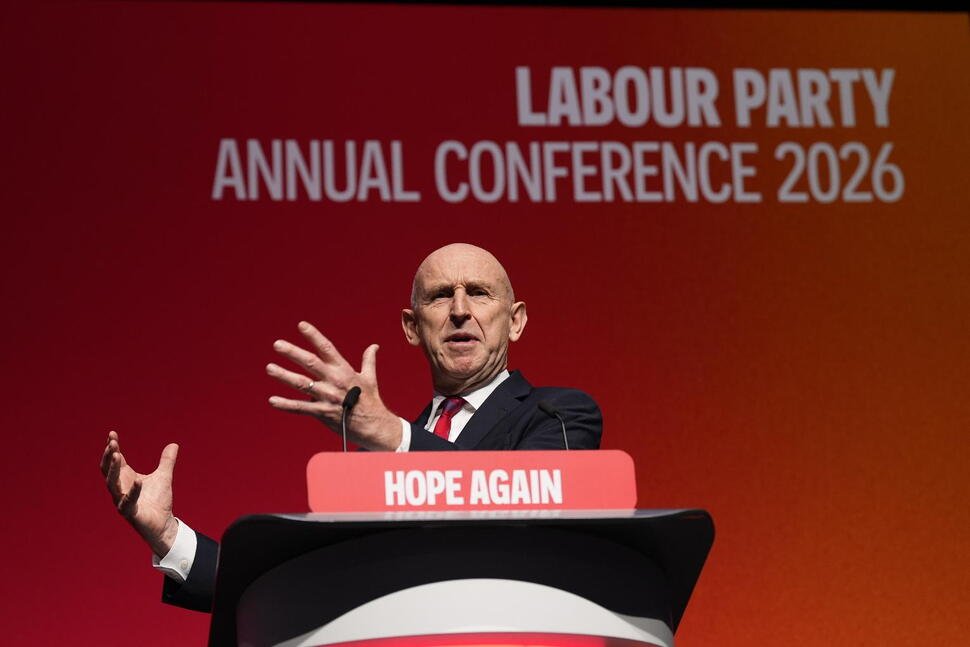
As Treasury chief John Healey prepares for next week’s budget announcement, his office is under pressure to provide relief for both businesses and households. Beyond traditional fiscal measures, the Treasury is increasingly turning to sophisticated AI-driven economic modeling tools. Similar to how Google integrates predictive data into platforms like Google Finance and Search to help users track market fluctuations, U.K. economic advisers are utilizing advanced algorithms to simulate how potential tax adjustments might impact the cost of living under varying geopolitical scenarios.
These AI tools are becoming essential for the Treasury to “find breathing space” for the public. By analyzing real-time data from global supply chains and correlating them with local energy consumption patterns, policymakers are attempting to build more resilient economic forecasts that can survive the volatile shifts caused by energy price shocks.
## Market Outlook: Heading Toward a November Hike
The consensus among experts, including Suren Thiru of the ICAEW, is that the current economic indicators leave the Bank of England with little choice. “With inflation increasing, the pieces are falling firmly into place for a November rate rise,” Thiru noted.
While the Bank of England opted to hold rates at 3.75% during their last gathering, the tone of their communications suggested a “wait-and-see” approach that has now expired. The shift in inflation metrics has essentially forced the hands of policymakers.
As the government prepares its upcoming financial statement, the intersection of tech-enabled economic analysis and harsh geopolitical realities remains the defining narrative of the U.K. economy. While the government aims to buffer the impact on citizens, the broader financial outlook remains tethered to the stability of energy markets in the Middle East and the Bank of England’s commitment to curbing the cost of living through aggressive monetary tightening. Investors and families alike are now bracing for what many believe will be a pivotal November announcement.
Disclaimer: This content is auto-generated for informational purposes only.
Source: Read Original News