








The Resilience of Global Energy Logistics
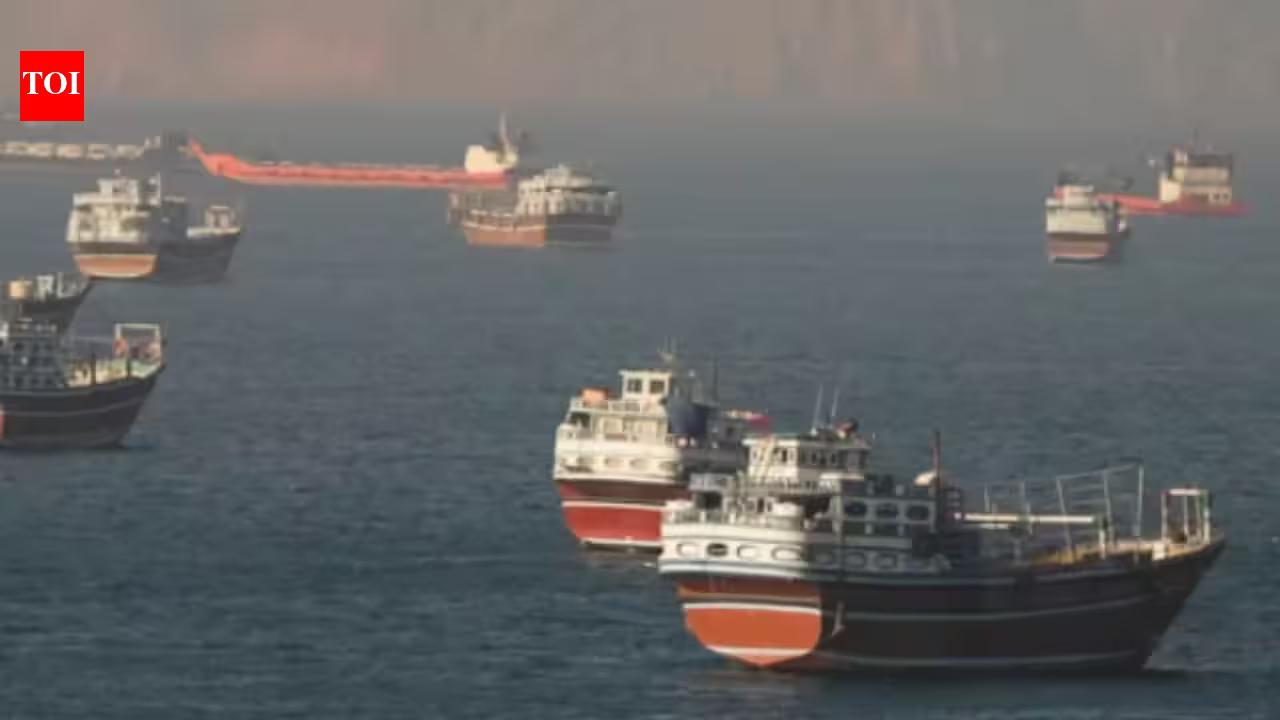
The global energy landscape is currently undergoing a stress test of historic proportions. Despite escalating geopolitical volatility and frequent physical attacks on maritime infrastructure, crude oil exports from the Persian Gulf have staged a remarkable recovery. Data from ship-tracking firm Kpler indicates that regional oil flows have surpassed prewar averages, exceeding 24 million barrels per day. This surge, occurring despite the persistent threat posed by hostile actors in the Strait of Hormuz, reveals a sophisticated adaptation strategy by the global shipping industry, backed by protective naval corridors and a recalibrated risk appetite.
This phenomenon highlights a critical shift in how global supply chains respond to conflict. Rather than succumbing to blockades or maritime intimidation, the energy industry has institutionalized a high-risk, high-reward model. By deploying improvised shipping techniques—such as offshore transfers in the Gulf of Oman and the deliberate utilization of alternative transit routes—exporters have effectively managed to keep the taps open. This resilience is not merely a product of necessity but a reflection of the significant financial incentives currently available in the commodities market.
Economic Drivers Behind High-Risk Navigation
The decision to navigate through dangerous waters is rarely motivated by geopolitical altruism; it is fundamentally driven by the arithmetic of profitability. As the threat environment has intensified, so too have the potential margins for traders. Reports suggest that traders moving Iraqi crude can secure premiums significantly higher than those seen in more stable periods. When a single supertanker carries two million barrels of oil, a marginal increase of twenty dollars per barrel translates into millions of dollars in additional revenue per voyage.
These massive potential returns provide the necessary capital to absorb the burgeoning costs of maritime security. Shipowners, facing extreme danger, are now compensating crew members at unprecedented rates. Reports of specialized staffing companies offering as much as $25,000 for a short round trip underscore the severity of the situation and the lengths to which stakeholders will go to maintain supply flow. Furthermore, the industry has become adept at utilizing security corridors, where US air cover provides a degree of protection, allowing tankers to traverse vulnerable zones while adopting stealth measures such as disabling tracking signals to minimize visibility.
The Shift Toward Pipeline Bypass Strategies
While the Strait of Hormuz remains a critical artery for global oil, the vulnerability of the passage has accelerated the adoption of land-based alternatives. Exporters in Saudi Arabia and the United Arab Emirates have increasingly relied on massive pipeline networks that transit directly to regional coasts, bypassing the bottleneck of the strait entirely. In September alone, nearly 40% of non-Iranian crude exported from the Gulf utilized routes that circumvented the traditional maritime corridor, a sharp increase from the 17% observed before the current conflict.
This strategic pivot serves as a structural buffer against regional instability. By diversifying transit modes, Gulf producers are effectively neutralizing the leverage that hostile actors once held over their primary export routes. This diversification has profound implications for long-term energy security. While the maritime route through the Strait remains vital, the growing infrastructure for pipeline transport ensures that regional producers are no longer tethered to a single, high-risk maritime chokepoint. This infrastructure investment represents a permanent change in how energy flows are managed, prioritizing geographic flexibility over the speed or cost-efficiency of traditional sea lanes.
Implications for the Indian Energy Market
For a nation like India, which imports over 80% of its crude oil requirements, the stability of Middle Eastern supply flows is a matter of macroeconomic survival. The current situation in the Persian Gulf serves as both a source of anxiety and a case study in supply chain adaptability. India’s refinery sector is heavily dependent on Gulf crude, and any sustained disruption at the Strait of Hormuz would typically spell disaster for the country’s current account deficit and inflationary pressures.
However, the fact that volumes have remained high suggests that the immediate risk of a total supply cutoff has diminished. For Indian policy planners and energy corporations, the challenge has transitioned from securing volume to managing volatility. As freight costs and war-risk insurance premiums climb—now reaching as much as 10% of a vessel’s total value—the landing cost of crude in Indian ports increases significantly. This necessitates a more strategic approach to oil procurement, potentially involving more aggressive utilization of the Strategic Petroleum Reserve (SPR) to buffer against price shocks and a greater push toward diversifying import sources beyond the Persian Gulf to mitigate concentration risk.
The Sustainability of the Current Equilibrium
Despite the current ability of the market to absorb shocks, the reliance on high-risk shipping is not a permanent state of equilibrium. The rising cost of transport is fundamentally altering the commodity market, shifting the focus from crude supply shortages to the high cost of logistics. This has direct consequences for global inflation, as energy prices permeate through the entire cost structure of finished goods.
Furthermore, the persistent attacks—such as the recent assault on the “Loyalty” supertanker—serve as constant reminders that the system is operating on thin margins of error. Iran’s diminishing ability to dictate flow has led to a more unpredictable tactical environment, where localized attacks are frequent, even if they fail to halt the broader movement of cargo. As global inventories continue to thin, the capacity for the market to absorb further disruptions is limited. Should the conflict intensify beyond the current levels, the insurance markets, which are already factoring in massive risk, could reach a breaking point, potentially forcing a reduction in shipping activity regardless of the profit incentives.
Ultimately, the current state of affairs is a testament to the tenacity of global trade. The international energy sector has proven that it can effectively manage high-risk environments through technological adaptation, financial incentives, and infrastructural investment. Yet, the persistent upward trajectory of Brent crude prices and the escalating costs of maritime insurance suggest that the market is operating under severe duress. For India and other major energy consumers, the stability of this system depends entirely on the fragile security environment of the Gulf, which remains the single most important variable in the global economic equation for the foreseeable future.
Disclaimer: This content is auto-generated for informational purposes only.
Source: Read Original News