







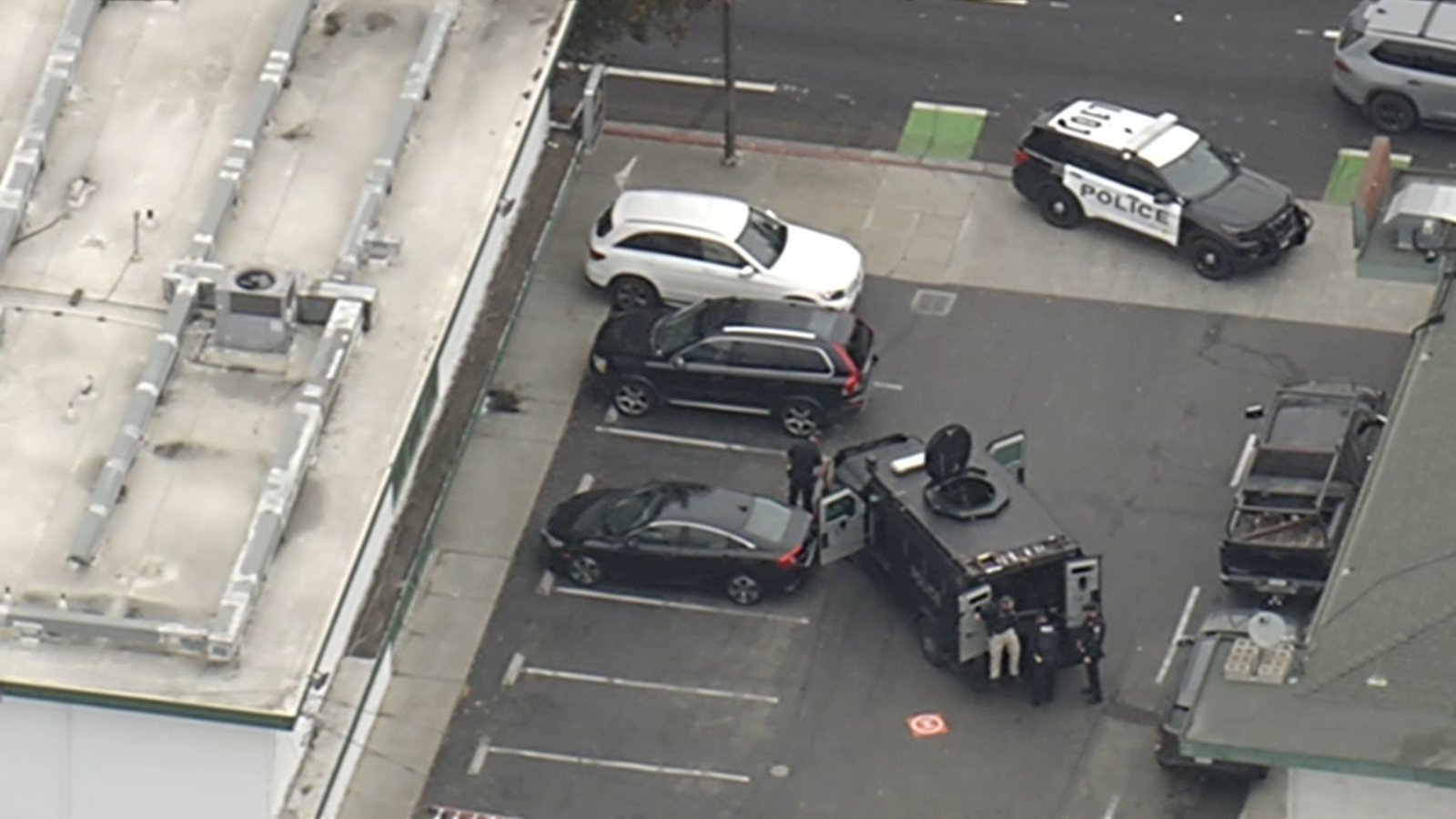
LIVERMORE, Calif. — Authorities in Livermore are currently engaged in a high-stakes standoff following a domestic violence call that escalated into a barricaded suspect situation on Wednesday. The Livermore Police Department confirmed that officers arrived at a business near the intersection of Fourth Street and South Livermore Avenue shortly before noon, finding a suspect who is reportedly armed and refusing to exit the premises.
The area remains under a heavy police cordon as negotiators work to establish a line of communication with the individual inside. While law enforcement continues to prioritize a peaceful resolution, the incident has caused significant disruptions to local traffic, and residents are being urged to steer clear of the immediate vicinity until further notice.
## Integrating Real-Time Safety Tech into Modern Policing
The management of this unfolding event underscores the increasing role that digital safety infrastructure plays in contemporary urban environments. As police departments across the nation refine their response tactics, the utilization of real-time data platforms has become essential for public communication.
Platforms such as the ABC7 Neighborhood Safety Tracker have become indispensable tools for Bay Area residents looking to stay informed about active emergencies. By leveraging geofencing and real-time mapping, these digital tools allow citizens to visualize crime trends and incident updates as they happen. This shift toward “smart” community awareness mirrors broader trends in the tech industry, where companies are increasingly prioritizing the democratization of safety data to help residents make informed decisions about their daily routines.
## The Role of AI in Crisis Response and Predictive Modeling
While the Livermore standoff relies on traditional negotiation tactics, the broader law enforcement landscape is rapidly integrating artificial intelligence to handle such incidents. Tech companies are currently developing AI-driven predictive modeling software capable of analyzing vast datasets—including historical call logs, social media patterns, and environmental sensors—to help first responders anticipate the escalation of domestic disturbances before they turn volatile.
Beyond tactical support, AI is also being deployed in communication centers to process emergency calls more efficiently. By utilizing natural language processing, dispatchers can prioritize incidents based on threat levels, ensuring that officers are alerted to specific dangers, such as the presence of a firearm, the moment a report is verified. These advancements are slowly transforming how agencies allocate resources during critical incidents like the one currently taking place in Livermore.
## Future Tech and the Digital Safety Ecosystem
As the public continues to rely on high-speed internet and mobile applications to track breaking news, the ecosystem of digital safety is expanding. Major tech players, including Google, have integrated sophisticated alert systems into their mobile platforms, pushing verified information about local emergencies directly to smartphones.
These updates are not merely about news delivery; they represent a convergence of public safety and personal computing. As we look toward the future, the integration of real-time sensory data and smart-city infrastructure—such as traffic cameras and IoT-connected safety devices—will likely provide law enforcement with an even more granular view of urban crises. For now, however, the priority in Livermore remains the human element: the negotiators working to ensure that this barricade situation concludes safely for all parties involved.
As this story continues to develop, local officials are expected to provide updates through official channels and digital news interfaces. Residents are encouraged to monitor local law enforcement alerts and avoid the downtown Livermore sector until the scene is officially cleared.
Disclaimer: This content is auto-generated for informational purposes only.
Source: Read Original News