









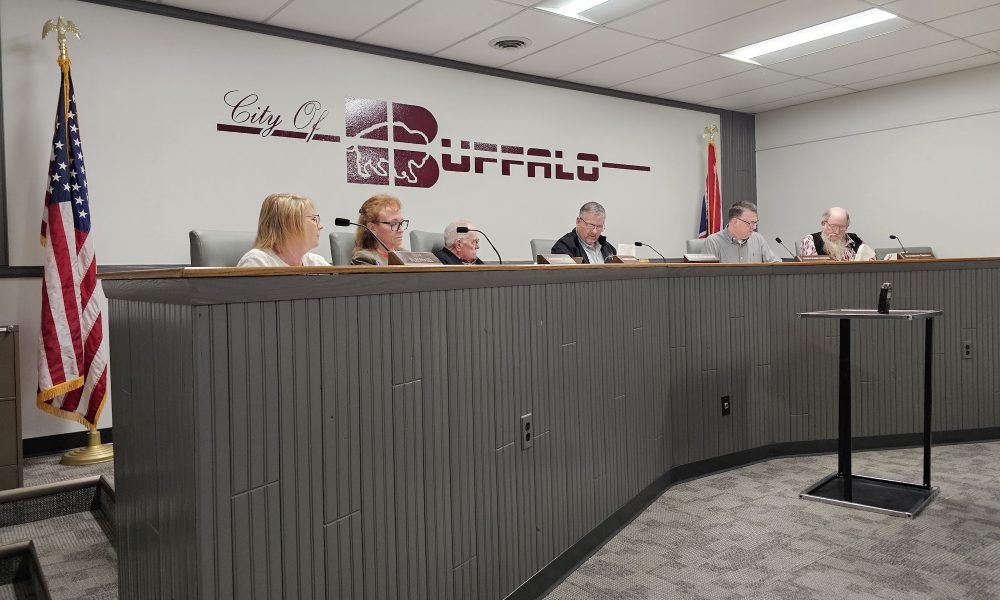
Buffalo’s City Council took significant steps toward expanding the local economic footprint this week, addressing two key land acquisition proposals within the Buffalo Business Park. The council’s decisions highlight the delicate balance municipal governments must strike when managing urban development, property transactions, and legal oversight.
## Advancing Industrial Growth: Block 1, Lot 1
The primary item on the council’s agenda involved a pending offer for Block 1, Lot 1 in the Buffalo Business Park. Recognizing the potential for development, council members reviewed the proposal and determined that while the core of the offer was sound, minor adjustments were necessary to better align with the city’s long-term economic objectives.
Rather than rejecting the proposal outright, the council opted to issue a strategic counter-offer. This move ensures that the city maintains favorable terms while keeping the momentum of the negotiation alive. By approving this counter-offer, the council demonstrated its commitment to streamlining business expansion in the area, signaling to potential investors that Buffalo is open for growth, provided the terms reflect the community’s best interests.
## Due Diligence and Legal Oversight: The Case of Block 2, Lot 2
The second proposal, concerning Block 2, Lot 2, prompted a more cautious response from the city leadership. Councilwoman Myra Camino initiated a motion regarding the offer, which ultimately led the council to pause the decision-making process.
Rather than rushing into an agreement, the council voted to table the motion until their next scheduled meeting on November 3. This delay is not an indication of rejection, but rather a deliberate exercise in due diligence. By sending the offer to the city’s legal department for a comprehensive review, the council ensures that all contractual language is ironclad and that no long-term liabilities are overlooked. This rigorous approach underscores the importance of municipal transparency, ensuring that when public land is transferred to private or commercial interests, every “i” is dotted and every “t” is crossed.
## Tech-Driven Urban Planning in the Modern Era
While the City Council’s work remains grounded in traditional local governance, the context in which they operate is increasingly influenced by the digital transformation of municipal management. As cities like Buffalo look to attract modern businesses, they must leverage sophisticated data analytics and AI-driven urban planning tools.
Modern municipalities are increasingly turning to software suites like Google Cloud for Government, which provides the scalable infrastructure necessary to manage complex datasets—such as land records, zoning maps, and economic impact reports. With the integration of AI-powered analytics, city planners can now better predict the infrastructure requirements of business parks, including traffic patterns, energy demand, and utility expansion.
Furthermore, the shift toward digitized, AI-assisted contract review is becoming standard practice. Just as Buffalo’s council relies on its legal team to dissect property offers, many modern administrative offices are beginning to utilize machine learning models to identify risks in legal agreements, helping to streamline bureaucratic processes without sacrificing accuracy. As these technologies become more accessible, the gap between small-town administration and large-scale metropolitan management continues to shrink. By combining careful legal oversight with a forward-looking approach to technological adoption, the Buffalo City Council is positioning itself to handle not only the business park transactions of today but also the complex economic challenges of tomorrow.
The November 3 meeting will be a critical juncture, as the council prepares to reconcile the legal feedback with their development goals, setting the tone for further investment in the region’s growing business sector.
Disclaimer: This content is auto-generated for informational purposes only.
Source: Read Original News