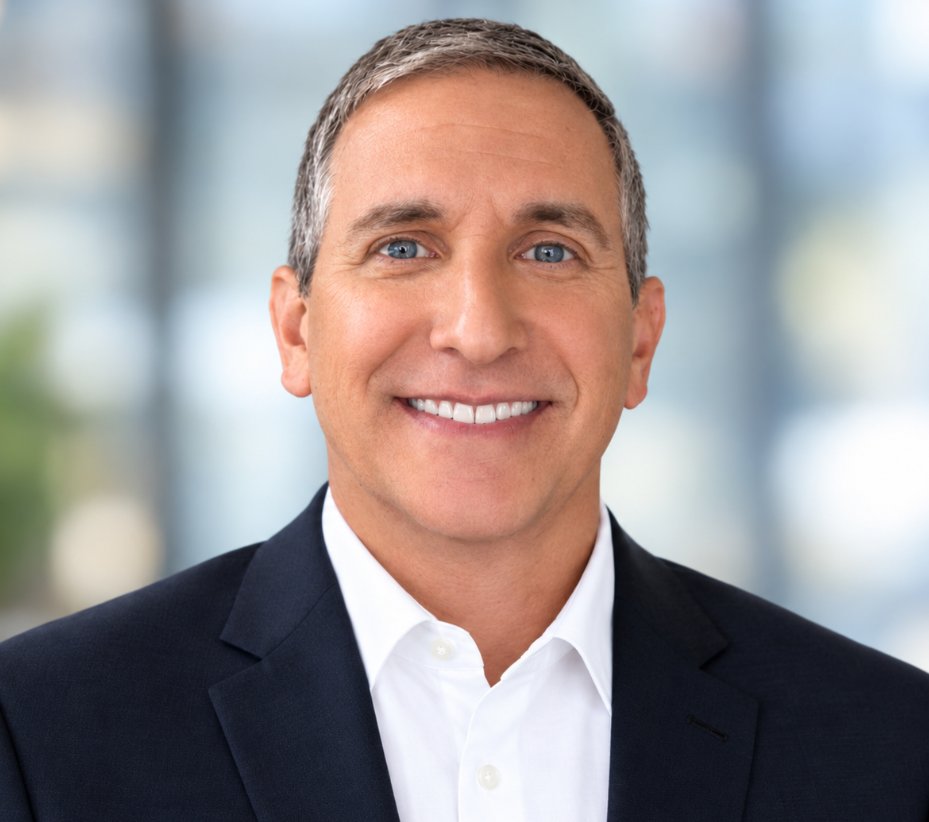










Meta CEO Mark Zuckerberg recently weighed the prospect of leaving California as the state prepares to vote on a controversial billionaire tax proposal. According to a new SEC filing released on Wednesday, the tech mogul expressed concerns over the financial implications of Proposition 40, a measure slated for the ballot next month that would impose a one-time levy on the total assets of the state’s wealthiest residents.
The disclosure reveals that Zuckerberg’s potential departure prompted an immediate reaction from Meta’s board. A special committee formed by the company argued that maintaining a physical presence in Silicon Valley is vital for the firm’s future, particularly as it intensifies its development of artificial intelligence through the Meta Superintelligence Labs.
Securing Executive Continuity
The prospect of losing its founder and leader at such a pivotal juncture in the AI arms race appears to have been deemed an unacceptable risk. The filing indicates that the committee successfully negotiated a commitment from Zuckerberg to remain in California—or any other jurisdiction where the company maintains its primary corporate headquarters—for a period of eight years, unless significant unforeseen circumstances arise.
To facilitate this arrangement and ensure that Zuckerberg remains in control of the company’s strategic direction, Meta is implementing a restructuring of its equity. The company is introducing a new stock class designed to provide the CEO with $20 billion in immediate liquidity. This financial cushion is intended to allow Zuckerberg to cover the potential tax burden without the need to sell off his voting shares, ensuring his firm grip on Meta’s decision-making remains intact.
Industry analysts note that this move, which involves a total of $150 billion in new shares, also serves to boost the company’s capital reserves, support employee compensation packages, and maintain stability in Meta’s stock valuation as it maneuvers through a high-stakes AI-driven landscape.
A Polarizing Tax Climate
Meta is not the only company grappling with the potential economic fallout of California’s tax proposals. Silicon Valley’s top brass has been increasingly vocal—and financially active—in opposing measures that target high-net-worth individuals. Other prominent tech leaders, such as Google cofounder Sergey Brin and former CEO Eric Schmidt, have reportedly invested hundreds of millions of dollars into aggressive advertising campaigns to defeat similar legislation.
While Zuckerberg has maintained a more understated public profile regarding the matter, the SEC filings suggest that the threat to his massive personal wealth is being taken with extreme seriousness behind closed doors. With an estimated net worth of approximately $240 billion, according to Forbes, Zuckerberg’s portfolio extends far beyond the borders of his home state. He maintains an expansive real estate footprint that includes properties in Miami, Hawaii, and Ireland, granting him the logistical flexibility to relocate should the political or fiscal climate in California become untenable.
AI Ambitions at the Core
The intense effort to keep Zuckerberg tethered to the West Coast underscores how inextricably linked Meta’s AI ambitions are to its current leadership. As the company races against competitors like Google, Microsoft, and OpenAI to reach the next frontier of artificial intelligence, the committee underscored that proximity to the Meta Superintelligence Labs is a primary operational necessity.
By providing this new liquidity, the company hopes to neutralize the tax as a factor in its leadership strategy. For Meta, the goal is clear: to ensure that its founder can continue to steer the ship from its Silicon Valley heartland, unburdened by regional fiscal policies that might otherwise pull the company’s most important leaders away from their home base.
Disclaimer: This content is auto-generated for informational purposes only.
Source: Read Original News