








A Strategic Consolidation in Consumer Audio
In a significant move that reshapes the competitive landscape of the consumer audio market, Bose has officially announced the acquisition of Skullcandy. While the two entities have long operated in distinct segments of the industry—Bose as the established leader in premium acoustics and noise cancellation, and Skullcandy as a youth-oriented brand known for its cultural footprint—this merger signals a shift toward technological integration. Under the terms of the acquisition, Skullcandy will remain a separate brand, retaining its headquarters in Park City, Utah, and continuing to operate as a distinct entity within the broader Bose portfolio.
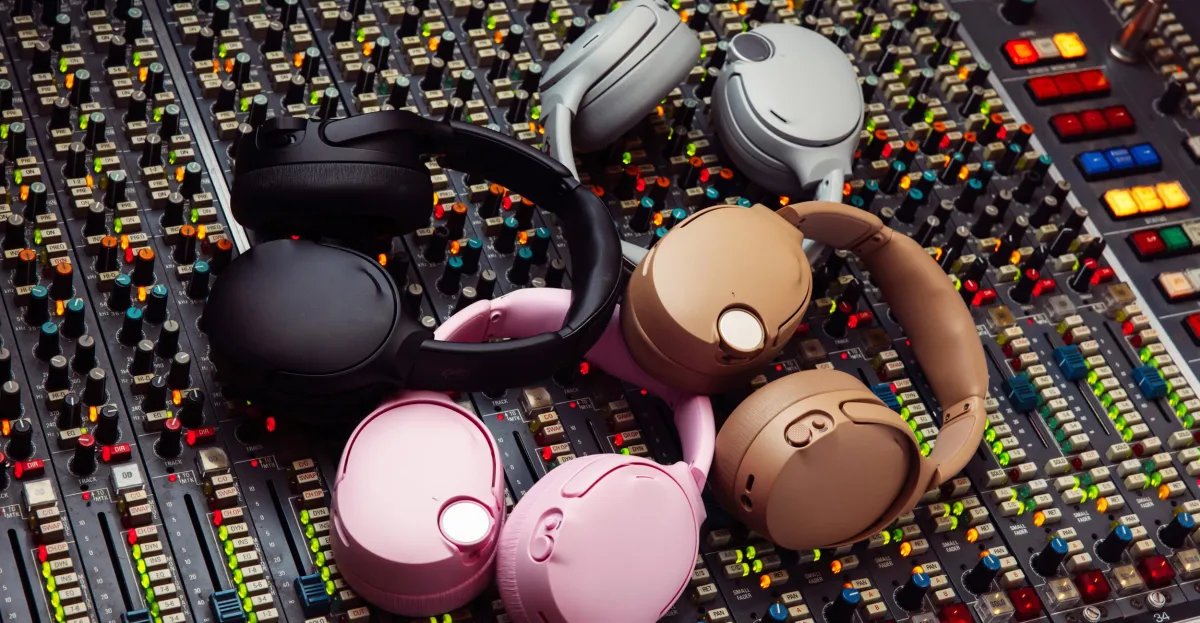
This acquisition follows a period of successful technical collaboration. Before the formal merger, the companies engaged in a series of partnerships that integrated Bose’s proprietary audio technologies into specific Skullcandy product lines. This includes the implementation of advanced active noise cancellation (ANC) and spatial audio processing in hardware such as the Crusher 1080 ANC headphones and the Method 360 ANC earbuds. By bringing these innovations into the Skullcandy ecosystem, the companies have demonstrated that Bose’s high-fidelity engineering can effectively scale across different price points and design philosophies.
Expanding the Reach of Proprietary Audio Technology
The primary driver behind this acquisition is the widespread dissemination of Bose’s internal audio stack. Bose has long been recognized for its signal processing algorithms and transducer engineering, particularly regarding its industry-leading noise cancellation capabilities. Historically, these features were reserved for the flagship QuietComfort and Ultra product lines. The acquisition allows Bose to extend this intellectual property to a significantly broader consumer demographic.
By integrating its sophisticated noise-canceling circuits into Skullcandy’s diverse range of products, Bose can maintain market relevance among consumers who might find the premium pricing of high-end Bose hardware prohibitive. For the consumer, this means an upgrade in audio quality across the board. Features like head-tracking spatial audio, which uses gyroscopes and accelerometers to maintain a stationary soundstage as the listener turns their head, are now poised to become standard technical requirements rather than exclusive luxury additions.
Bridging the Gap Between Market Demographics
Bose and Skullcandy occupy different tiers of the audio market. Bose has historically anchored itself as the preferred choice for business travelers, professionals, and audiophiles who prioritize the suppression of ambient environmental noise. Conversely, Skullcandy has cultivated a robust presence among board-sports enthusiasts, music festivals, and younger listeners who value design, affordability, and brand association with active lifestyles.
The integration of these two brands provides Bose with a gateway into consumer markets where it previously held a minor footprint. By leveraging Skullcandy’s established identity and distribution channels, Bose can diversify its audience reach without diluting its own premium status. This arrangement allows Bose to provide high-end audio engineering to users who might not prioritize professional-grade noise cancellation as their primary criteria but still desire the performance benefits that result from superior tuning and digital signal processing.
Operational Autonomy and Future Development
A critical component of this deal is the stated commitment to maintaining Skullcandy as an independent brand. Rather than absorbing the company into a monolithic structure, Bose aims to preserve the cultural identity and creative independence that has sustained Skullcandy since its founding in 2003. This autonomy is essential for ensuring that Skullcandy’s unique approach to product aesthetics and brand positioning remains intact.
For the development teams, the collaboration likely involves a shared roadmap for R&D. While the marketing and product design teams will remain distinct, the underlying engineering frameworks will be unified. This indicates that future releases from Skullcandy will benefit from the same R&D cycles that drive Bose’s core research. As global demand for high-quality wireless audio continues to grow, this shared resource model ensures that both brands can iterate faster and deliver more sophisticated software updates to their respective user bases.
The Impact of Integrated Acoustic Engineering
The long-term impact of this acquisition will be measured by the performance of future hardware releases. The technical requirements for modern headphones have increased significantly; consumers now expect advanced connectivity, adaptive noise management, and high-resolution sound profiles even in entry-level products. By combining Bose’s acoustic engineering with Skullcandy’s hardware development pipeline, the combined entity is well-positioned to meet these evolving technical expectations.
Furthermore, this move suggests a broader industry trend where specialized component technology—such as specialized DSPs (Digital Signal Processors) and ANC logic—is becoming a primary commodity for acquisition. By consolidating their technical capabilities, Bose is not just buying a brand; it is acquiring a platform to deploy its innovations across a wider variety of form factors. As the lines between lifestyle audio and professional audio continue to blur, this acquisition creates a formidable structure capable of addressing almost every segment of the global audio market. Whether through premium, noise-canceling over-ear models or high-durability earbuds designed for active use, the union of these two companies marks a new chapter in how consumer audio hardware is developed and distributed.
Disclaimer: This content is auto-generated for informational purposes only.
Source: Read Original News