







Delhi’s Air Quality Remains ‘Poor’ for Second Consecutive Day as Winter Smog Sets In
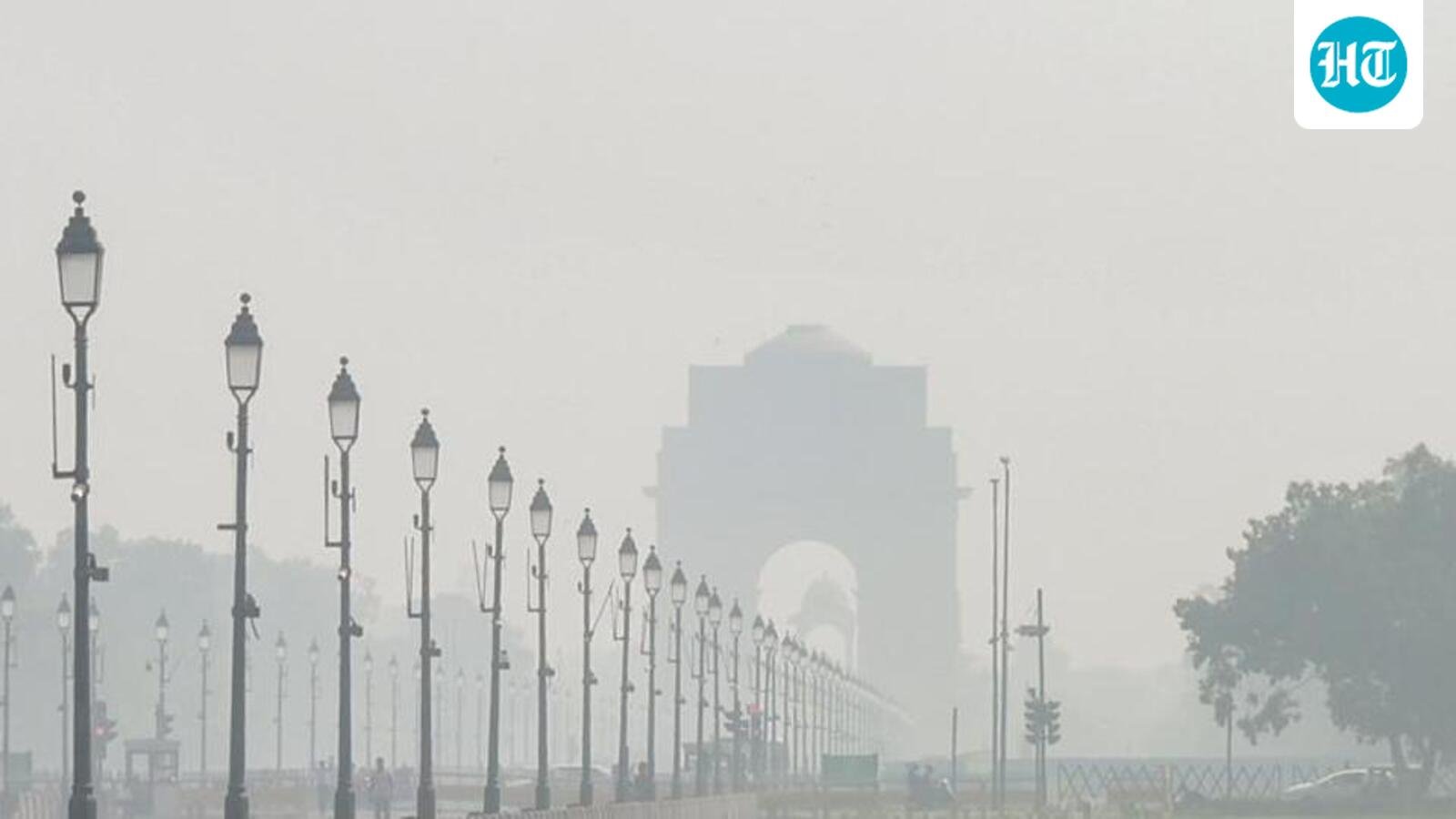
Delhi’s battle with seasonal air pollution has hit a grim milestone, with the city’s Air Quality Index (AQI) lingering in the “poor” category for the second day in a row. As of 9:00 am on Thursday, the capital’s overall AQI was recorded at approximately 253, reflecting the deteriorating meteorological conditions that have begun to trap pollutants close to the ground.
While most parts of the city reported high pollution levels, specific regions are faring significantly worse. Data from 56 monitoring stations across the national capital revealed that several hubs have already slipped into the “very poor” air quality zone. Chandni Chowk, Vivek Vihar, and Jahangirpuri were among the most affected, with AQI readings of 307, 306, and 309, respectively. While 19 stations managed to maintain “moderate” air quality, the vast majority of the city’s monitors are consistently flagging levels that pose health risks to residents.
The Post-Dussehra Spike
The current dip in air quality follows a sharp deterioration observed immediately after Dussehra celebrations. The AQI climbed from a relatively manageable 179 on Tuesday to 245 by Wednesday evening—the highest single-day reading of the season and the worst since mid-July.
This 66-point jump represents the third-largest surge recorded the day after the festival in the last ten years. Environmental experts attribute this rapid decline to a combination of festive emissions—such as smoke from effigy burning—and stagnant, damp nocturnal air that prevented the dispersal of pollutants. In response to this rapid degradation, the Commission for Air Quality Management (CAQM) acted swiftly, invoking Stage I of the Graded Response Action Plan (GRAP) across Delhi and the National Capital Region (NCR).
Rising Concerns Over Farm Fires
Beyond local emissions and festive fallout, authorities are closely monitoring the impact of crop residue burning in neighboring states. The Decision Support System (DSS) for Air Quality Management has issued a worrying forecast, indicating that the contribution of stubble burning to Delhi’s pollution load is expected to rise sharply.
After accounting for roughly 3.9% of the capital’s particulate matter on Wednesday, stubble burning is projected to rise to 7.4% on Thursday and jump significantly to 15.9% by Friday. Meteorologists from the India Meteorological Department (IMD) and the Indian Institute of Tropical Meteorology have signaled that the combination of reduced wind speeds and the seasonal rise in farm fires means that Delhi is unlikely to see relief in the immediate future.
With the air quality forecasted to remain in the “poor” range for the coming days, health experts are urging vulnerable populations—including the elderly, children, and those with respiratory issues—to limit prolonged outdoor exertion. As the winter season approaches and wind patterns become increasingly unfavorable for the dispersal of pollutants, the city remains on high alert under the active GRAP-I restrictions.
Disclaimer: This content is auto-generated for informational purposes only.
Source: Read Original News