








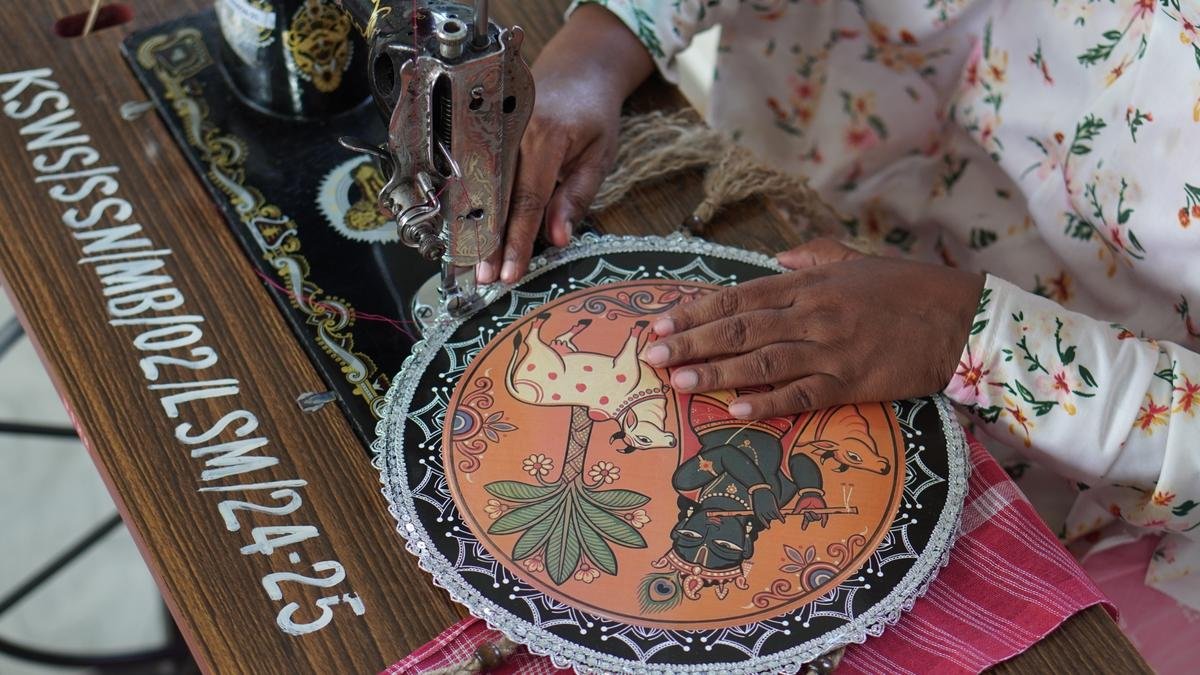
In the remote riverine villages of the Sundarbans, the landscape of education is undergoing a quiet but profound transformation. In the villages of Bishpur, Mamudpur, Hingalganj, and Boltala, the Swapnopuron Sikkha Niketan—an initiative of the Katakhali Swapnopuron Welfare Society (KSWS)—is demonstrating that the classroom is not merely a space for children, but a hub for the socio-economic empowerment of the entire community.
Beyond the Classroom: Redefining Educational Access
While recent UDISE+ 2024–25 data underscores the persistent national challenges regarding school infrastructure and student retention, the Swapnopuron Sikkha Niketan offers a grassroots model for improvement. By viewing a child’s education as inseparable from the economic stability of their household, the school has successfully bridged the gap between parental income and student outcomes.
The strategy is twofold: provide consistent nutritional support through daily school meals, which has boosted attendance to 90% and retention to 74%, and simultaneously provide the mothers with vocational training. By creating a learning environment for parents, the institution acknowledges that when a mother gains financial agency, the family’s capacity for healthcare, better nutrition, and educational supplies increases significantly.
Skill Acquisition as a Policy Catalyst
For years, many women in these regions relied on informal, precarious labor such as beedi rolling, which is characterized by low wages and significant health risks. KSWS has shifted this narrative by training over 250 women in garment construction, tailoring, and the production of bandhini-inspired clothing.
The initiative moves beyond basic vocational training to address the barriers that keep rural women in poverty: access to equipment and market reach. Data from an internal KSWS survey highlights the necessity of these factors: 40% of women who own a sewing machine report consistent earnings, compared to only 4% of those who do not. By providing both the skills and the equipment, the program empowers women to transition from low-paid manual labor to skilled entrepreneurial roles, with some now earning up to ₹10,000 per month—a drastic improvement over the minimal returns of the informal sector.
Challenging Institutional Norms
The impact of this program extends into the broader social fabric of the Sundarbans. Traditionally, professional tailoring in these villages was a male-dominated domain. By entering this market, the women of Swapnopuron Sikkha Niketan are effectively challenging gender-based economic stereotypes.
“We are not only learning to build a business from scratch but also carving our own niche in the market,” notes Kanika, a participant in the program. This shift is creating a new local economy where women are the service providers, not just the recipients of domestic labor. Furthermore, the school has become a focal point for institutional engagement. As mothers visit the school for their training, their rapport with the authorities grows, leading to more frequent check-ins on their children’s academic performance and, consequently, a more active, supportive environment for student learning.
Future Implications for Rural Education
The experience of the Swapnopuron Sikkha Niketan suggests that schools can—and perhaps should—function as community development centers. By addressing the “hidden curriculum” of poverty—where household financial strain is the primary driver of school dropouts—initiatives like this one offer a blueprint for holistic education policy.
While the organization’s success highlights the importance of family-school synergy, it also poses a challenge to policymakers: to scale these outcomes, educational infrastructure must be integrated with sustainable livelihood training. As these women continue to build their customer bases, they are not only securing their own financial independence but are also fostering a culture where their children’s education is prioritized as a long-term investment rather than a luxury. Through this model, the school proves that the most effective way to keep a student in class is to ensure their entire family has the means to thrive.
Disclaimer: This content is auto-generated for informational purposes only.
Source: Read Original News