







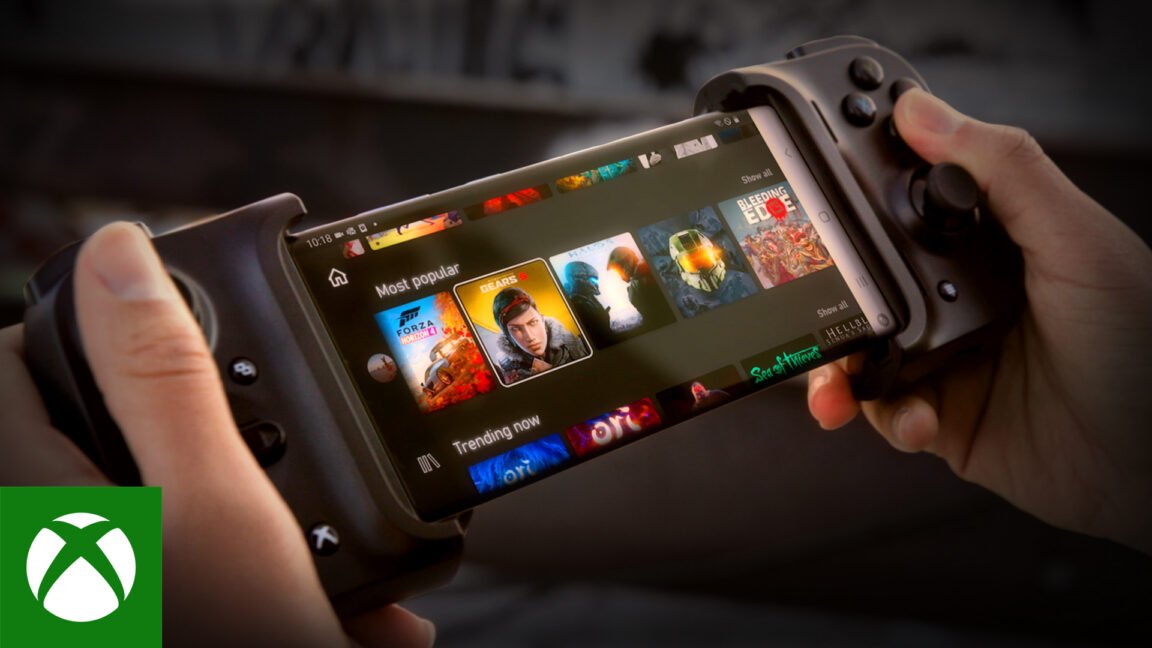
The landscape of cloud gaming has entered a contentious new chapter. Microsoft has officially initiated testing for a new “a la carte” pricing model for Xbox Cloud Streaming, targeting users who do not maintain an active Game Pass subscription. This development follows a controversial decision made in September to restrict the breadth of streaming titles available to existing subscribers, a move that prompted questions about the future accessibility of Microsoft’s cloud gaming infrastructure.
Understanding the Cloud Playtime Model
For users currently enrolled in the Xbox Insider program, the new system introduces flexible, time-based digital vouchers. These vouchers allow players to stream eligible titles they own on a variety of supported devices without requiring a premium monthly subscription. Microsoft has structured this offering through three distinct tiers, utilizing “introductory launch pricing”:
* 10 hours for $4, resulting in a rate of approximately $0.40 per hour.
* 25 hours for $8, reducing the cost to approximately $0.32 per hour.
* 50 hours for $12, bringing the rate down to approximately $0.24 per hour.
A notable feature of this system is that purchased hours do not expire on a monthly basis. Microsoft has clarified that these hours remain credited to the user account until they are fully depleted, providing a level of permanence that standard subscription models lack. This flexibility is intended for casual players or those who only occasionally require the utility of cloud streaming, rather than the “all-you-can-play” demand patterns of power users.
The Economic Implications of Metered Access
The introduction of metered access raises significant questions regarding the total cost of ownership for gaming software. Historically, cloud gaming has been bundled into subscription services like Game Pass Ultimate, which provides a high-volume library at a fixed monthly cost. By separating streaming access from software ownership, Microsoft is introducing a secondary cost layer.
Critics of the model point to the disconnect between paying for a game upfront and then being charged an hourly fee to access that same product via the cloud. In the traditional retail model, the consumer pays for a license once and expects to run the software on their own hardware. Under the new cloud-centric framework, the consumer is effectively paying a rental fee for the server-side hardware required to run the game remotely. While the per-hour cost—reaching as low as 24 cents—appears inexpensive on an individual basis, it necessitates a paradigm shift in how users perceive the value of their digital game library.
Comparative Analysis: Arcades vs. Modern Streaming
The industry discourse surrounding this update has frequently referenced the bygone era of arcade gaming. In the 20th century, the arcade model required a direct, per-session financial contribution for gameplay. However, that model functioned under the premise that the hardware—the cabinet, the CRT monitor, and the custom board—was owned by the establishment, not the player.
In Microsoft’s current proposal, the user is required to purchase the game at full retail price and then secure additional “playtime” to utilize that game in a specific, convenient format. This distinguishes the service from the short-lived Google Stadia project. Stadia, while it failed to capture the mass market, operated on a model where purchased games were intended to be accessible through the cloud as a standard feature, rather than a metered utility. By decoupling the content from the delivery method, Microsoft is placing the focus on the compute resources utilized during the streaming session.
Technical Infrastructure and User Impact
From a technical perspective, cloud streaming is an intensive process requiring low-latency server connections, high-bandwidth data transmission, and constant server-side GPU allocation. Metered usage allows Microsoft to manage data center loads more effectively by creating a direct cost recovery link between user activity and infrastructure expenditure.
For the user, the utility of this feature lies in accessibility. It allows owners of limited hardware—such as those utilizing smart TVs, mobile devices, or low-end laptops—to run high-fidelity titles that would otherwise be impossible to play locally. Whether this convenience justifies the additional surcharge remains to be seen as the testing phase progresses. The impact on the broader gaming community will likely depend on whether users view these packs as a viable alternative to subscriptions or as an unnecessary penalty for those who prefer to own their games individually.
The Future of Xbox Cloud Gaming
As Microsoft moves toward a broader rollout, the industry will be watching to see how the player base responds to the hybrid model of ownership and usage-based billing. The success of this initiative could signal a shift in how major publishers handle server-side maintenance costs, moving away from flat-rate subscriptions toward a more segmented, granular approach.
The Xbox Insider feedback loop will be critical in determining whether these prices are adjusted or if the bundling options change before the feature reaches a global audience. For now, the introduction of Cloud Playtime underscores a clear trend: the commodification of the cloud. As local hardware becomes less of a prerequisite for AAA gaming, the cost of the underlying server infrastructure will increasingly be passed directly to the consumer, session by session. Whether this represents a democratization of gaming or a regression to an older, more fragmented payment model, the decision ultimately rests in the hands of the players who must decide if the convenience of the cloud is worth the recurring price of entry.
Disclaimer: This content is auto-generated for informational purposes only.
Source: Read Original News