








A Strategic Consolidation in the Audio Industry
The consumer audio landscape has undergone a significant transformation with the recent acquisition of Skullcandy by industry titan Bose. This deal unites two companies that have historically occupied different segments of the market. Bose, long regarded as the benchmark for premium noise-canceling technology and high-fidelity acoustics, has brought the youth-focused, lifestyle-centric brand into its corporate fold as a distinct subsidiary.
While the financial terms of the transaction remain undisclosed, the move signals a calculated effort by Bose to diversify its reach. By absorbing Skullcandy, Bose is not merely acquiring a competitor; it is integrating a brand that maintains deep roots in demographics where the Bose name has struggled to achieve saturation. Skullcandy will retain its headquarters in Park City, Utah, ensuring that its distinct operational culture—centered on sports, gaming, and urban music culture—remains intact while benefiting from the vast research and development infrastructure of its new parent company.
The Synergy of Technology and Market Reach
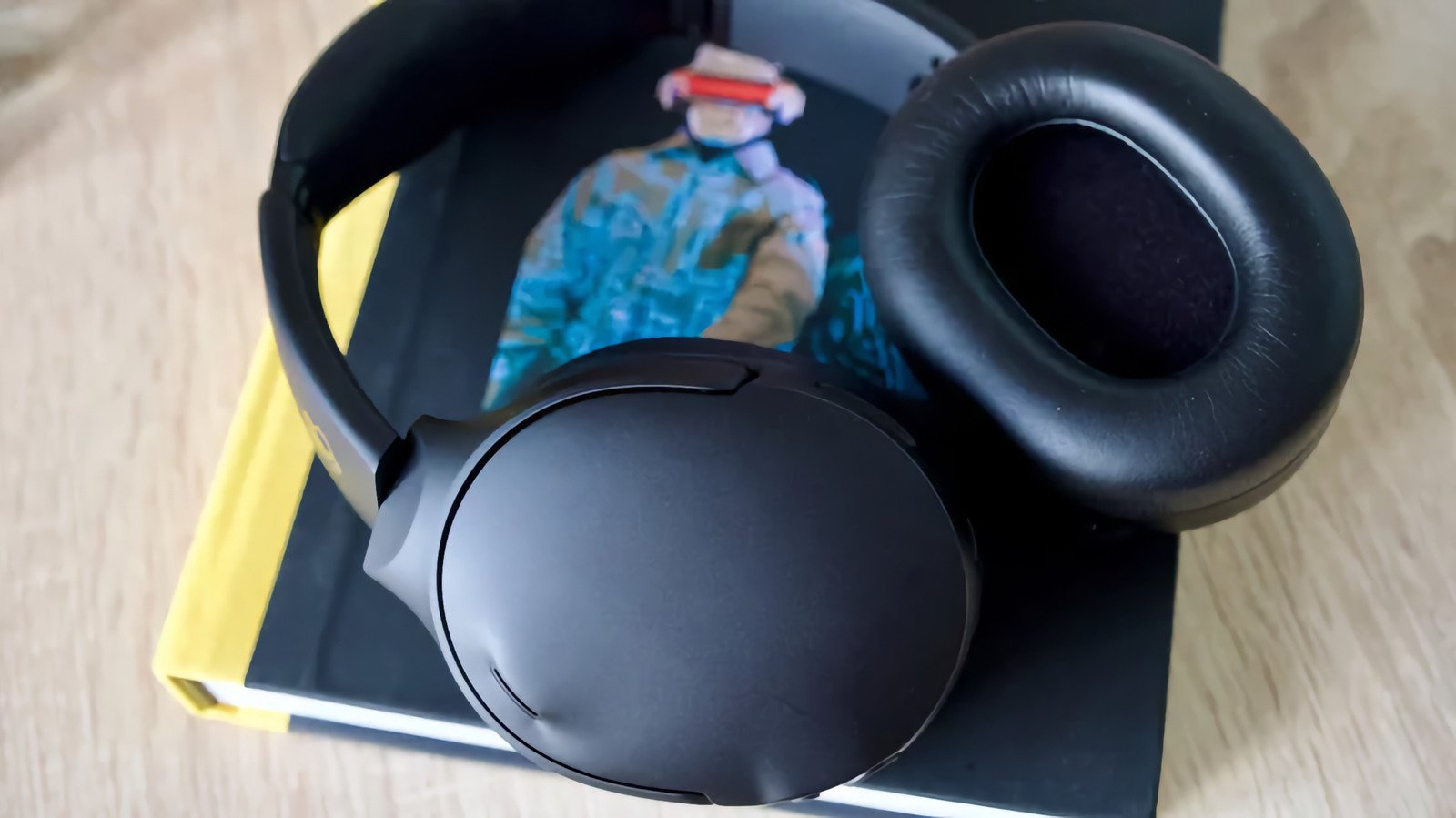
The acquisition is the culmination of a years-long partnership between the two entities. Prior to the full buyout, the companies collaborated on several projects, most notably the integration of proprietary components into Skullcandy hardware. The Skullcandy Crusher 1080 headphones, which carry the “Sound by Bose” designation, serve as a primary example of this cross-pollination. This partnership allowed Skullcandy to utilize Bose’s engineering expertise to improve its sound output, while Bose gained insight into how its acoustic technologies performed within lower-cost, consumer-grade enclosures.
Looking ahead, this transition suggests a broader integration of Bose’s advanced audio processing algorithms and noise-reduction technologies into the mid-range price bracket. For the consumer, this could mean that future iterations of Skullcandy hardware will feature enhanced audio clarity and more sophisticated digital signal processing (DSP) capabilities. For Bose, the partnership provides a platform to deploy its R&D innovations in products that are accessible to a wider demographic, bypassing the barriers associated with premium pricing.
Expanding the Bose Ecosystem
Bose CEO Lila Snyder has articulated a vision for the company that transcends its traditional product lineup. The objective is to scale the influence of the Bose brand not only through its core high-end offerings but through a strategic portfolio of specialized labels. This approach allows Bose to maintain its status as an elite audio manufacturer while simultaneously capturing market share in fast-growing sectors like competitive gaming and action sports—areas where Skullcandy has established significant brand loyalty.
Historically, Bose has prioritized acoustic precision and professional-grade noise cancellation. However, this focus has occasionally distanced the brand from younger consumers who value aesthetics, personalization, and portability over pure auditory clinicality. By adopting Skullcandy, Bose creates a dual-tier business model. Bose remains the standard for audiophiles and corporate travelers, while Skullcandy acts as the vehicle for tapping into the trend-driven segments of the market. This structure mirrors successful precedents in the technology industry where a parent company leverages a subordinate brand to capture a distinct segment of the public without diluting the prestige of the primary label.
Impact on the Competitive Landscape
The consolidation of these two brands changes the competitive dynamics within the audio market. By positioning Skullcandy as a direct competitor to lifestyle brands often associated with other tech giants, Bose is effectively bracing itself against shifts in consumer behavior. As streaming services and high-resolution mobile audio become the standard, the hardware used to consume this media has become a fashion accessory as much as a functional tool.
Skullcandy’s established presence in niche markets, particularly among gamers who require low-latency audio and athletes who prioritize durability, provides Bose with a massive influx of data and consumer feedback. The ability to iterate on products using the rapid release cycles typical of the lifestyle market will give the combined organization a distinct advantage. It allows them to maintain a presence in the rapid-fire “budget-premium” space while continuing to dominate the high-end headphone and speaker market with their flagship product lines.
Future Outlook for Audio Development
Industry analysts suggest that the integration of Bose’s acoustic engineering will likely lead to a resurgence in the quality of affordable audio hardware. As the barriers between high-fidelity sound and casual lifestyle listening dissolve, the resources flowing from Bose into the Skullcandy pipeline are expected to raise the baseline of product performance.
This move also highlights a broader trend: as hardware reaches a plateau in terms of basic functionality—such as Bluetooth stability and battery life—brands are moving toward software-defined features and brand-led identity to differentiate their offerings. With Bose’s technical heritage serving as the backbone, the evolution of the Skullcandy brand will be a key development to watch. The goal is clear: to ensure that whether a consumer is purchasing a professional noise-canceling headset or a pair of durable, style-forward earbuds for a workout, they are within the reach of the same technical ecosystem. As this merger settles, the audio industry will likely see an increase in similar “brand-layering” strategies, where companies focus on securing a presence at every price point through acquisition rather than attempting to build every category from the ground up.
Disclaimer: This content is auto-generated for informational purposes only.
Source: Read Original News