








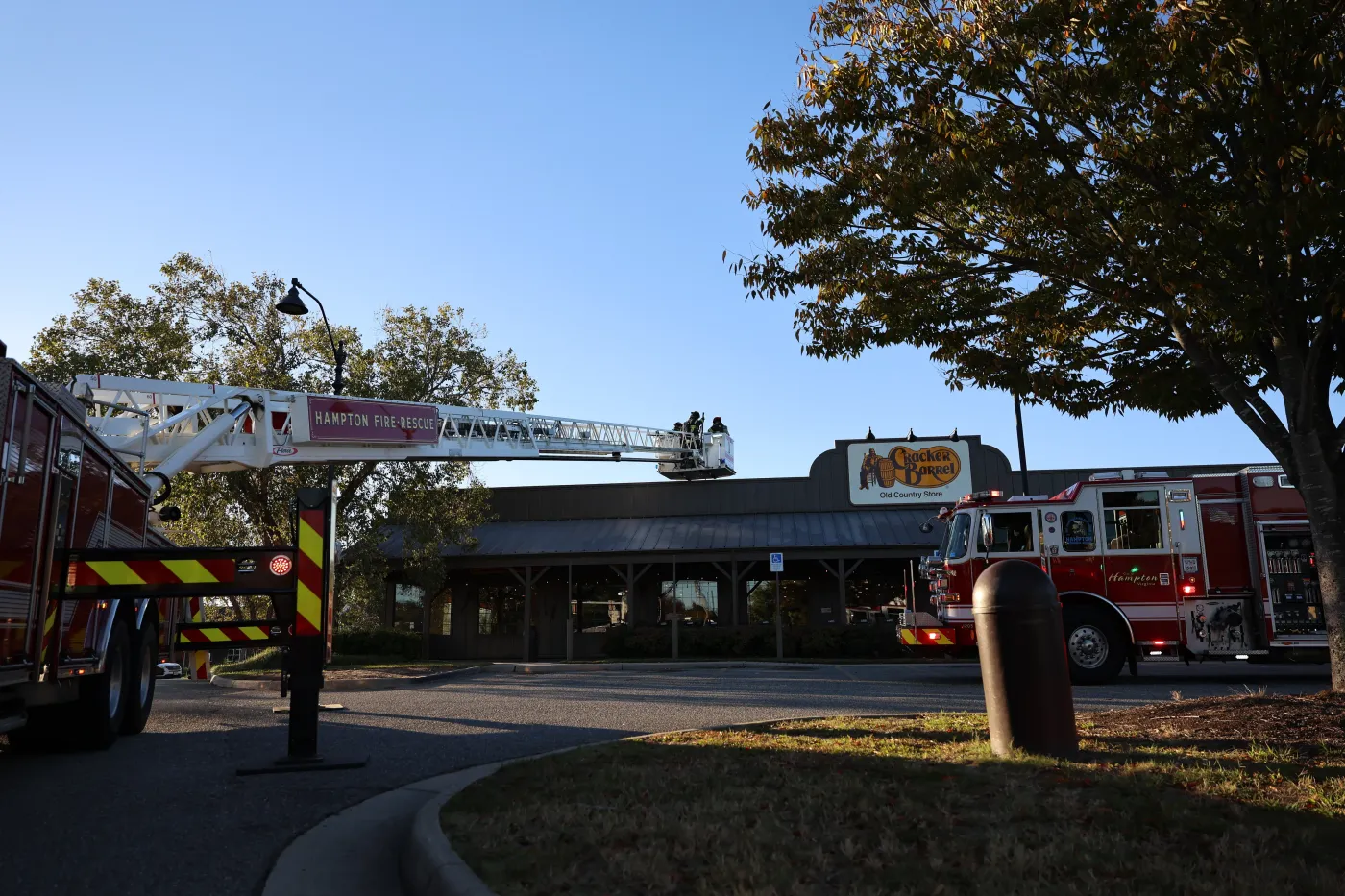
Firefighters in Hampton, Virginia, successfully contained a blaze at a commercial facility in the 100 block of Marketplace Drive early Thursday morning, an incident that serves as a sobering reminder of the physical risks faced by modern data-driven infrastructures. While emergency crews worked to mitigate the smoke and structural damage on-site, the event highlights the growing intersection between physical business security and the digital tools now essential for disaster recovery and operational continuity.
The Intersection of Physical Infrastructure and Digital Resilience
As local crews arrived at the Marketplace Drive site shortly after the initial alarm, the immediate priority was the safety of staff and the containment of the fire. In the modern business landscape, however, responding to such incidents has evolved far beyond manual firefighting. Many local businesses now integrate smart building management systems—often powered by AI-driven sensors—that provide real-time alerts to emergency services before human operators even detect the smoke.
These advanced systems, frequently integrated into platforms like Google Cloud’s IoT Core or similar infrastructure-as-a-service (IaaS) products, allow business owners to monitor environmental conditions remotely. While it remains unclear if specific AI-monitoring software played a role in the speed of the Hampton response, the trend of deploying “digital twins” of physical storefronts is accelerating. This technology allows business owners to visualize internal layouts and hazard locations for emergency responders, potentially saving minutes that are critical during a fire.
Data Security in the Wake of Physical Emergencies
For any business impacted by a structural fire, the physical damage to inventory and the facility itself is only half the battle. Today, the most significant asset for many enterprises is data. In the aftermath of the Marketplace Drive incident, the focus will likely shift to business continuity planning.
In recent years, cloud computing giants like Google have prioritized “high availability” storage solutions. For modern businesses, shifting operations to a remote-first, cloud-based model via Google Workspace means that even if a physical office is compromised by fire, the day-to-day operations can often continue via laptops and secure internet connections. This shift toward “cloud-first” operations has transformed how small and medium-sized businesses recover from catastrophic events, moving the priority from saving physical paper files to ensuring that cloud backups are encrypted and accessible from any location.
Leveraging AI for Incident Analysis
Following the conclusion of this investigation, Hampton officials will likely conduct a standard review to determine the cause of the fire. Moving forward, many municipal agencies are looking toward artificial intelligence to assist in forensic analysis. Pattern recognition software can help investigators look for anomalies in sensor data or historical footage, providing insights that could prevent similar incidents in the future.
Furthermore, the tech industry is increasingly collaborating with city governments to create “smart city” dashboards. By aggregating data from fire department response times, traffic patterns, and smart hydrant monitoring, city officials can optimize how they allocate resources during emergencies. While Thursday’s incident on Marketplace Drive was a localized event, it underscores the necessity of a layered approach to business security: one that includes traditional fire suppression and physical training, complemented by a robust, cloud-integrated digital strategy.
As Hampton officials continue to secure the site and investigate the origin of the blaze, the incident stands as a testament to the essential work performed by the Hampton Fire Division. It also reinforces the reality that in an increasingly connected world, the resilience of our physical storefronts is inextricably linked to the sophistication of our digital infrastructure. Businesses that leverage current technological advancements are not only better prepared to prevent fire hazards but are also better equipped to recover when the unthinkable occurs.
Disclaimer: This content is auto-generated for informational purposes only.
Source: Read Original News