








As the retail giant Costco prepares for its long-awaited debut in Smithfield, Rhode Island, the expansion is triggering a contentious debate that pits the efficiency of big-box retail against the survival of the state’s independent small business ecosystem. At the heart of the conflict is a legislative barrier: Rhode Island law currently prohibits supermarkets from selling alcohol, a regulation that local liquor operators are fighting to maintain.
The arrival of the membership-only warehouse has inadvertently become a political flashpoint, drawing attention to the intersecting worlds of corporate governance and gubernatorial politics.
## The Political and Corporate Tug-of-War
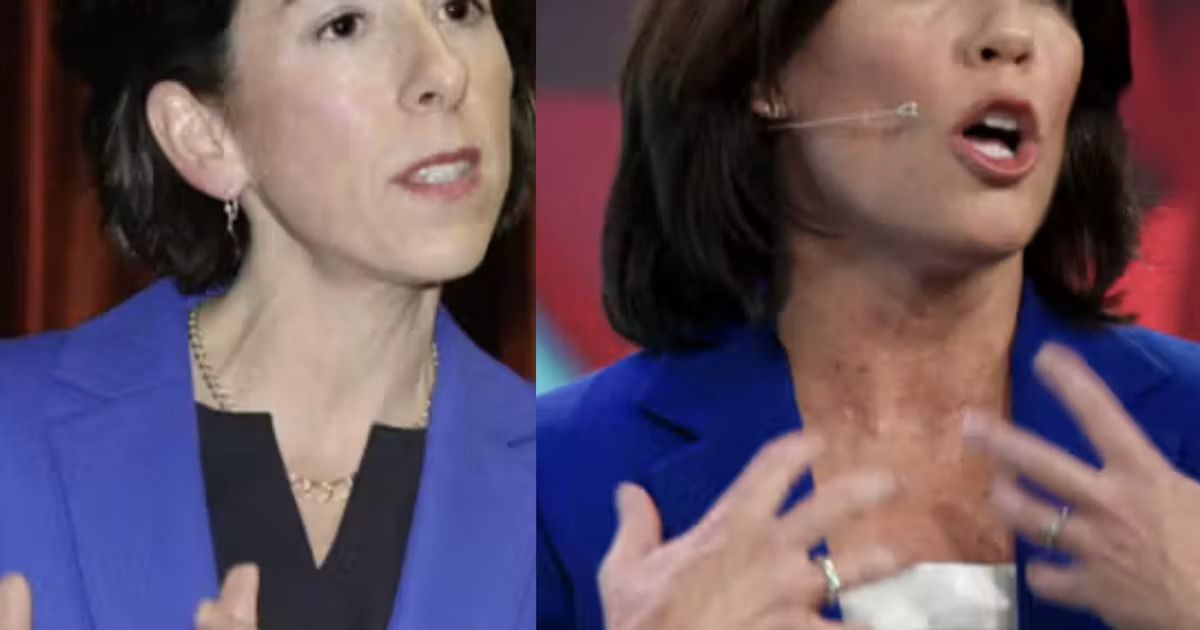
The narrative surrounding the new store has been complicated by the involvement of high-profile political figures. Gubernatorial candidate Helena Foulkes and former Rhode Island Governor Gina Raimondo both serve on Costco’s Board of Directors. Their dual roles—as advocates for the state’s economic development and as fiduciaries for a massive corporation that reported $297.2 billion in net merchandise sales—have raised eyebrows among local stakeholders.
While Foulkes has publicly celebrated the arrival of a brand that many Rhode Islanders previously traveled to Massachusetts to visit, critics point to the potential for self-interest. With both Foulkes and Raimondo receiving significant annual compensation from the retailer, questions regarding lobbying and state policy influence have begun to circulate among small business advocates.
## The Economic Impact on Small Retailers
The Rhode Island Liquor Operators Collaborative (RILOC) has been vocal in its opposition to any legislative adjustments that might grant Costco an exemption to the state’s alcohol laws. Nicholas Fede, Jr., the group’s executive director, warned that the entry of a massive chain into the liquor space would be a “job killer.”
The concerns are grounded in historical data from neighboring states. According to RILOC, the legalization of alcohol sales in big-box grocery stores in Massachusetts contributed to the loss of approximately 6,000 jobs within the local liquor industry over the last decade. Independent, family-owned package stores argue that they operate within a highly regulated three-tier system, and that allowing a corporate giant to circumvent these norms would destabilize the local market.
“We believe in advocating for small, family-owned businesses that are the lifeforce of our communities,” Fede said. Meanwhile, other political figures, such as candidate Ken Block, have expressed support for Costco’s arrival as a retail option while simultaneously opposing any special liquor-selling exemptions that would disadvantage established local shops.
## Federal Oversight and Price Discrimination
The tension is exacerbated by broader national scrutiny regarding how major retailers utilize their market size to gain unfair advantages. In a notable move in 2024, the Federal Trade Commission (FTC) took legal action against Southern Glazer’s, the largest wine and spirits distributor in the United States. The FTC lawsuit alleged that the distributor engaged in illegal price discrimination by providing preferential, lower pricing to massive chains like Costco, Kroger, and Total Wine & More, while charging smaller “mom and pop” businesses significantly higher rates.
While a settlement was recently reached—requiring the supplier to ensure that small retailers are not charged significantly more than nearby chain stores—the episode underscores the systemic hurdles independent businesses face when competing against global retail conglomerates. As Rhode Island’s legislative session looms, the battle over the Smithfield store represents a microcosm of a much larger struggle: whether a state should prioritize the convenience of corporate-led, high-volume retail or the preservation of the independent business landscape that has defined its local economy for generations.
Disclaimer: This content is auto-generated for informational purposes only.
Source: Read Original News