







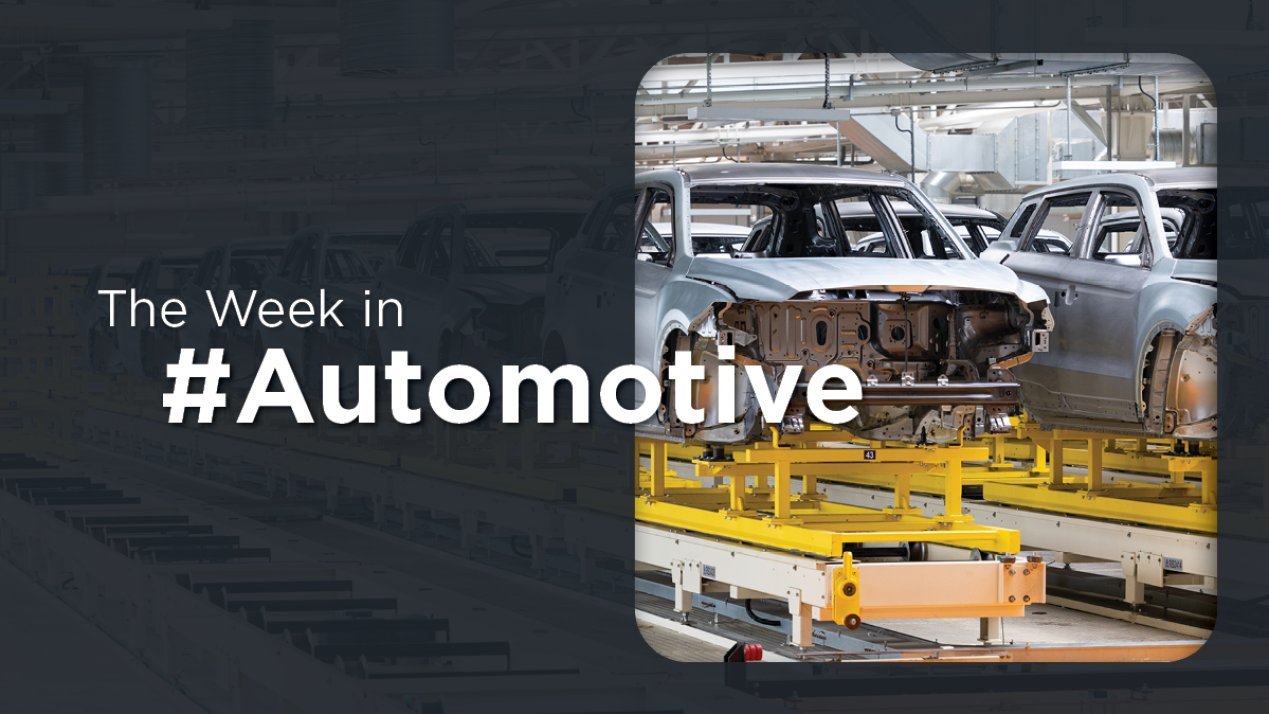
The Mexican automotive landscape is currently navigating a period of profound transformation, balancing labor stability and high-tech expansion against looming fiscal challenges. From union agreements that safeguard production lines to aggressive moves in AI-driven security, the industry is recalibrating its operational strategy to meet both economic and safety demands.
Labor Peace and Strategic Expansion
A significant hurdle was cleared this week as Volkswagen Mexico and the Independent Union of Volkswagen Automotive Industry Workers (SITIAVW) reached a tentative collective bargaining agreement. By securing an 8.24% increase, the parties averted a potentially crippling strike at the Puebla plant, with the deal now awaiting a final worker vote on October 29. This stability is vital as Mexico continues to attract Tier 1 manufacturing investment.
Further bolstering the region’s industrial footprint, SA Automotive announced it will construct a sprawling 250,000-square-foot facility in Ramos Arizpe, Coahuila. This expansion is part of a broader trend where international suppliers are deepening their roots in Northern Mexico to streamline logistics for the North American market, often leveraging new federal policies that grant temporary five-year tariff exemptions on imported component kits to incentivize local assembly.
The AI Revolution in Safety and Manufacturing
The integration of artificial intelligence is moving beyond the factory floor and into the streets, with mobility leader DiDi taking a major leap in public-private coordination. Following a US$15 million investment cycle, the platform has successfully deployed an AI-driven security ecosystem in Mexico that bridges the gap between private ride-hailing data and real-time public police response systems. This transition from reactive human support to automated, predictive safety infrastructure marks a significant evolution in urban mobility technology.
Meanwhile, in the high-tech automotive sector, the alliance between Mercedes-Benz and NVIDIA is deepening. The two companies have extended their long-term partnership to co-develop the next generation of advanced driver assistance systems (ADAS) and autonomous driving architectures. This collaboration underscores a global shift where legacy automakers increasingly rely on tech giants to manage the massive data processing requirements necessary for Level 3 and higher autonomous driving features.
On the production front, manufacturers are turning to “smart” hardware to solve the chronic shortage of skilled quality-assurance labor. Technologies such as intelligent toolholders—which collect real-time data from machining processes—are being deployed to identify anomalies instantly. This predictive quality control allows plants to minimize material waste and mitigate major equipment downtime, proving that tech-enabled automation is the primary solution to the sector’s current productivity paradox.
Fiscal Headwinds and Future Outlook
Despite these technological and operational gains, the industry faces an urgent fiscal threat. The Mexican Association of Automotive Distributors (AMDA) has raised alarms over a proposed income tax (ISR) reform, which analysts warn could jeopardize the financial viability of up to 30% of domestic auto dealerships. Should this legislation pass, it could threaten the livelihoods of roughly 70,000 direct employees, casting a shadow over the retail segment of the industry.
Simultaneously, the Mexican government is pushing forward with initiatives to insert the country into the global semiconductor supply chain while launching massive national programs to train local talent in AI and software development. These policies are designed to pivot the national identity from a pure manufacturing hub to a comprehensive technology leader.
As the industry looks toward the future, the combination of tax uncertainty for retailers, the race for AI-integrated safety, and the stabilization of unionized production environments creates a complex narrative. Whether through rocket-thruster stunts from Tesla or the quiet, data-driven efficiency of factory-floor predictive maintenance, the Mexican automotive sector remains at the epicenter of a high-speed technological and economic evolution.
Disclaimer: This content is auto-generated for informational purposes only.
Source: Read Original News