








The “bear trap” that offered a glimmer of hope to chip stock investors earlier this week has officially snapped shut. After a brief period of optimism, the PHLX Semiconductor Index (^SOX) plummeted more than 6% on Thursday, decisively breaching the 11,000-point support level that had served as a critical safety net for the sector since September.
This sharp decline marks the index’s worst single-day performance since June and its lowest closing price since July 29. The breakdown signals that the recent support, which successfully rebounded twice in the last two months, has officially failed, leaving traders who bought the dip vulnerable to further losses.
The financial toll has been immense. A Yahoo Finance tracking basket of 60 semiconductor stocks has shed more than $3 trillion in total market value since October 6, with nearly $1 trillion of that evaporation occurring on Thursday alone. Heavyweights like Lam Research and Applied Materials have seen their valuations crater by approximately 30% during this period, while AMD has slid more than 20%. Even Nvidia, the primary engine of the AI-driven tech rally, has felt the sting, shedding over $600 billion in market capitalization.
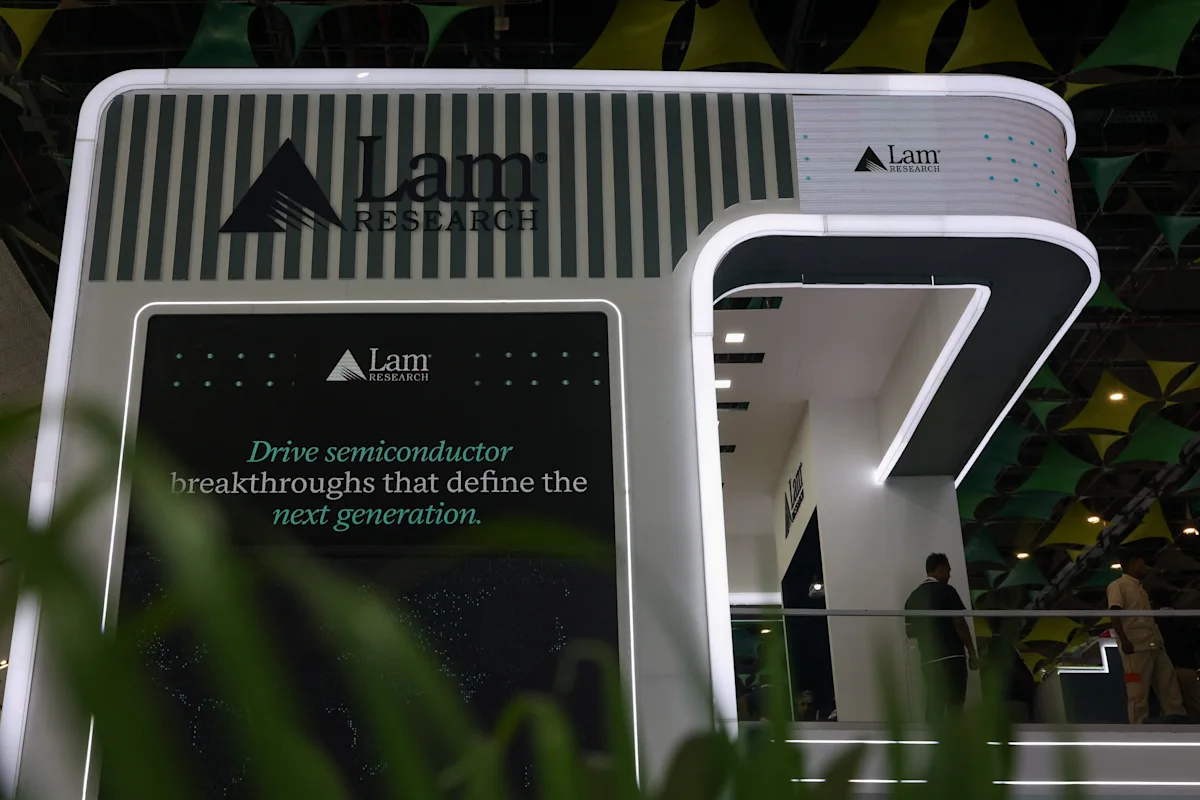
Thursday’s volatility was exacerbated by a bleak outlook from Lam Research. Despite reporting record revenue, the company warned that supply chain constraints are throttling its potential, specifically noting that sales to China are expected to be “meaningfully down” by the end of the year. This sentiment rippled across the broader market, dragging down tech giants like Meta, Amazon, and SpaceX, even as the Nasdaq 100 experienced a less severe decline of 7% over the same period.
Analysts are now looking to the 10,450–10,550 range as the next key area of interest. This zone represents the starting point of the summer rally and sits in close proximity to the 200-day moving average, a closely watched technical indicator that could determine whether the current slide turns into a prolonged bear market.
Despite the carnage, evidence suggests that the “buy the dip” mentality remains prevalent among retail and institutional investors. Bloomberg senior ETF analyst Eric Balchunas noted that semiconductor ETFs have seen record inflows over the past week, suggesting that many traders are still banking on a recovery.
“Every index on the planet is basically an AI index,” said Matt Miskin, co-chief investment strategist at Manulife John Hancock Investments. While the sector remains at the heart of the modern market, the technical reality is stark: for the bulls to regain control and revive the momentum that defined the year, the index must reclaim the 11,000 level in the coming sessions. Failure to do so could confirm that the current correction has more room to run.
Disclaimer: This content is auto-generated for informational purposes only.
Source: Read Original News