






Piyush Goyal Slams Developed Nations Over Unfulfilled Climate Finance Pledges
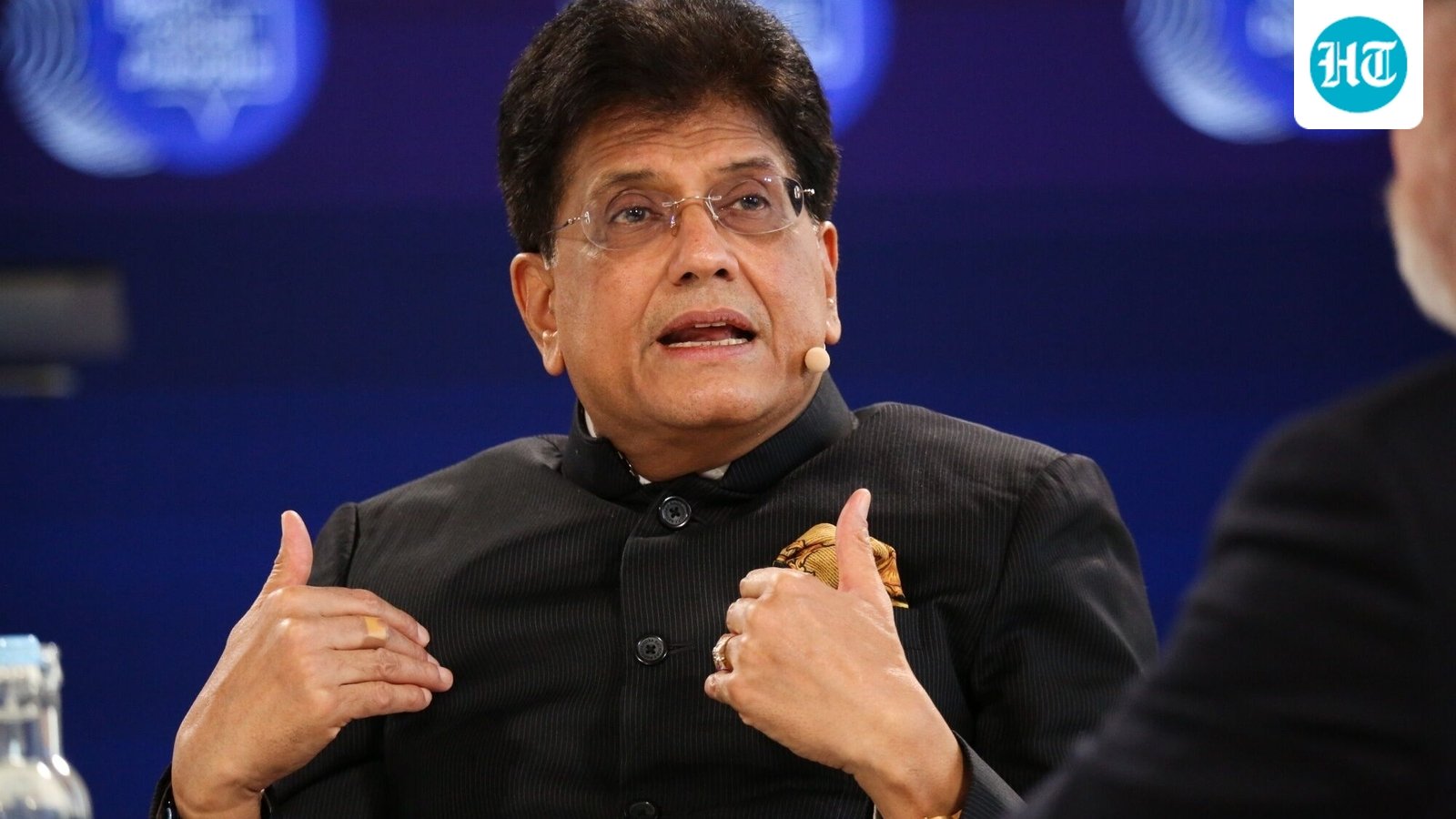
Union Commerce and Industry Minister Piyush Goyal has delivered a sharp rebuke to developed nations, accusing them of historical environmental negligence and a failure to meet critical financial commitments made to the Global South. Speaking at a high-level roundtable during the Berlin Global Dialogue, Goyal emphasized that Western powers must take accountability for their disproportionate contribution to the global climate crisis.
Historical Responsibility and Per Capita Disparity
Minister Goyal challenged the narrative surrounding carbon footprints, pointing out that the current state of atmospheric degradation—including ozone layer depletion—is largely the legacy of industrialized nations. Despite representing nearly 17% of the global population, India’s total contribution to global carbon emissions remains under 3%. In contrast, Goyal noted that Europe, with a significantly smaller share of the world’s population, has historically been responsible for a vastly larger portion of emissions.
Highlighting the stark inequality in environmental impact, the minister argued that Europe’s per capita carbon emissions are seven to eight times higher than those of India. He asserted that while India continues to prioritize sustainable growth, the environmental burden placed on the planet by Western nations remains exponentially higher, making their reluctance to provide support even more concerning.
The $100 Billion Broken Promise
A significant portion of Goyal’s address was dedicated to the stalled climate finance agenda. He reminded the international community of the foundational pledges made during the 2015 COP21 summit in Paris. At that landmark event, developed nations committed to providing $100 billion annually to support developing countries, vulnerable island nations, and emerging economies in their transition toward green energy.
Eleven years later, Goyal condemned the lack of progress, stating that not a “nickel or a dime” of that promised capital has been effectively delivered. He specifically criticized the European Union and the implementation of the Carbon Border Adjustment Mechanism (CBAM), suggesting that these policies serve to shift the burden onto developing nations rather than addressing the core issue of historical climate debt.
India’s Progress Amid Global Challenges
While demanding accountability from the West, Goyal highlighted India’s proactive stance on sustainability. Recent data from the United Nations Environment Programme (UNEP) underscores this effort, showing that India successfully recorded a decline in greenhouse gas emissions in 2025. This departure from previous trends of rapid growth is being attributed to a combination of favorable weather patterns and a robust structural shift toward renewable energy sources.
The UNEP report reinforces India’s position on the global stage, noting that the country’s per capita emissions remain well below the global average. While nations like the United States and China continue to see rising emission levels, India’s commitment to its climate goals remains firm. As the world approaches the upcoming COP31 summit, Goyal’s comments serve as a stern reminder that global climate justice cannot be achieved through rhetoric alone; it requires the fulfillment of long-overdue financial and technological support from those who have profited most from the industrial era.
Disclaimer: This content is auto-generated for informational purposes only.
Source: Read Original News