






US Secretary of State Marco Rubio Prioritizes Trade and Energy Ties in Second India Visit
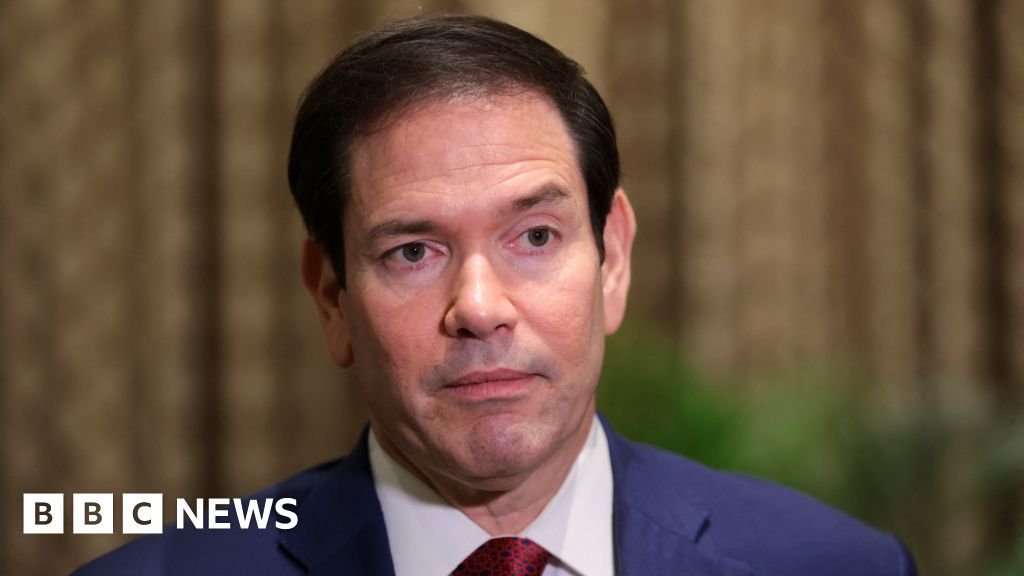
NEW DELHI — US Secretary of State Marco Rubio concluded his second official visit to India this year with a clear message: the future of the Indo-US strategic partnership is increasingly anchored in robust commercial synergy and energy security. Eschewing the traditional, often protracted diplomatic protocols that define such high-level trips, Rubio’s itinerary was marked by a relentless focus on unlocking bottlenecks in trade and deepening cooperation in the critical energy sector.
The visit underscores a shift in how Washington perceives its most vital South Asian partner. Rather than viewing the relationship strictly through the lens of regional security or defense hardware procurement, the Secretary of State’s agenda signaled an urgent move toward integrating supply chains and leveraging India’s burgeoning domestic market as a cornerstone for long-term economic resilience.
A Pivot Toward Economic Realignment
During a series of closed-door meetings with senior Indian ministers and captains of industry, Rubio emphasized the necessity of a “commerce-first” diplomatic framework. As Washington looks to diversify its manufacturing base away from China, India has emerged as a primary candidate for “friend-shoring.”
“Our relationship is no longer merely transactional; it is foundational,” an aide traveling with the Secretary noted, reflecting on the discussions held at the Ministry of External Affairs. Rubio reportedly urged Indian policymakers to expedite reforms in land acquisition and labor laws, citing these as the final barriers preventing a surge in American capital inflow into the Indian manufacturing landscape.
The talks also touched upon the removal of lingering trade irritants, such as intellectual property rights and specific tariff structures that have historically hampered the entry of US tech firms into the Indian ecosystem. By prioritizing these friction points, Rubio aim to cement a trade environment that facilitates a more seamless exchange of innovation and capital.
Energy Security as a Diplomatic Bridge
Beyond commerce, the energy sector dominated the diplomatic discourse. With India navigating a delicate path between its climate goals and the urgent need to power its rapidly industrializing economy, the US has positioned itself as an essential partner.
Rubio’s discussions involved high-level talks on the expansion of clean energy projects, with a particular emphasis on civil nuclear cooperation. The Secretary advocated for the acceleration of long-stalled US-India nuclear power projects, which have been bogged down by liability disputes for over a decade. By framing energy independence as a matter of national security, Rubio sought to elevate the issue above the bureaucratic gridlock that has stalled previous agreements.
Furthermore, the focus included securing reliable supply chains for critical minerals, which are essential for the global shift toward electric vehicles and renewable energy. India’s strategic location and its efforts to incentivize domestic mining and processing were central to these deliberations, with both nations exploring a framework to reduce dependence on non-market actors for raw material security.
Looking Ahead: A Pragmatic Partnership
The significance of Rubio’s rapid return to New Delhi cannot be overstated. By centering the dialogue on energy and business, the Biden administration is signaling to both domestic stakeholders and international observers that the Indo-US partnership is moving toward a mature, outcome-oriented phase.
While the two nations continue to coordinate closely on regional stability and counter-terrorism, the current diplomatic trajectory suggests that the real success of the alliance will be measured in gigawatts of power produced, volume of goods traded, and the degree of economic integration achieved before the decade’s end. As Rubio departed, the sentiment in both capitals remained focused on translating this intensified economic focus into tangible policy shifts that benefit the citizens of both nations.
Disclaimer: This content is auto-generated for informational purposes only.
Source: Read Original News