








India Pivots to Global Tech Powerhouse: Insights from NDTV World Summit 2026
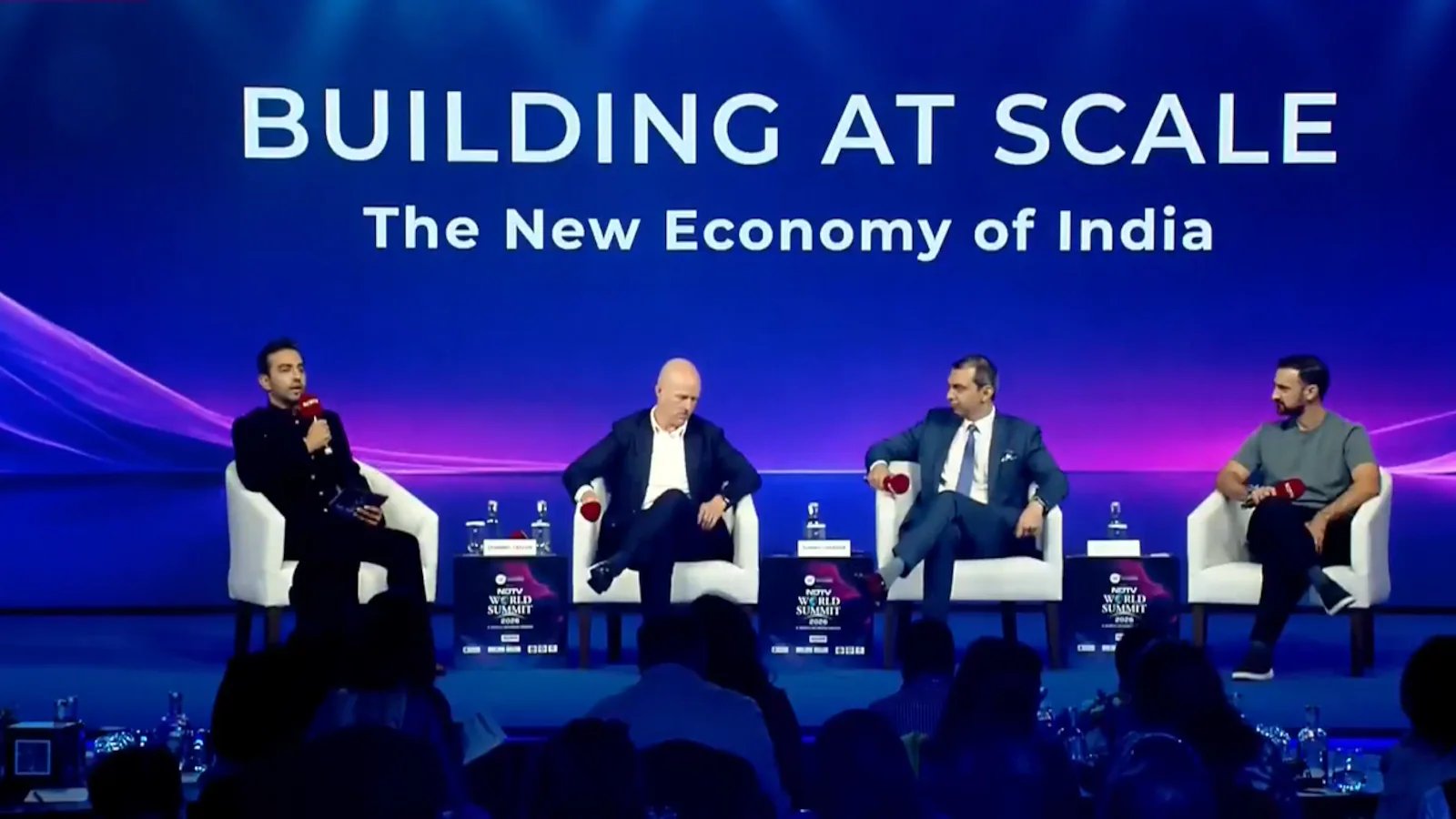
The Indian industrial landscape is undergoing a profound transformation, shifting its primary focus from traditional product manufacturing to becoming a global hub for sophisticated research, software development, and deep-tech innovation. This strategic pivot was the central theme at the NDTV World Summit 2026, where industry titans from Microsoft, Nothing, and Uber gathered to discuss how India’s vast technical talent pool and evolving digital infrastructure are positioning the nation as a cornerstone of their future growth strategies.
The New Frontier of AI and Digital Infrastructure
For Microsoft, the strategy in India is moving beyond mere infrastructure investment. Puneet Chandok, President of Microsoft India and South Asia, emphasized that the true competitive advantage for modern firms no longer lies in relying on a single dominant AI model. With dozens of new models entering the ecosystem monthly, Chandok argued that the real value proposition rests on “context and judgment.”
“Your moat is your ability to make AI work within your own business context,” Chandok explained. He stressed that India’s unique advantage is its robust digital public infrastructure, which allows for the large-scale deployment of services. From AI-driven tutors in remote villages to advanced healthcare diagnostics and financial advisory tools for neighborhood kirana stores, Microsoft envisions India as the proving ground for “sovereign solutions” that bridge the gap between complex tech and grassroots accessibility.
As part of a massive $20.5 billion investment commitment, Microsoft has already trained 10 million individuals in AI, with a goal to reach 20 million by 2030, a move aimed at fueling the nation’s entrepreneurial fire.
Moving Beyond Assembly: The ‘Designed in India’ Ambition
While India has long been a manufacturing powerhouse, companies like Nothing are now eyeing a transition toward intellectual property creation. Akis Evangelidis, co-founder of Nothing, noted that while 99% of their smartphones are already made in India, the next phase involves shifting R&D, design, and software development to local soil.
“We are currently in the planning phase of bringing our software development out of India,” Evangelidis said. He pointed out that the convergence of top-tier engineering talent, intense consumer demand for high-spec technology, and favorable government policies makes India the ideal incubator for the company’s next generation of hardware and digital design. For Nothing, the smartphone will continue to serve as the gateway to an AI-agent-led future, and they intend for that intelligence to be built by Indian minds.
Adaptive Growth: Scaling Mobility in a Unique Market
The mobility sector, represented by Uber, highlighted the necessity of localization. Dominic Taylor, Uber’s regional head for Asia-Pacific, shared how the company moved away from a “one-size-fits-all” model to prioritize affordability and accessibility. By integrating auto-rickshaws, motorbikes, and metro-rail connectivity into their platform, Uber has managed to serve segments of the population that were previously priced out of traditional ride-hailing.
While Uber continues to push forward with autonomous vehicle pilots in markets like Tokyo, the company remains cautious about the timeline for bringing such technology to India. The focus for now remains on operational reliability and ensuring a sustainable income for driver-partners, reflecting the company’s commitment to growing alongside the local regulatory and economic realities.
As these global giants double down on their Indian operations, the message from the summit is clear: India is no longer just a market for consumption or a low-cost manufacturing base. It is rapidly evolving into a laboratory for global innovation, where the next generation of software, AI, and digital services will be forged.
Disclaimer: This content is auto-generated for informational purposes only.
Source: Read Original News