







The Susanville Indian Rancheria’s business arm, ATI Government Solutions, has launched a high-stakes legal battle against the Small Business Administration (SBA), accusing the federal agency of a “brazen abuse of power” triggered by social media influence rather than due process. The lawsuit, filed in the U.S. District Court for the District of Columbia, claims the SBA’s decision to suspend the company from federal contracting—a move that has cost the tribe nearly $130 million—was based on misleading, heavily edited video content rather than a formal investigation.
## A Suspension Driven by Social Media
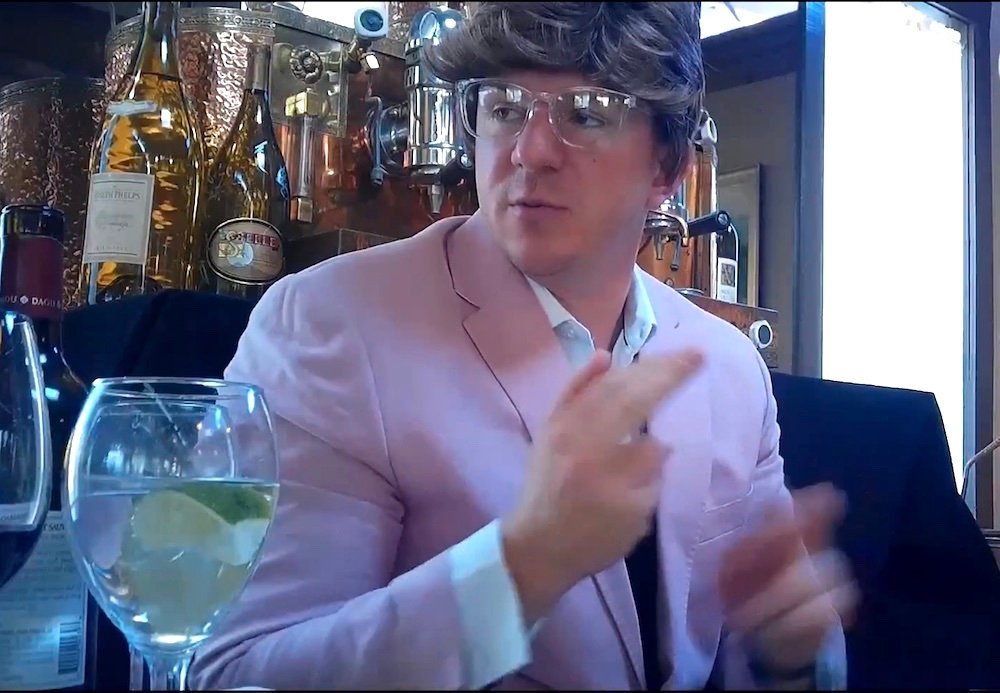
The legal conflict stems from an October 2025 release of hidden-camera footage by activist James O’Keefe, which alleged that ATI was improperly funneling federal work to non-tribal entities. Within hours of the video’s appearance on social media, SBA Administrator Kelly Loeffler publicly amplified the claims and announced an investigation. By the following day, the agency had suspended ATI and three of its executives from all federal contracting—a summary action taken without a single interview, document request, or verification of the source material.
The lawsuit highlights a troubling reliance on digital media for government decision-making. Court filings reveal that the SBA’s internal record for the suspension consisted largely of printouts from government databases and links to YouTube videos. Crucially, an SBA attorney later admitted that the agency never obtained unedited versions of the footage, relying instead on public-facing, potentially manipulated clips.
## Due Process Deficiencies
The plaintiffs argue that the SBA’s internal procedures failed to meet even the most basic standards of administrative fairness. In an appeal regarding the company’s 8(a) program status, Administrative Judge Christopher Holleman delivered a stinging rebuke of the SBA’s methodology. He noted that the agency had no evidence to support the claims made by an employee in the video and had frequently shifted its legal justifications for the suspension to avoid accountability.
While the SBA ultimately lifted the 8(a) suspension in June following the judge’s intervention, it has maintained the broader, more damaging ban on general federal contracting. In October, the agency extended that exclusion for an additional six months. The result has been the systematic dismantling of a tribal enterprise, with ATI reporting that it has been forced to lay off almost its entire workforce of 67 employees.
## The Impact on Tribal Economic Sovereignty
Industry advocates warn that this case sets a dangerous precedent for how federal agencies interact with Native American businesses. Quinton Carroll, executive director of the Native American Contractors Association, noted that while the industry welcomes oversight, the SBA’s failure to substantiate its claims has broad consequences.
“Prolonged exclusion from the federal marketplace can directly affect the Tribal and Native communities these businesses serve,” Carroll explained. By cutting off revenue streams that fund tribal social services and infrastructure, the agency’s actions have moved beyond the boardroom and into the daily lives of the Susanville Indian Rancheria members.
The lawsuit requests that the court intervene to overturn the remaining suspensions, arguing that the agency’s reliance on third-party inflammatory videos constitutes an overreach that ignores the economic realities of tribal contracting. ATI continues to deny all allegations of improper pass-through operations or violations of federal subcontracting limits. When contacted for comment, the SBA stated that it does not discuss ongoing litigation. As the case proceeds in Washington, D.C., it remains a pivotal test of how much weight federal regulators should place on viral online content when deciding the survival of government contractors.
Disclaimer: This content is auto-generated for informational purposes only.
Source: Read Original News