








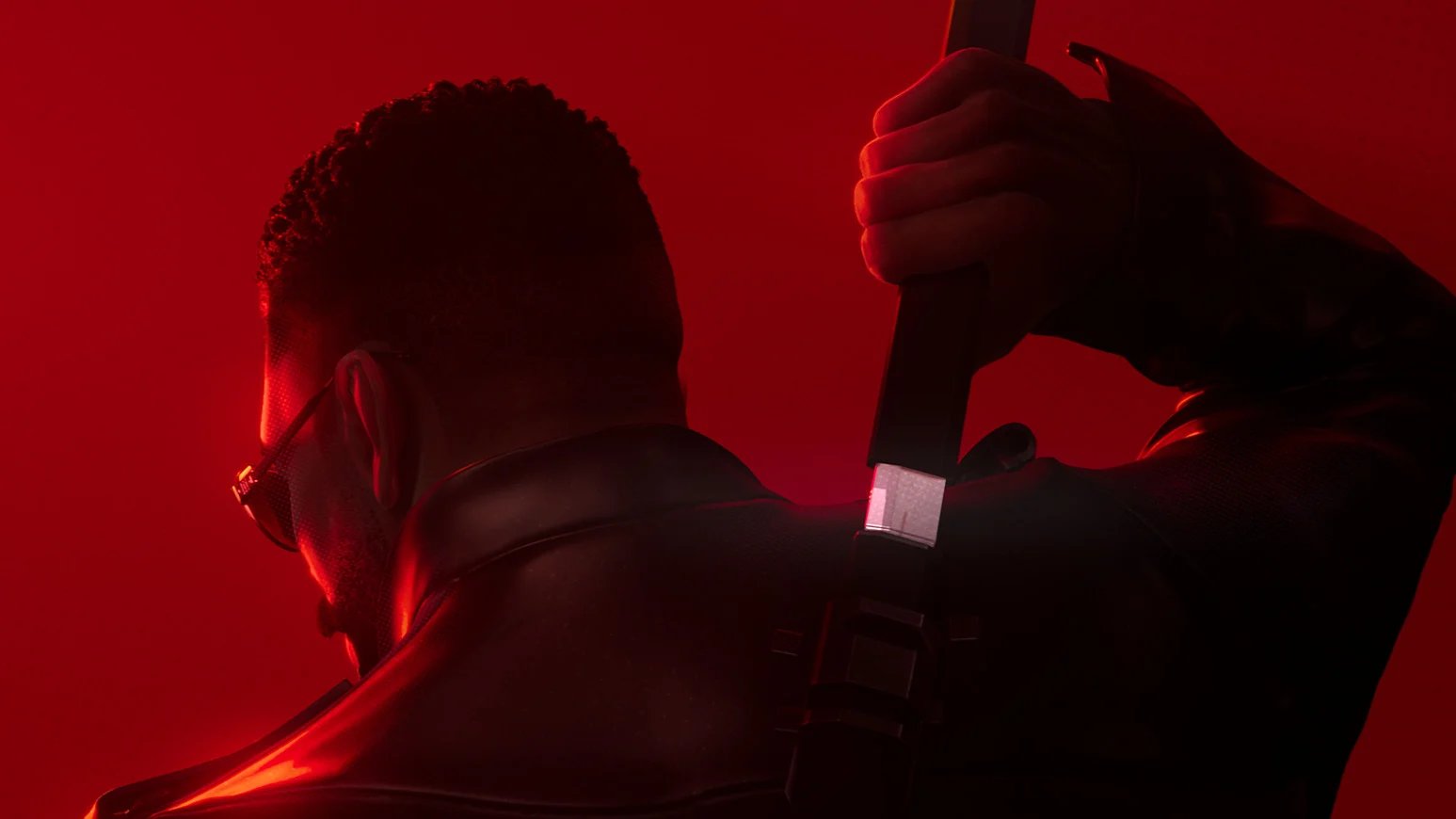
The Imminent Deadline for Arkane Lyon
Arkane Lyon, a pillar of modern immersive simulation game design, is currently navigating a narrow window of survival. Recent reports indicate that the French studio has until November 13th to secure a buyer or face permanent closure. This situation arises from a complex restructuring process initiated by Microsoft’s gaming division, which acquired the studio as part of the ZeniMax Media purchase in 2021. Under French labor regulations, large corporations operating within the country are legally mandated to exhaust efforts to divest or sell a business unit before proceeding with mass redundancies. This statutory three-month period, which allows for the exploration of potential acquisitions, is reaching its conclusion, placing the future of 217 employees at risk.
The studio has been in a state of suspended animation since July, when Xbox announced a sweeping strategic reset across its internal development teams. While other studios like Undead Labs have transitioned to employee-owned structures and entities like Double Fine and Compulsion Games have been spun off, Arkane Lyon remained in a holding pattern. The countdown to mid-November represents the final phase of this regulatory requirement, leaving a brief window for external investment to potentially salvage the studio and its ongoing projects.
The Technical and Creative Legacy of Arkane
Arkane Lyon is widely regarded for its contributions to the immersive sim genre, characterized by intricate level design, emergent gameplay, and non-linear problem solving. Titles such as Dishonored and Deathloop demonstrated a high degree of technical proficiency in artificial intelligence, physics-based interactions, and reactive game systems. These games provide players with a diverse set of tools to navigate complex environments, encouraging experimentation and multiple pathways to completion.
This design philosophy is not merely about aesthetic choice; it involves complex programming that allows systems to interact in unpredictable ways. By fostering an environment where player choice fundamentally alters the game world, Arkane has maintained a high level of critical prestige. The potential loss of a development house with such a specialized focus on system-driven gameplay would represent a significant contraction of expertise within the wider gaming industry, particularly as the demand for high-fidelity, sandbox-style experiences continues to grow.
The Uncertain Status of Marvel’s Blade
Central to the discourse surrounding the studio’s closure is the fate of its current project, Marvel’s Blade. Announced at the 2023 Game Awards, the title was intended to be a major flagship release for Xbox, designed to compete with the high-production value superhero games currently dominating the market. However, internal reports suggest that Microsoft has contemplated canceling the project entirely as part of its broader divestment strategy.
Union representatives representing the developers have issued statements arguing that the project is significantly advanced in its development lifecycle. Describing the game as “nearing the end,” these representatives have noted that halting production now would constitute a loss of significant intellectual and technical capital. Should the studio be shuttered, the status of the assets, engine code, and design documentation remains unclear. For the gaming industry, the cancellation of a high-profile title in the final stages of production is often viewed as a failure of project management, as the technical debt and sunken costs become irreparable.
The Role of Founder Intervention and Industry Shifts
A notable development in this unfolding narrative is the public inquiry from Arkane’s original founder, Raphael Colantonio, regarding the potential cost of buying back the studio from Microsoft. While the logistics of such an acquisition are fraught with financial and contractual complexities, the suggestion highlights a growing trend of industry veterans attempting to preserve independent development cultures.
The wider context of these closures reflects a broader consolidation trend in the technology sector. In recent years, companies have moved to prioritize short-term profit margins and platform-exclusive efficiency over the retention of long-term creative studios. As Xbox reshapes its internal architecture, the divestment of studios like Arkane Lyon signals a shift away from diverse internal production pipelines toward a more concentrated model of game development. This transition carries the inherent risk of losing legacy talent and the unique institutional knowledge required to build sophisticated, system-heavy titles.
Impact on the Gaming Ecosystem
The potential closure of Arkane Lyon serves as a case study for the fragility of mid-to-large-scale development studios in the current economic climate. Beyond the immediate loss of jobs, the closure would result in the dissipation of a unique development methodology. The transition from large, corporate-owned studios to smaller, independent entities is an attempt to mitigate these risks, but it is not a guaranteed solution for every development house.
For the players and the industry at large, the next few weeks are critical. If a buyer does not emerge by the November 13th deadline, the closure of Arkane Lyon will be finalized. This outcome would not only leave the future of Marvel’s Blade in doubt but also underscore the volatility of the current gaming landscape, where even established and critically acclaimed studios are subject to rapid organizational dissolution when they no longer align with a parent company’s shifting portfolio requirements. The coming days will determine whether the studio can find a new home or if another storied name in game development will be relegated to history.
Disclaimer: This content is auto-generated for informational purposes only.
Source: Read Original News