








The Strategic Pivot: Indo-German Industrial Collaboration
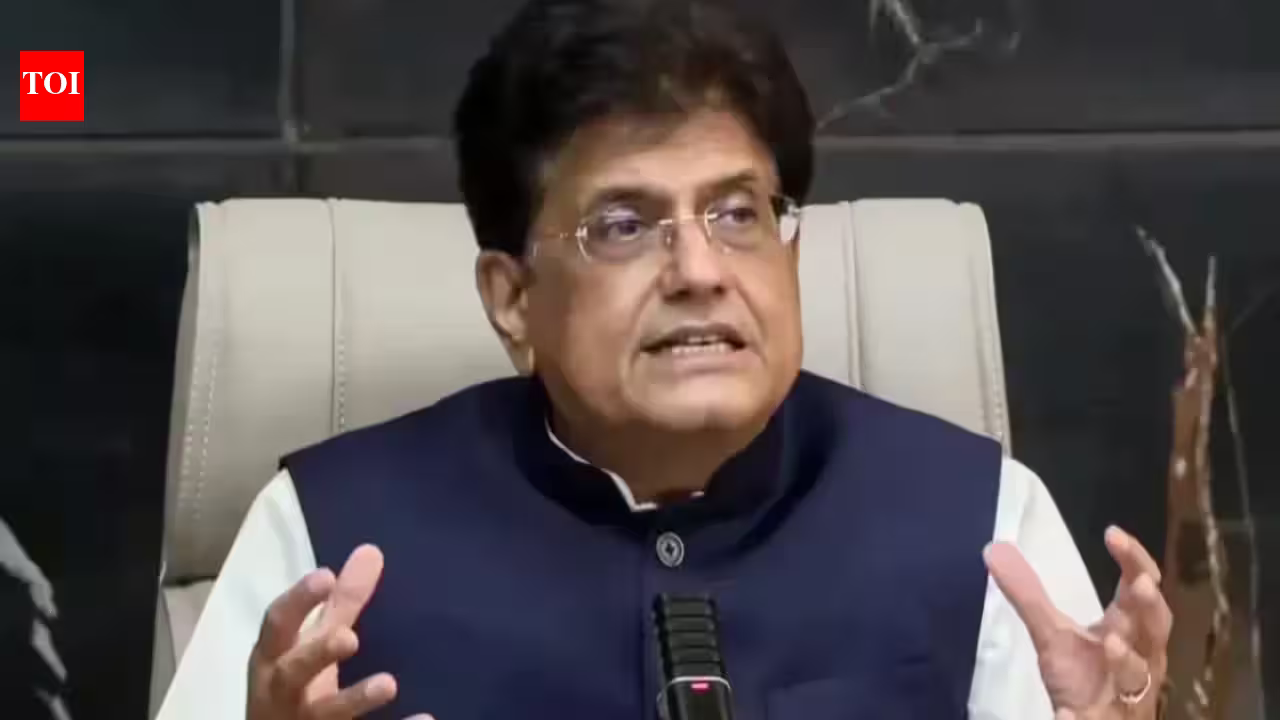
The shifting landscape of global manufacturing is currently witnessing a realignment of supply chains that favors emerging economies with stable regulatory frameworks and expanding industrial capacity. Recent high-level engagements between India and Germany underscore this trend, as European firms increasingly view India not merely as a burgeoning consumer market, but as a critical node in their global production networks. Commerce and Industry Minister Piyush Goyal’s recent visit to Germany and the Netherlands serves as a catalyst for this transformation, highlighting the convergence of German technical prowess with India’s manufacturing ambitions.
For German companies, the rationale for this pivot is rooted in necessity. Faced with rising domestic energy costs, stringent regulatory burdens, and an aging workforce within the European Union, German enterprises are actively seeking to diversify their operational footprint. India, characterized by its large pool of skilled labor, improving logistics infrastructure, and a robust push toward self-reliance through initiatives like Make in India, is positioned as a primary destination for this capital migration. The commitment of $7.4 billion in announced investments from German firms signals that this transition is already well underway, moving beyond policy rhetoric into concrete implementation.
Sectoral Synergies in Precision and Defence
The investment interest from Germany is heavily concentrated in high-value, high-precision sectors. Germany is globally renowned for its leadership in precision engineering, aerospace, and advanced manufacturing. As India seeks to modernize its defence infrastructure and expand its shipbuilding capabilities, the infusion of German technology and operational expertise creates a synergistic environment.
In the aerospace and defence sectors, German involvement promises to accelerate the indigenization of critical components. India’s push to achieve self-reliance in defence requires access to sophisticated manufacturing processes, a domain where German companies excel. Furthermore, the interest in pharmaceuticals and healthcare research and development highlights a desire to leverage India’s cost-efficient scientific talent. By establishing R&D centers in India, German companies can bridge the gap between innovation and market entry, utilizing India as a base to serve both the domestic populace and the broader global market. This collaborative model essentially transforms India from a provider of low-cost labor into a partner in technical innovation.
The “China Plus One” and Europe’s Regulatory Realities
Global trade dynamics are undergoing a structural shift as multinational corporations adopt the “China Plus One” strategy to mitigate supply chain risks. While Southeast Asia has been a traditional beneficiary of this policy, India is increasingly capturing the attention of European heavyweights due to its scale and its commitment to improving the Ease of Doing Business. Piyush Goyal’s comments regarding the “regulatory overhang” in Europe highlight a crucial market driver: the rising cost of production in the Eurozone.
As compliance costs increase within the EU, German manufacturers are forced to optimize their cost structures to remain competitive on the global stage. India offers a competitive alternative, characterized by favorable production costs and a growing ecosystem of component suppliers. The presence of over 2,000 German companies already operating in India provides a proven template for new entrants. These firms have navigated the Indian regulatory environment and established local supply chains, lowering the barrier to entry for prospective investors. The cumulative FDI equity inflow of $15.6 billion since 2000 is a testament to the long-term confidence that German industry places in the Indian economic trajectory.
Scaling the Automobile and Export Ecosystem
Perhaps the most significant development is the potential for India to emerge as an export base for the automotive industry. Germany has historically defined global automotive engineering, but the shift toward electric vehicles (EVs) and smart mobility requires a total rethink of assembly lines and component sourcing. By integrating India into their global automotive value chains, German car manufacturers can leverage the country’s engineering talent to develop both EV components and affordable internal combustion engine models that meet international standards.
This integration would require significant upgrades in local logistics and ports, but the focus on shipbuilding and infrastructure suggests that these challenges are being addressed. If India successfully scales its capacity to act as a global automotive hub, it will create a multiplier effect on the domestic economy. This involves not only the large assembly plants but also an extensive network of small and medium-sized enterprises (SMEs) that form the backbone of the automotive supply chain. This vertical integration is essential for creating the job opportunities required to sustain India’s demographic dividend.
Challenges and the Path Forward for Sustainability
While the enthusiasm between Berlin and New Delhi is palpable, sustained growth in these industrial collaborations depends on overcoming persistent challenges. Investors are inherently cautious regarding land acquisition, labor law complexity, and the consistency of policy implementation across various Indian states. For the planned investments to materialize fully, the Indian government must ensure that the “Ease of Doing Business” is not just a national metric but a lived reality for German SMEs that may lack the resources of large multinationals to navigate bureaucratic friction.
Additionally, as European firms face increasing pressure to adopt green manufacturing practices, India’s progress in renewable energy will be a deciding factor for future investments. Germany’s focus on sustainability means that German companies will prioritize operations that align with their decarbonization targets. Integrating green energy solutions into industrial zones and ensuring a reliable supply of clean power will be essential to attract high-end manufacturing.
The Indo-German partnership is currently at a turning point. Moving beyond traditional trade, the focus is now on deep-seated industrial cooperation. As German firms look outward to secure their future competitiveness, India is providing the infrastructure, talent, and scale required to sustain that ambition. If current trends continue, the synergy between German engineering and Indian manufacturing capacity will likely redefine the industrial landscape of both nations over the next decade. The $7.4 billion in announced investments should be viewed as a down payment on a much broader, long-term strategic integration that positions India as a cornerstone of European industrial strategy.
Disclaimer: This content is auto-generated for informational purposes only.
Source: Read Original News