





The Magnitude of the Jio Platforms IPO
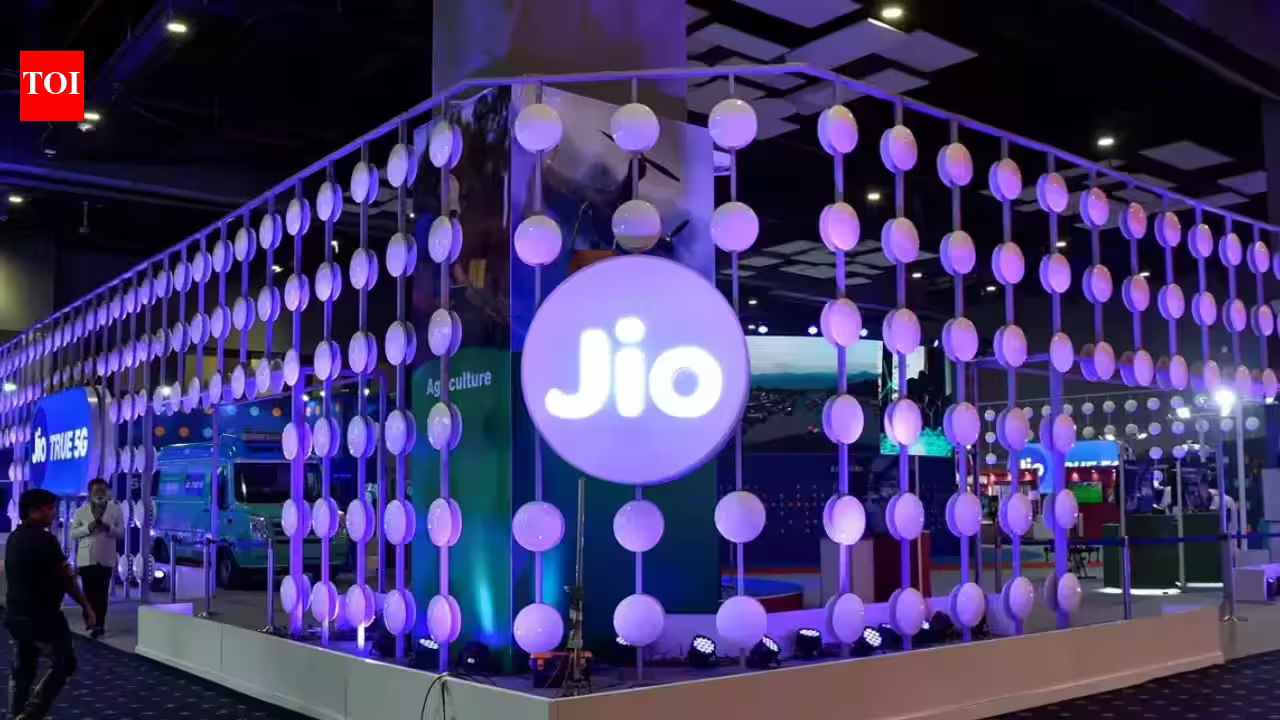
The initial public offering of Jio Platforms has set a monumental benchmark in global capital markets, officially becoming the first public issue to surpass one crore individual applications. This achievement is not merely a quantitative milestone; it represents a fundamental shift in the landscape of Indian equity markets. By securing over $14.5 billion in total demand against a $3.2 billion offering, Jio Platforms has signaled a robust confidence in the digital infrastructure model that has defined the company’s trajectory over the past decade.
For the Indian investment community, the subscription levels—reaching over six times the shares on offer by the final day—reflect a transition toward digital-first, high-growth assets. Historically, large-scale IPOs in India faced skepticism regarding valuation and long-term viability. However, the record-breaking participation suggests that domestic retail investors, alongside sophisticated institutional players, view Jio Platforms as a foundational component of the nation’s digital economy. The rapid subscription, occurring within just two hours of opening, serves as an indicator of a highly mature and eager market environment, moving away from the cautious, wait-and-watch approach typically observed in earlier decades of Indian financial history.
Strategic Anchors and Institutional Confidence
A key driver behind this record-breaking reception is the sophisticated participation of global anchor investors. When shares reserved for institutional investors receive bids exceeding $25 billion, it underscores the international belief in the scalability of Jio’s ecosystem. The inclusion of heavyweights such as the Abu Dhabi Investment Authority, BlackRock, and Fidelity provides a layer of validation that transcends domestic sentiment. These institutions do not merely chase trends; they conduct extensive due diligence on the utility of artificial intelligence integrations, network infrastructure density, and data monetization strategies.
This level of institutional backing creates a stabilizing effect on the stock price post-listing. By securing long-term capital from such entities, Jio Platforms minimizes the volatility often associated with mega-IPOs. Furthermore, the presence of Google and Meta as existing strategic investors provides a unique competitive advantage. It bridges the gap between traditional telecom service provision and modern digital services. This hybrid positioning allows investors to treat Jio Platforms not just as a utility company, but as a technological gateway into the lives of over 500 million Indian users.
The Macroeconomic Impact of Digital Dominance
To understand the valuation of $108.3 billion, one must analyze the broader impact of Jio Platforms on the Indian digital landscape. Since its inception, the company has played a pivotal role in the reduction of data costs, which in turn accelerated the adoption of smartphones across tier-2 and tier-3 cities in India. This widespread connectivity has birthed an entire economy of digital commerce, entertainment, and financial technology platforms.
The IPO serves as a litmus test for the valuation of technology-heavy businesses within the Indian context. As artificial intelligence becomes central to the discourse of modern enterprise value, investors are shifting their focus toward companies that possess both high-quality data and the infrastructure to leverage it. Jio Platforms occupies this exact intersection. The scale of the IPO demonstrates that the Indian market is now fully capable of absorbing and supporting the largest listings in the world, provided the underlying narrative is backed by significant user penetration and a clear roadmap for monetization through digital services.
The Role of Reliance Industries in Sustained Growth
An essential element of the narrative is the corporate lineage of Jio Platforms. As a subsidiary of Reliance Industries, the company benefits from a legacy of capital allocation that has historically prioritized long-term wealth creation. Data shows that Reliance Industries has delivered approximately 900% returns since 2006, comfortably outperforming the Nifty benchmark. For a large demographic of Indian retail investors, the decision to invest in this IPO is partly a vote of confidence in the management under Mukesh Ambani and the transition of leadership to the next generation, led by Akash Ambani.
This cultural trust is an intangible asset that differentiates Jio Platforms from other global technology IPOs. While western markets often evaluate IPOs based on quarterly burn rates and immediate product-market fit, Indian investors often evaluate the strength of the conglomerate umbrella and the promise of a persistent, multi-generational business cycle. The record-breaking number of applications suggests that retail investors feel secure in associating their capital with the broader Reliance framework, viewing it as a core holding that anchors their portfolio against the inherent volatility of the equity markets.
Challenges and Future Outlook
Despite the overwhelming success of the offering, the company will face increased scrutiny as a publicly traded entity. The sheer size of the company by market capitalization ensures that it will immediately command significant weight in domestic indices. Consequently, its performance will be analyzed against its ability to maintain growth amidst saturation in the mobile network segment. The shift toward higher-value digital services and AI-driven revenue streams will be the primary metric by which analysts judge the company’s success in the coming years.
Moreover, the regulatory landscape regarding telecommunications and digital data privacy in India remains dynamic. Jio Platforms will need to navigate these challenges while continuing to provide consistent returns to its diverse shareholder base. The record-breaking IPO is only the first phase of this journey. The real test will lie in the company’s ability to turn its massive user base into a highly profitable ecosystem that creates value beyond the initial frenzy of the public offering. As trading begins on October 28, the company will be watched not just as an Indian giant, but as a global barometer for the sustainability of digital-heavy public market entrants in an era of intense artificial intelligence investment and market volatility.
Disclaimer: This content is auto-generated for informational purposes only.
Source: Read Original News