







The global surge in artificial intelligence development is triggering an unprecedented “power crunch,” setting off a high-stakes collision between rapidly expanding digital infrastructure and the physical limits of global base metal production. According to new research from Wood Mackenzie, the race to build data centers is outpacing the mining sector’s ability to supply the copper, aluminum, and nickel necessary for the electrical grids that support them.
The infrastructure required to power AI—including substations, high-voltage transmission lines, and transformers—is far more metal-intensive than the data centers themselves. As electricity consumption from AI-driven facilities is projected to increase fivefold by 2030, the demand for the foundational materials of the energy transition has reached a critical inflection point, creating structural deficits that current mining project pipelines are struggling to bridge.
## A Growing Disconnect Between Demand and Supply
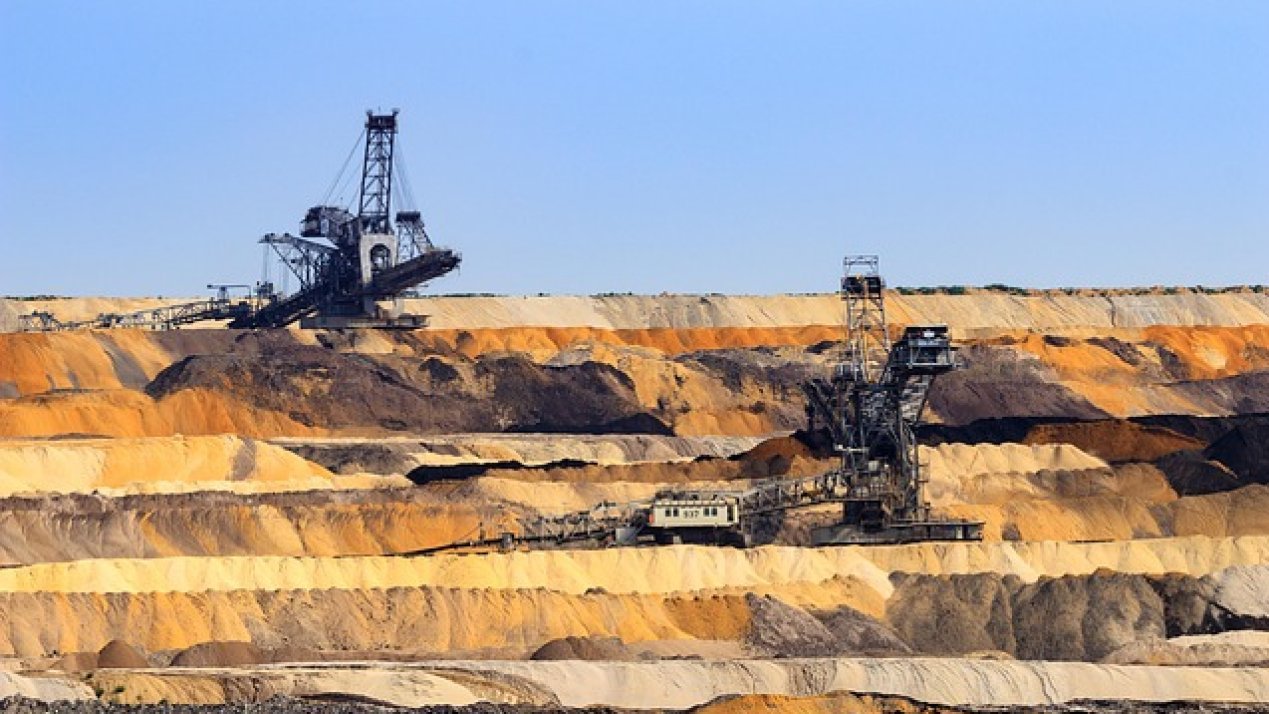
While the AI boom drives the appetite for raw materials, the mining industry faces significant “operational friction.” High commodity prices have historically incentivized new project approvals, but this cycle is failing to materialize. Current market conditions are plagued by a combination of lengthy permitting processes, geopolitical uncertainty, and a decline in ore grades that forces companies to process more material just to maintain current output levels.
In the copper market, this friction is particularly acute. The global industry needs to add roughly 850,000 tonnes of greenfield copper supply annually to avert a long-term shortfall. Currently, inventory imbalances are stark, with significant stockpiling in the U.S. leaving the rest of the world with fewer than 50 days of supply. Similar deficits are rippling through aluminum and nickel markets, driven by geopolitical instability and regional output disruptions, leaving industrial consumers scrambling to secure reliable procurement channels.
## The Bottleneck: Infrastructure and Grid Stability
The integration of AI technology into the energy sector is not just a demand-side issue; it is a hurdle for project deployment. In many regions, the timeline for upgrading electrical grids—often taking up to a decade—is vastly slower than the five-year average for building a data center.
This gap has forced technology operators and industrial producers to look toward off-grid solutions, including microgrids and independent power generation, to keep projects on track. In Mexico, for example, developers are facing the dual challenge of navigating regulatory approval timelines while grappling with local grid stability issues. These physical constraints are causing mining operations to adopt a more measured, phased approach to scaling their operations, ensuring that the integration of new tech does not compromise the integrity of their power supply.
## Operational Transformation via AI
To counteract stagnant supply and rising extraction costs, mining operators are increasingly pivoting toward digital transformation. AI and process automation are being deployed to optimize yields and improve asset utilization. However, industry leaders emphasize that technology is only as effective as the data governance supporting it.
Experts note that before AI can drive efficiency, miners must resolve internal data fragmentation between geology, planning, and maintenance departments. Successful implementation requires more than just high-end software; it demands a cultural shift. As mining companies invest heavily in digital tools, the focus is moving toward change management—ensuring that field operators are trained to bridge the gap between algorithmic recommendations and physical site variability.
Ultimately, the consensus among industry leaders is that the future of mining lies in an incremental adoption of AI. By starting with process monitoring and advisory tools, firms can slowly build the structural foundations needed for full-scale autonomy, ensuring that the “digital mine” can survive in an increasingly volatile global commodity market.
Disclaimer: This content is auto-generated for informational purposes only.
Source: Read Original News