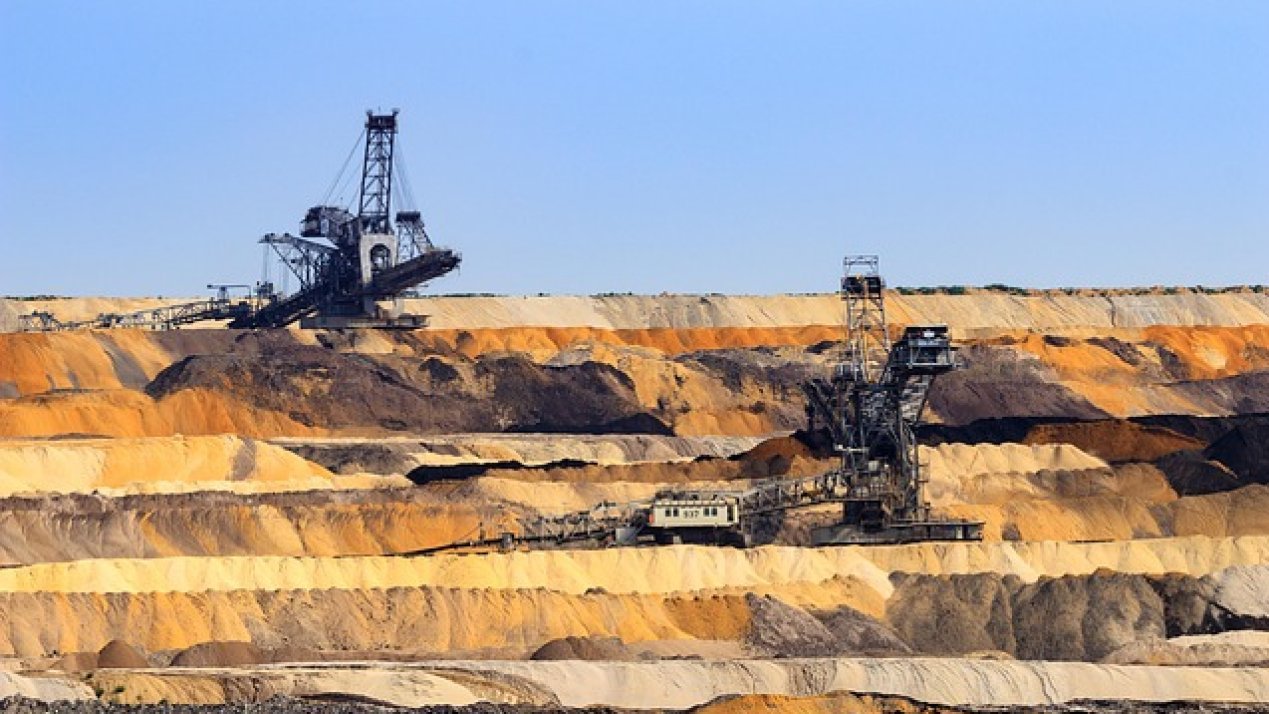








Mexico’s mining sector is currently navigating a period of profound structural adjustment, characterized by a dual-track strategy from federal authorities. While the government is actively clearing administrative bottlenecks to unlock US$2.7 billion in capital projects, it is simultaneously tightening the environmental leash, imposing strict prohibitions within protected natural areas. This shift forces industry leaders to balance high commodity-driven profits with a rapidly evolving, and increasingly complex, regulatory landscape.
Regulatory Overhaul and Environmental Compliance
The Ministry of Environment and Natural Resources (SEMARNAT) has effectively closed the door on mining within federally protected zones. This new decree is not merely forward-looking; it is being applied retroactively to pre-2023 concessions. The policy shift elevates the authority of the National Commission of Natural Protected Areas (CONANP), making its technical assessments legally binding. For operators currently positioned within these zones, the pressure is immediate: firms are now required to submit comprehensive mine closure and restoration plans within a 15-day window.
Beyond protected zones, the legal environment is becoming more rigorous. Legal experts note that a major overhaul of the General Law on Ecological Equilibrium and Environmental Protection (LGEEPA) is on the horizon. This proposed framework aims to eliminate “automatic” administrative approvals and expand the definitions of protected territories. For companies, this necessitates a move away from reactive permitting and toward a strategy of proactive, preventative compliance. Despite these hurdles, the federal government has successfully resolved roughly 85% of pending permit applications, demonstrating an intent to stimulate the industry provided it adheres to these modernized environmental standards, including updated waste management protocols like NOM-157.
Financial Performance and Operational Realities
The sector remains a primary economic engine, as evidenced by the recent performance of major players like Grupo México. The company reported a 56% surge in net profits to US$2 billion for the third quarter, fueled largely by a 38% revenue increase. However, the results highlight a critical disconnect between price and output: despite favorable global metal prices, Grupo México saw a 1.9% dip in copper production due to international operational constraints, forcing a reduction in its full-year guidance to 1.026 million metric tons.
In the exploration space, firms continue to find success through intensive drilling. Capitan Silver recently reported promising results from its Cruz de Plata project in Durango, identifying high-grade carbonate replacement deposits that extend existing mineralization significantly. By deploying additional drill rigs, the firm is banking on the scale of its discoveries to offset the rising costs of regulatory compliance.
The Role of Data Governance in Mining Technology
As the industry faces mounting pressure to demonstrate environmental stewardship, the role of data and artificial intelligence (AI) has become central to operational continuity. However, experts like Elio Céspedes Bravo of Datamine emphasize that the true value of AI in mining is not found in the algorithms themselves, but in the quality of the data underpinning them.
Because mining operations often struggle with fragmented information silos, companies are increasingly investing in robust data governance frameworks. These systems are essential for integrating environmental impact assessments with real-time operational data. By treating data as a foundational asset, mining firms can better align their technological investments with the strict reporting requirements mandated by the government. Whether it is optimizing extraction to reduce environmental footprints or ensuring transparency in restoration efforts, the future of the sector relies on the ability to translate complex, disconnected data into actionable insights that satisfy both the bottom line and the regulatory auditor. For the modern mining enterprise, technical sophistication is no longer a luxury—it is a requisite component of the license to operate.
Disclaimer: This content is auto-generated for informational purposes only.
Source: Read Original News