









Advanced Activity Detection and Contextual Intelligence
Google Health 5.11 represents a significant milestone in the evolution of wearable fitness tracking. The update introduces a robust improvement to automatic activity detection, expanding the system’s capability from a baseline of 10 supported exercises to an impressive catalog of 100 distinct activities. This upgrade encompasses a wide range of movements, including specialized strength training routines, swimming disciplines, racket sports, and various team-based athletic activities.
The technology behind this expansion relies on advanced contextual reasoning. Rather than relying solely on simplistic motion sensors, the system now synthesizes historical data, user-defined workout routines, and individual manual edits. By factoring in these personal variables, the platform achieves nearly double the detection accuracy compared to previous versions. This intelligent filtering effectively cuts the frequency of missed workout logs by more than half. Once an activity meets the default 15-minute duration threshold—coupled with sustained heart rate elevation—the system automatically logs the event and pushes a summary to the Google Health app within 30 minutes. Over time, the device learns specific user patterns, allowing it to refine future predictions based on confirmed data entries.
Expanding the Health Guardian Suite
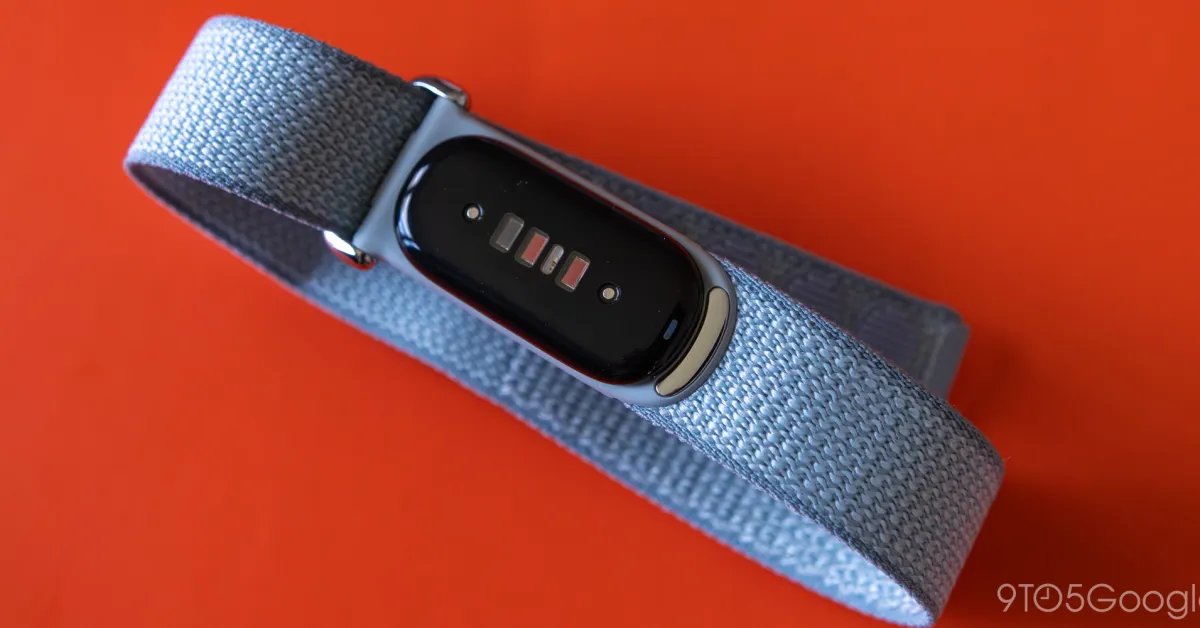
For subscribers of Google Health Premium, the update introduces the Health Guardian feature set on the Fitbit Air and the upcoming Fitbit Edge. These tools focus on long-term physiological monitoring, specifically targeting blood pressure and insulin resistance. The system is designed to identify subtle shifts in health trends before they become clinical concerns.
Blood pressure trends utilize the sensor array on the Fitbit Air to map patterns that may contribute to cardiovascular strain. Access to these insights requires a baseline of at least five consecutive days of usage during the month of October. Similarly, insulin resistance trends provide a comprehensive view of metabolic shifts. This data analysis requires seven days and nights of consistent wear. These metrics are processed within the Health Guardian section of the Health tab, providing users with actionable reports designed to facilitate more informed discussions with healthcare professionals.
Refining Metabolic and Glucose Management
Google is centralizing its metabolic health ecosystem by rebranding “Blood Glucose” as “Glucose” across the entire application interface. This change is accompanied by refined data visualization tools, including updated charts and graphs designed to make complex metabolic data easier to interpret.
A primary technical enhancement involves the introduction of custom time-in-range goals. Users with connected continuous glucose monitors can now define specific thresholds within the Metabolic section of the app. This allows for personalized management strategies tailored to individual metabolic targets. Furthermore, the integration with Lingo by Abbott has been optimized to facilitate faster data syncing. Users can now establish a direct connection to the Google Health app, ensuring that glucose readings are reflected within the dashboard in under 30 minutes. For those utilizing the Google Health Premium membership, the integrated Google Health Coach is now capable of interpreting these glucose trends, offering guidance based on the synchronized data.
Enhanced Sleep Tracking and Data Granularity
The update also addresses the precision of sleep tracking, specifically targeting the detection of brief wake periods and the management of daytime naps. Improved algorithms now incorporate step data more effectively, allowing the sensors to differentiate between total sleep and short interruptions, such as getting up during the night. By correlating movement with heart rate variability, the system provides a more accurate representation of sleep quality and duration.
In addition to improved detection, Google has streamlined the management of nap data. Recognizing that automated tracking can occasionally misidentify sedentary behavior as sleep, the app now provides an intuitive interface for editing or removing nap entries from the history. This ensures that the longitudinal data stored within the user’s profile remains clean and reflective of their actual lifestyle.
Device Compatibility and Availability
The version 5.11 rollout is currently underway, with availability spanning both the iOS and Android platforms. The expanded activity tracking features are immediately available for the Fitbit Air, as well as the Pixel Watch 3, 4, and 5. The forthcoming Fitbit Edge, which is scheduled for launch on October 27, will arrive with these capabilities fully enabled out of the box. As the software continues to deploy across global markets, users should ensure their mobile applications are updated to the latest version to access these features. The shift toward contextual, personalized tracking reflects a broader industry trend of moving away from raw data points toward actionable, long-term health insights that assist in identifying potential medical risks through consistent, non-invasive observation.
Disclaimer: This content is auto-generated for informational purposes only.
Source: Read Original News