








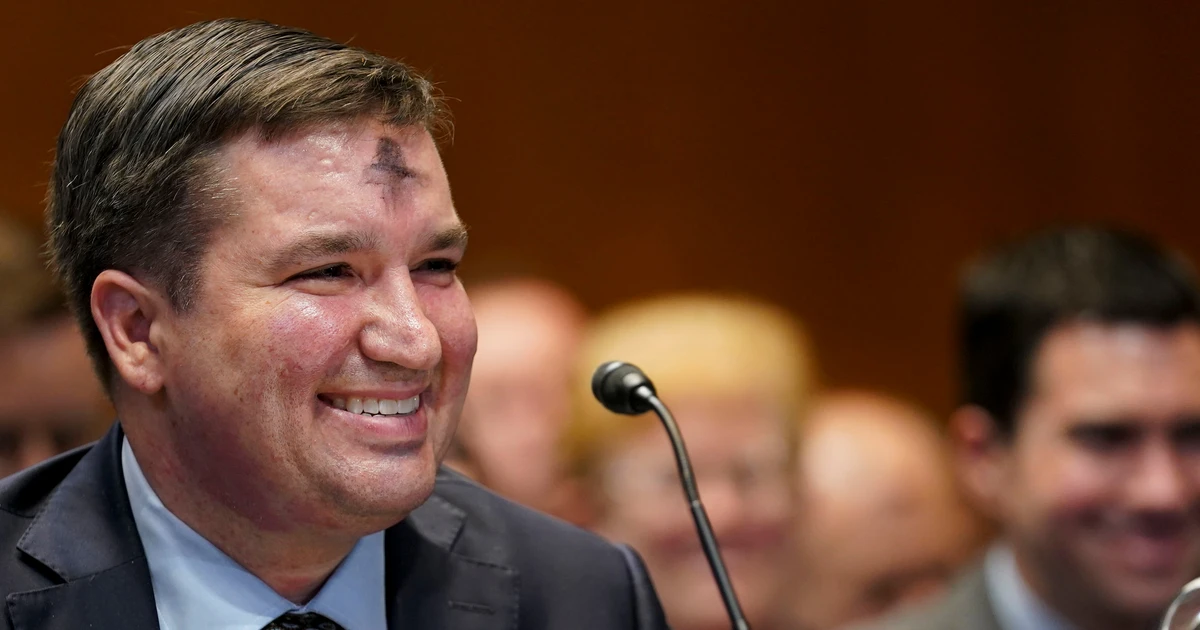
The legal industry is currently grappling with a sharp divide over the hiring of former high-ranking political appointees, a tension recently highlighted by the rejection of Aaron Szabo, a top environmental regulator from the Trump administration, by the law firm Crowell & Moring. While Szabo eventually secured a partnership at Pillsbury Winthrop Shaw Pittman, the internal fallout at Crowell & Moring underscores how prestige firms are increasingly scrutinizing the ideological legacies of potential hires in an era of heightened political polarization.
A Firm Divided: The Vetting of Political Appointees
The controversy surrounding Szabo—who served as the assistant administrator of the Environmental Protection Agency’s (EPA) Office of Air and Radiation—centers on his tenure as a primary architect of the Trump administration’s deregulatory environmental agenda. During his time in office, Szabo led efforts to loosen federal constraints on fossil fuel-burning power plants and vehicle emissions. Most notably, he was a key figure in the attempt to dismantle the 2009 “endangerment finding,” a landmark legal mechanism that grants the EPA the authority to regulate greenhouse gas emissions.
When Szabo sought to transition into private practice this past July, he engaged in extensive negotiations with Crowell & Moring. According to insiders, the process reached the final partner vote stage before being abruptly derailed. Sources indicate that the rejection was not based on his legal acumen, but rather on the firm’s collective discomfort with his regulatory record. Partners reportedly viewed his past efforts to gut air quality protections as a mismatch for the firm’s culture and long-term reputation.
The Tech Industry’s Parallel Struggle with Regulatory Talent
This debate is not confined to traditional legal firms; it mirrors the broader tech industry’s struggle to integrate former government officials into their corporate structures. As Big Tech faces unprecedented regulatory scrutiny—ranging from antitrust investigations to AI governance debates—firms are aggressively recruiting former regulators to help navigate the shifting landscape.
However, just as law firms are facing pushback from internal stakeholders regarding ideological alignment, tech giants are facing external pressure from consumer advocacy groups and internal activists. When major tech platforms hire former political figures to lobby on policy issues, they often trigger backlash similar to what Szabo faced at Crowell & Moring. For firms that pride themselves on progressive branding, the decision to bring on “deregulatory” talent can create a PR crisis, forcing companies to weigh the value of an appointee’s technical expertise against the risk of alienating their workforce or their client base.
Strategic Hiring in a Polarized Regulatory Landscape
Despite the rejection at Crowell, Pillsbury Winthrop Shaw Pittman moved quickly to bring Szabo into its fold, announcing his arrival as a partner in its regulatory and environmental practice groups on October 21. Nancy Fischer, global head of the firm’s regulatory practice, hailed his experience as “instrumental” for clients navigating complex energy rules.
For Pillsbury, the move is a strategic bet. As industries—particularly those in the energy and tech sectors—confront complex updates to federal regulations, the demand for legal counsel who understand the inner workings of the EPA is at an all-time high.
The industry remains divided on whether such hiring decisions should be judged through a moral lens or a functional one. While firms like Pillsbury prioritize the functional utility of having a “fixer” on staff, others like Crowell & Moring are finding that the political baggage of former appointees may outweigh their technical contributions. As the regulatory landscape continues to shift—especially as AI begins to influence energy consumption and environmental reporting—the battle over who represents these companies will likely become even more contentious. Law firms and tech entities alike are now being forced to clarify their own “endangerment findings” regarding the political reputations of their newest partners.
Disclaimer: This content is auto-generated for informational purposes only.
Source: Read Original News