








Supply Chain Hurdles Impact iPhone Duo Rollout
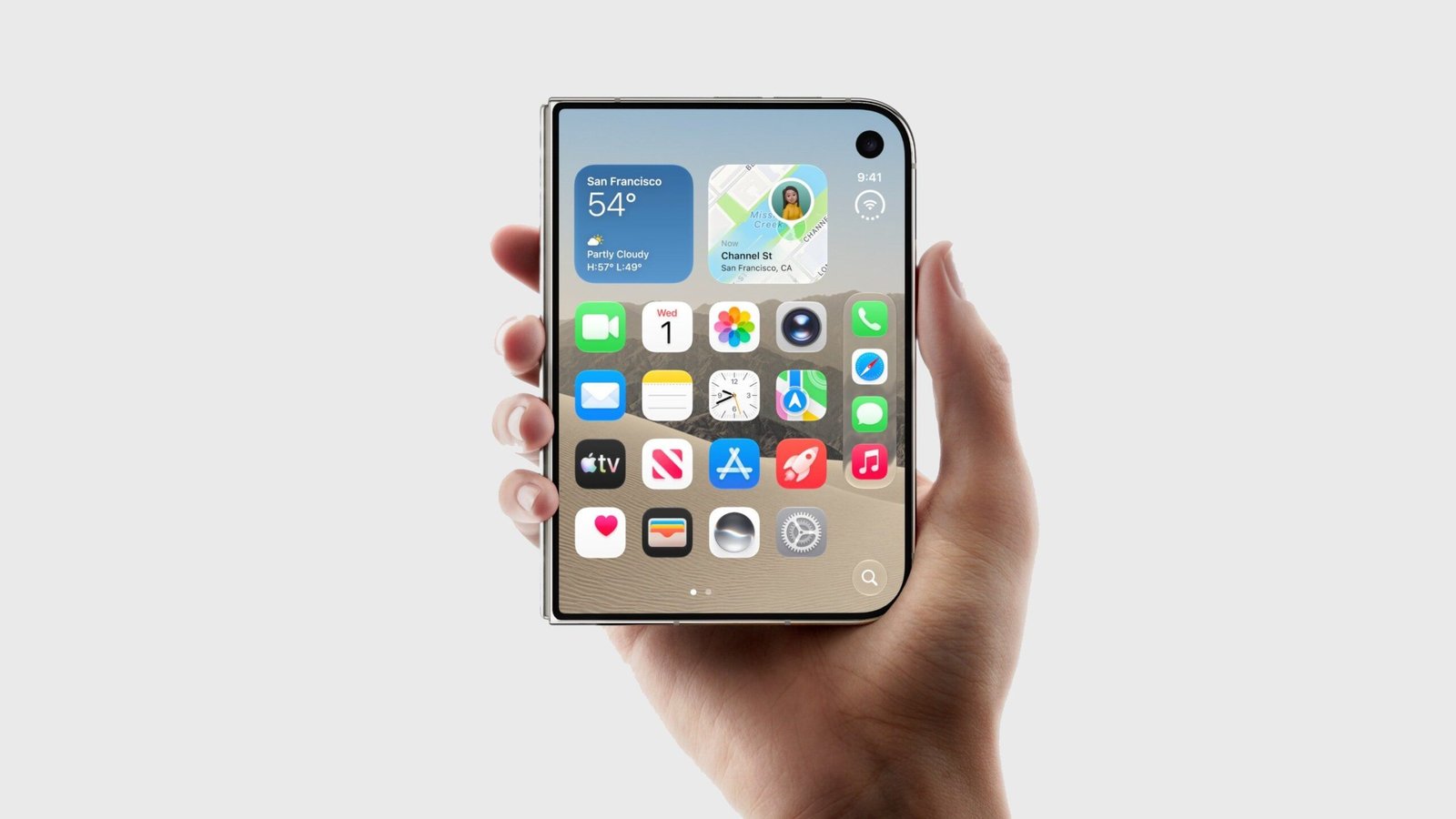
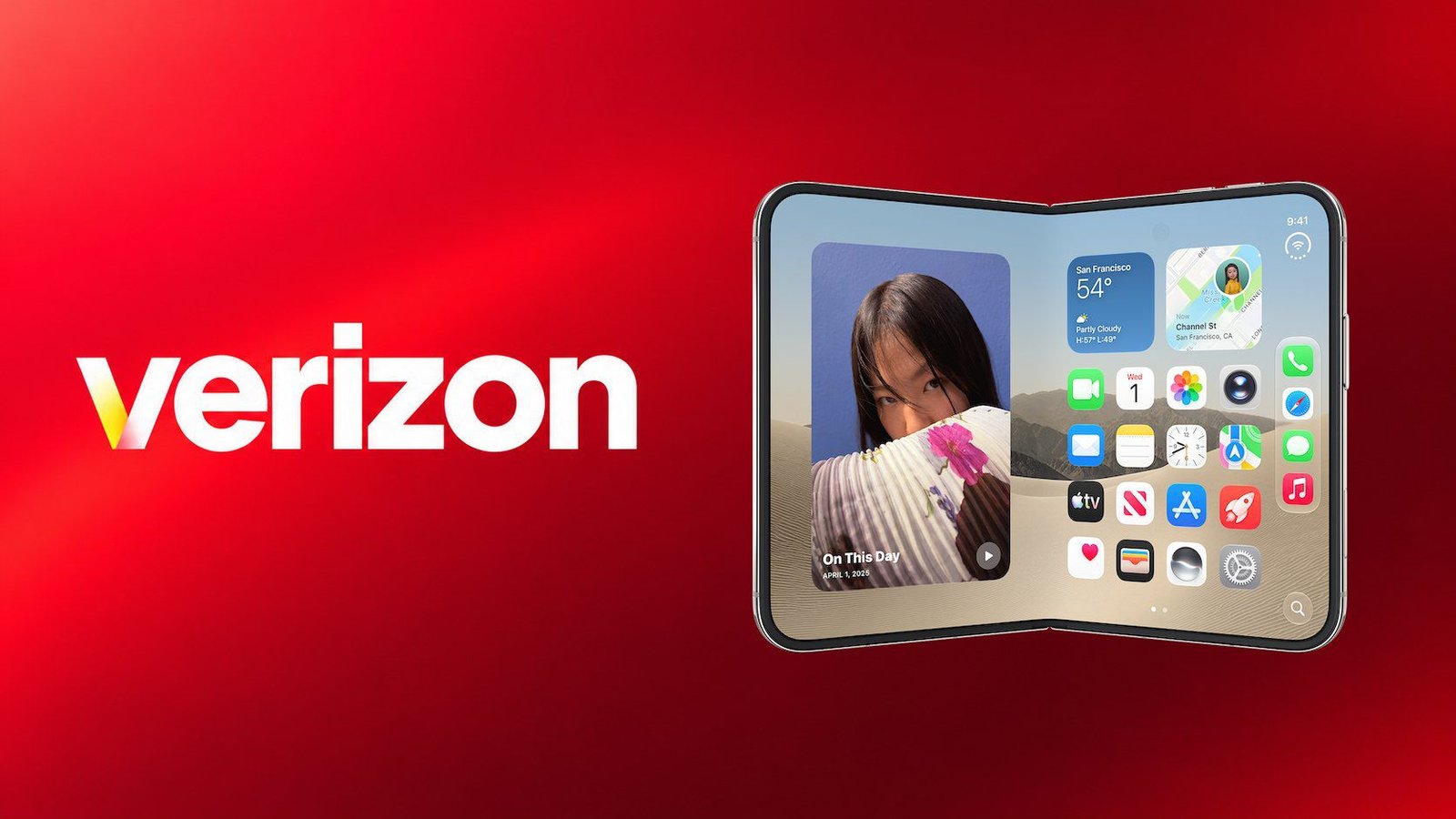
The highly anticipated launch of the iPhone Duo has hit a logistical speed bump for many customers who chose to pre-order their devices through Verizon. Despite the carrier’s efforts to streamline the delivery process for the latest smartphone release, a significant portion of consumers have been notified of unexpected shipping delays. This development follows a period of intense consumer interest that has placed considerable pressure on retail supply chains across the telecommunications industry.
The iPhone Duo, which carries high expectations due to its advanced hardware capabilities and new internal architecture, was initially slated for a wide-scale arrival on October 23. However, many users who completed their pre-orders during the opening window on October 16 are now seeing their arrival estimates pushed back by several weeks. Revised delivery dates are currently fluctuating, with many customers reporting windows that extend into mid-November. While the inconsistency has caused frustration, Verizon has confirmed that these delays are the result of unforeseen supply chain complications rather than internal processing failures.
Understanding the Scale of the Delay
The scale of the delay is notable, though not universal. Reports indicate that a subset of customers successfully received their devices on the official launch day, suggesting that the problem is likely tied to specific shipping hubs or initial inventory allocation rather than a systemic cancellation of orders. For those affected, the uncertainty of arrival times has become a primary point of discussion on various technology forums and social platforms.
Verizon’s official communication to its user base serves as an acknowledgment of these logistical gaps. In an effort to maintain transparency, the carrier has assured affected patrons that their order status remains secure and that their priority in the queue has not been compromised. The company’s focus remains on expediting the distribution of units as they become available from the manufacturer, though the precise cause—whether related to regional transit or manufacturing yield rates—remains a matter of speculation.
Compensation Strategy for Affected Customers
To mitigate the dissatisfaction caused by the shipping setbacks, Verizon has implemented a compensation initiative. Customers impacted by the revised delivery timeline will receive a $100 gift card. This credit is designed to be versatile, allowing users to apply the balance toward their monthly cellular service bill, device protection plans, or the purchase of accessories through the carrier’s digital and physical retail channels.
The distribution of these gift cards is scheduled to begin the week following the initial delivery disappointment. Verizon has stated that notifications regarding these credits will be dispatched via email. This gesture represents a proactive approach to customer relations, prioritizing retention during a period where product availability is a major factor in brand loyalty. By providing a tangible benefit, the carrier is attempting to bridge the gap between expectation and reality for those left waiting.
Manufacturing Challenges and Market Demand
Industry analysts point to the “extraordinary” demand for the iPhone Duo as a driving force behind the current supply constraints. Apple reported record-breaking interest during the pre-order phase, which quickly outpaced initial inventory projections. Furthermore, earlier reports hinted at potential production challenges that may have limited the number of units available for initial distribution. When high demand meets a constrained manufacturing cycle, the inevitable result is an imbalance in delivery capability.
The current landscape reflects a broader trend in high-end consumer electronics, where the complexity of new hardware components often leads to yield issues in the manufacturing phase. As manufacturers attempt to scale production to meet global appetite, bottlenecks in the supply chain—ranging from component shortages to logistics and freight delays—can ripple down to the retail experience. These challenges underscore the inherent difficulty of coordinating a synchronized, worldwide product release for a device of this complexity.
Managing Order Expectations
For those who have not yet received their device, Verizon has advised utilizing the “My Orders” interface found on the company website or through the official mobile application. These digital tools provide the most accurate, real-time updates regarding tracking information and estimated arrival dates. Because shipping statuses are updated dynamically as stock moves through the network, users are encouraged to monitor these platforms rather than relying on initial confirmation emails.
While the current wait times for some customers stretch into November, the situation remains fluid. The combination of high demand and logistical constraints serves as a reminder of the fragility of complex supply chains during major product launches. As Apple and its carrier partners continue to navigate these hurdles, the focus will likely shift to increasing inventory output to ensure that the remaining pre-orders are fulfilled in a timely manner. For now, affected customers must balance their desire for the latest technology with the reality of a compressed, high-stakes supply environment.
Disclaimer: This content is auto-generated for informational purposes only.
Source: Read Original News