






Indian Rice FOB Prices Surge Amid Kharif Crop Uncertainty; Vietnam Markets Hold Steady
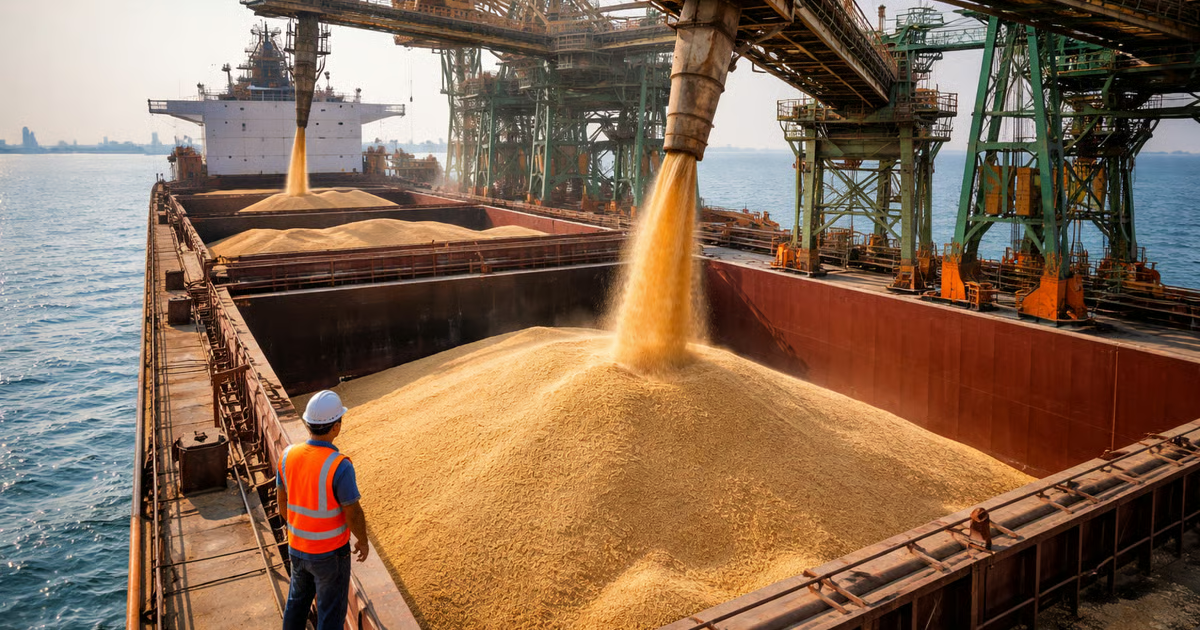
Indian rice export prices have experienced a significant upward shift over the past week, with New Delhi-based traders reporting sharper quotes for major long-grain steamed and sella varieties. The price rally, characterized by increases of approximately EUR 0.04–0.05 per kilogram, is primarily driven by mounting concerns regarding the 2026 Kharif harvest. Conversely, the Vietnamese market remains largely insulated from these volatility trends, with FOB quotes in Hanoi maintaining a stable profile despite softer global export values.
Supply Pressures and Weather Concerns in India
The domestic rice market in India is currently contending with the aftermath of a weak and erratic monsoon season. The inconsistent rainfall has left key agricultural states facing moisture stress, fueling anxiety over crop yields for the 2026 Kharif season. As harvest activities advance through October and November, market participants are noting variability in both grain quality and moisture content, which has tightened the supply of premium and conventional exportable stocks.
This supply-side tension is particularly evident in the conventional export segments. While organic basmati and non-basmati white rice prices have remained at high, stable levels, the surge is concentrated in popular commercial grades such as Sharbati, PR11, and the 1121 and 1509 steam varieties.
Stability in Vietnam’s Export Sector
While India grapples with production risks, Vietnam’s rice export sector is navigating a different landscape. Despite heightened competition from other Asian origins and a slight cooling of global export values, Hanoi’s FOB benchmarks for long-grain white, Jasmine, and Japonica rice remain fixed. Robust import demand from the Philippines, China, and various African nations has provided a necessary cushion, preventing any significant decline in prices and keeping the regional market in a consolidated, albeit firm, range.
Regional data suggests that Asian 5% broken white rice benchmarks—specifically those originating from Thailand and Vietnam—are hovering near recent highs. This sustained pricing environment indicates that while the rally has slowed, the underlying demand remains resilient enough to prevent a market-wide correction.
Outlook for the Coming Weeks
The meteorological outlook for the remainder of October offers little reprieve for moisture-stressed fields. While current weather patterns—characterized by scattered light showers in the Indo-Gangetic plains—are conducive to harvesting, they are insufficient to offset the damage caused by earlier rainfall deficits.
For Indian exporters, the present market strength offers a window to secure forward contracts, though analysts advise a staggered approach to commitments. The influx of new season arrivals is expected to alleviate some spot-market tightness, yet logistics constraints and potential quality variations could keep domestic prices elevated.
Market Recommendations
Traders and stakeholders should note the following trends for the short term:
- For Exporters: The current premium on steamed and sella segments presents attractive margins. However, with harvest arrivals expected to pick up, it is prudent to balance immediate sales with the anticipation of potential fluctuations in supply quality.
- For Importers: India remains the primary focus for mid-grade steamed and sella requirements, though maintaining a diversified portfolio with Vietnamese and Thai origins is recommended as a hedge against continued price volatility.
- For Domestic Users: In India, securing short-term inventory ahead of peak harvest logistics bottlenecks is advisable to mitigate the risk of procurement competition.
As the market moves into late October, the FOB complex is expected to remain in a consolidation band. Unless Indian harvest results exceed current, more conservative projections, the bias for Indian-origin rice remains firmly toward the higher end of current price brackets.
Disclaimer: This content is auto-generated for informational purposes only.
Source: Read Original News