








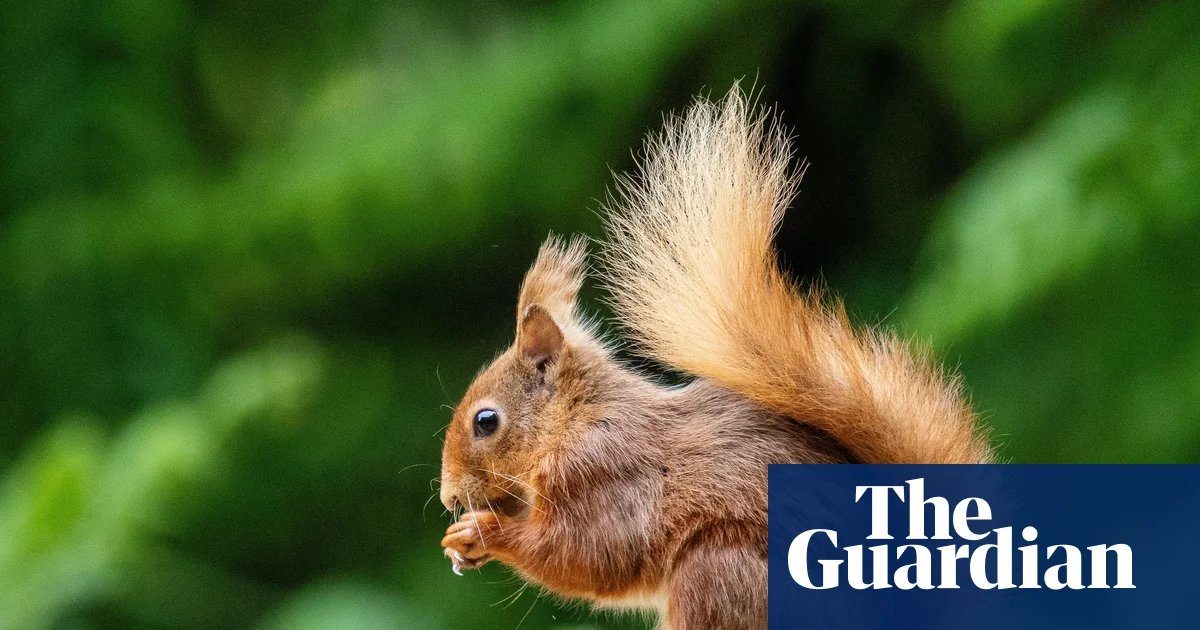
Brownsea Island, located in the heart of Poole Harbour, serves as one of the most critical refuges for the red squirrel (Sciurus vulgaris) in Southern England. While these charismatic rodents were once ubiquitous across the British Isles, their populations have suffered severe declines due to habitat loss and the introduction of the invasive grey squirrel, which carries the squirrelpox virus. However, Brownsea’s status as a predator-free, isolated environment has allowed a thriving population to persist, offering a rare window into the natural behavior of this protected species.
As autumn transitions into winter, the island’s ecosystem undergoes a visible shift that benefits both the wildlife and observers. The canopy thins, and the forest floor becomes a mosaic of decaying leaf litter and fungal growth—a habitat structure that provides essential forage for squirrels preparing for the colder months. During this season, observers report increased sightings, as the squirrels descend from the high canopy to forage closer to the ground, compelled by the necessity of caching food supplies for the impending winter.
Naturalists observe that red squirrels do not hibernate; rather, they experience a period of reduced activity. They spend significant portions of the winter months sheltered within their “dreys”—elaborate, spherical nests constructed from twigs, leaves, and moss, typically tucked into the forks of coniferous trees. To survive the winter, the squirrels spend the preceding months in a state of high-intensity labor, foraging for pine seeds, nuts, berries, and insects. This behavior is a display of evolutionary resilience, as the animals must balance the caloric needs of winter preparation with the constant vigilance required to evade avian predators.
The survival of the Brownsea population is not merely a matter of biological curiosity but a significant environmental success story. The island’s management, overseen by the National Trust, places a high priority on maintaining the habitat diversity necessary for the squirrels to flourish. By preventing the encroachment of grey squirrels and managing the woodland to ensure a consistent supply of food sources—such as pine and hardwood seeds—the island acts as a living laboratory for conservationists studying small mammal ecology.
For visitors and researchers alike, the autumn season provides a unique opportunity to witness the squirrels’ defensive instincts and territorial behaviors. When confronted with human observers, red squirrels typically demonstrate a “freeze” response, assessing the potential threat before resuming their frantic search for sustenance. This cautious behavior, while defensive, allows for a remarkable proximity that is seldom possible with more elusive wildlife.
The continued health of the Brownsea colony serves as a poignant reminder of the importance of isolated, protected habitats in an era of rapid biodiversity loss. As the climate changes, the nutritional quality of autumn forage may fluctuate, placing new pressures on these small populations. Yet, the intelligence and adaptability displayed by the species—from their sophisticated cache management to their structural engineering of dreys—suggest that with continued environmental protection, the red squirrel will remain a resilient inhabitant of the British landscape.
As winter approaches, the activity on Brownsea Island will inevitably slow, with the squirrels retreating to their dreys to conserve energy. This natural rhythm is essential for their survival, underscoring the necessity of undisturbed wild spaces where native species can carry out these critical life cycles away from the pressures of human development. For the scientific community and the public, the red squirrels of Brownsea represent a vital link to a more biodiverse past and a crucial focus for future conservation efforts.
Disclaimer: This content is auto-generated for informational purposes only.
Source: Read Original News