








PM Modi Unveils RBI Data Centre in Odisha, Warns of Cyber Threats to Banking Economy
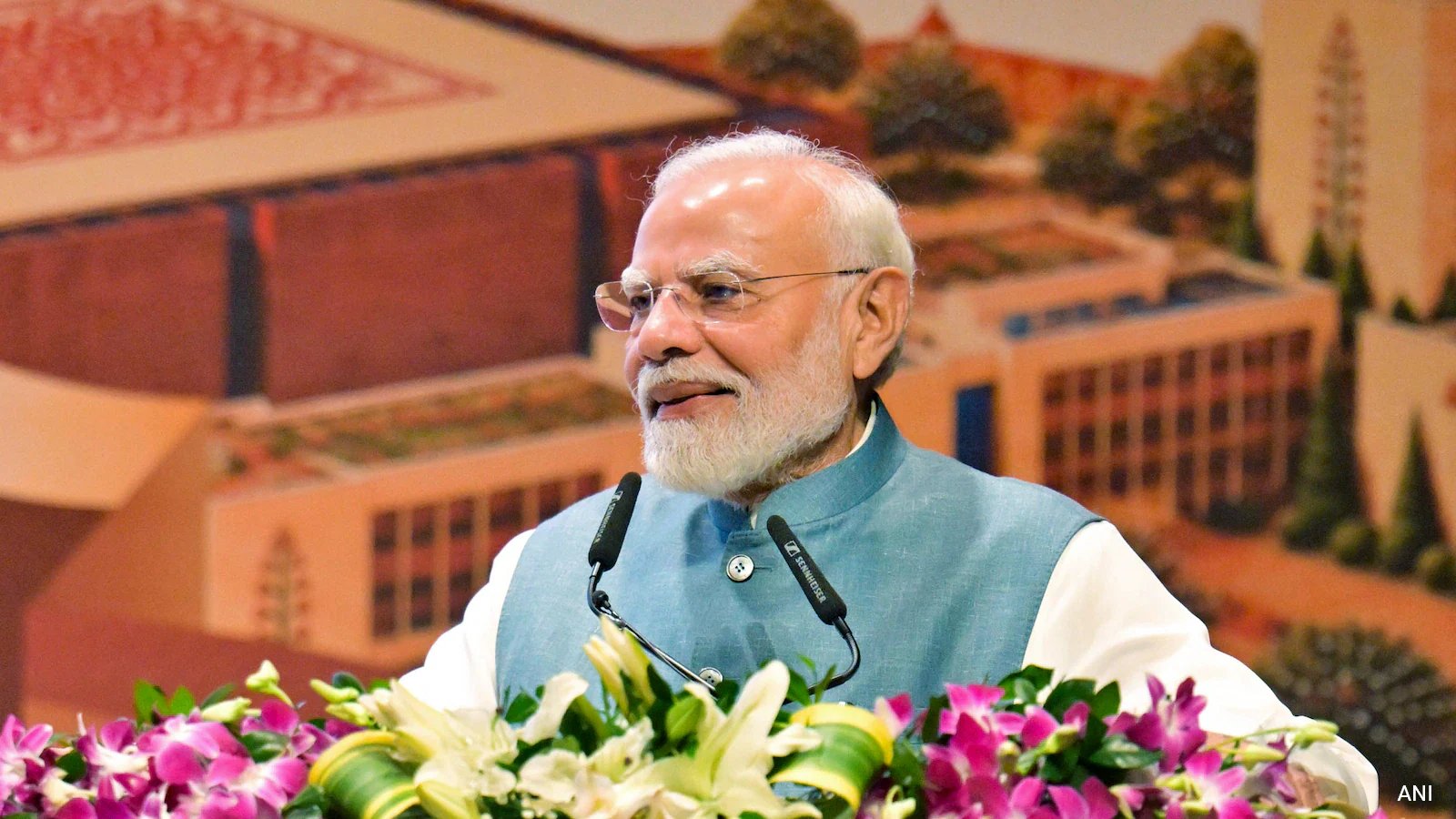
Bhubaneswar: Prime Minister Narendra Modi on Sunday inaugurated the Reserve Bank of India’s (RBI) new data centre and Cybersecurity Training Institute in Odisha, marking a significant milestone in India’s digital financial infrastructure. The project, established at a cost of Rs 169 crore, is situated at Info Valley-II in Jatni.
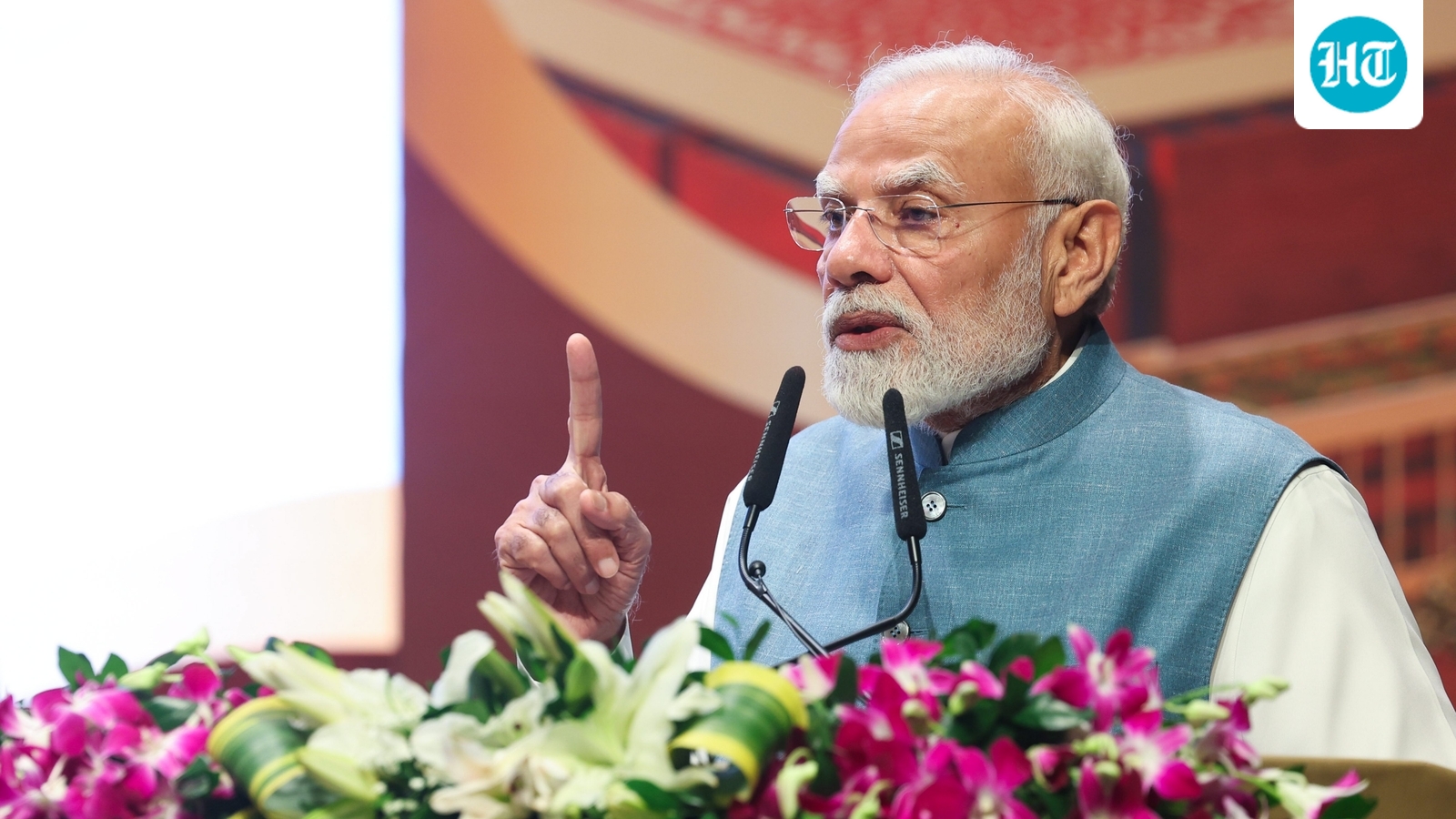
Addressing the gathering, the Prime Minister highlighted the evolving landscape of global conflict, noting that modern warfare extends far beyond conventional weaponry. He warned that nations today face the risk of economic destabilization, stressing that safeguarding India’s banking architecture from “cyber terrorists” and digital criminals is now a matter of national security.
Modernizing India’s Financial Defense
Emphasizing the necessity of technological advancement, the Prime Minister stated that the nation could no longer rely on antiquated systems to counter sophisticated cyber threats. “The nature of cyber risks is constantly changing,” Modi said. “We cannot combat these modern challenges with old tools and outdated training. We need state-of-the-art infrastructure and a highly skilled workforce to protect our economic interests.”
The newly inaugurated facilities are designed to serve as a secure foundation for India’s technology-driven financial sector. The data centre will house critical payment and settlement systems, while the training institute will focus on capacity building and research to combat evolving digital threats.
Political Jabs and Economic Reforms
The Prime Minister took the opportunity to criticize the previous Congress-led administration, contrasting its historical handling of the banking sector with his government’s current initiatives. He alleged that under past regimes, banking was largely inaccessible to the common person, despite the rhetoric of nationalization.
“In the 1960s and 70s, banks were nationalized in the name of the poor, yet by 2014, over half of India’s population remained outside the formal banking ecosystem,” Modi remarked. He further alleged that the earlier system allowed for “phone-call loans” to well-connected elites, leading to a surge in Non-Performing Assets (NPAs) that brought the banking system to the verge of collapse.
He credited the BJP-led government with transforming the sector over the last decade. Highlighting the success of the Jan Dhan Yojana, the Prime Minister noted that approximately 60 crore bank accounts have been opened, bringing banking to the unorganized sector, street vendors, and small entrepreneurs. He asserted that today’s banking system is among the most efficient globally, ensuring that government subsidies reach beneficiaries directly, eliminating the “leakage” that once plagued the system.
A Growing Economic Engine
Looking toward the future, the Prime Minister described eastern India—and Odisha in particular—as a burgeoning growth engine for a “Viksit Bharat” (Developed India). He stated that the coming decade would focus on elevating the reliability and efficiency of banking services, while simultaneously unlocking new opportunities for Odisha’s youth in sectors ranging from mining to microchips.
The inauguration ceremony saw the presence of Union Finance Minister Nirmala Sitharaman, RBI Governor Sanjay Malhotra, Odisha Governor Brajmohan Ram, and Chief Minister Mohan Charan Majhi. The event concluded amid tight security, with local authorities deploying over 2,000 personnel to manage the high-profile visit.
Disclaimer: This content is auto-generated for informational purposes only.
Source: Read Original News