








The Strategic Shift: IT as the Core of Central Banking
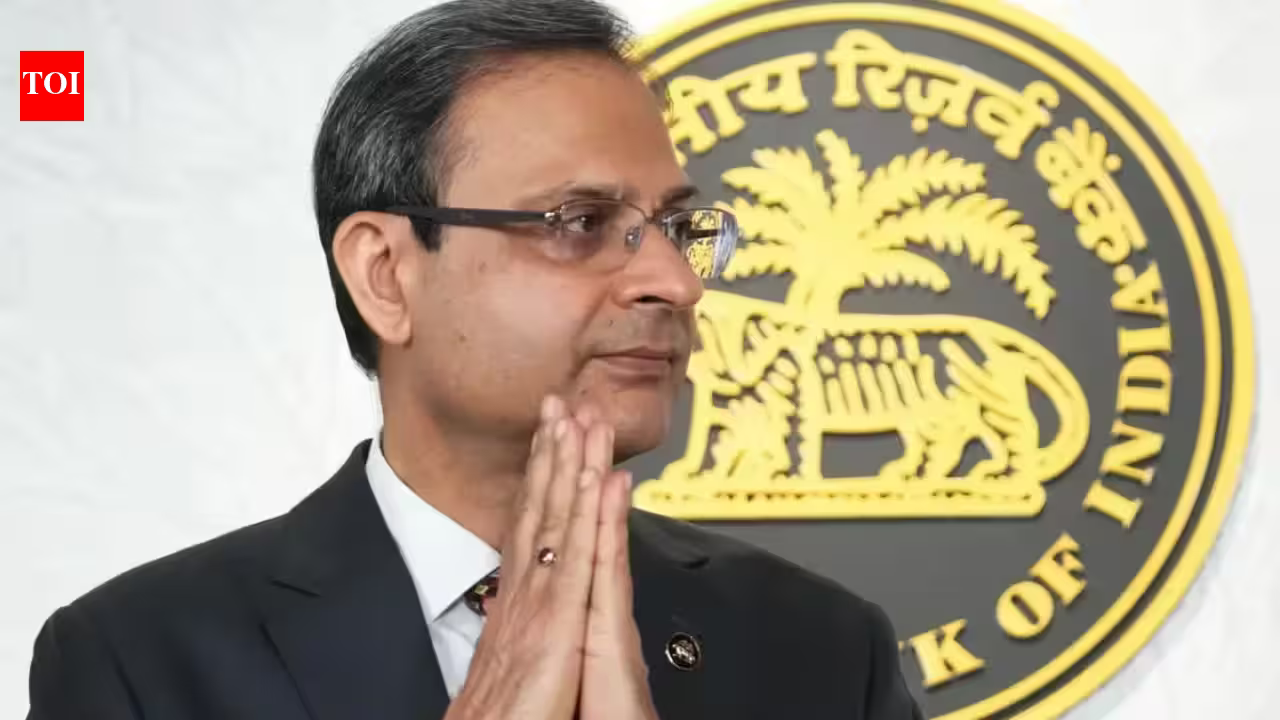
The traditional perception of a central bank as a repository of gold reserves and a manager of interest rates has undergone a fundamental transformation. In the modern financial landscape, the Reserve Bank of India (RBI) operates as much like a technology powerhouse as it does a monetary authority. With the recent inauguration of the new data centre and Cybersecurity Training Institute in Bhubaneswar, the RBI has officially signaled that information technology is no longer a peripheral support service but the primary bedrock upon which the entire Indian financial ecosystem rests.
Governor Sanjay Malhotra’s assertion that IT is a core function reflects a global shift in how systemic stability is maintained. As financial transactions increasingly transition from paper-based ledgers to high-speed digital protocols, the uptime of server architecture has become synonymous with the solvency of the banking system. The Bhubaneswar facility, designed with Tier IV accreditation, ensures that critical services such as the National Electronic Funds Transfer (NEFT) and Real-Time Gross Settlement (RTGS) possess the redundancy required to withstand catastrophic system failures. In an economy where UPI transactions hit record volumes monthly, any downtime in the underlying settlement layers managed by the RBI could translate into systemic paralysis. By centralizing these functions within sovereign, state-of-the-art infrastructure, the RBI is effectively immunizing the domestic financial system against external dependencies.
Sovereign Infrastructure and the Architecture of Resilience
The emphasis on data sovereignty is particularly relevant in the current geopolitical climate. As nations grapple with the risks associated with cloud-based storage hosted by multi-national corporations, the RBI’s commitment to self-reliant, sovereign data centres provides a critical layer of defense. Sovereign data sovereignty ensures that sensitive financial data, settlement protocols, and metadata remain under the legal and operational jurisdiction of Indian authorities. This is not merely a matter of national pride; it is a pragmatic approach to operational risk management.
The new Bhubaneswar facility utilizes four independent, interconnected units, which provides a level of fault tolerance that is industry-leading. By maintaining physical control over the hardware, cooling systems, and power grids that facilitate trillions of rupees in daily settlements, the RBI minimizes its exposure to third-party outages or supply chain vulnerabilities. This move toward sovereign infrastructure is consistent with India’s broader “Atmanirbhar Bharat” (Self-Reliant India) initiative, which seeks to reduce reliance on imported technological dependencies in sectors of national security importance. As the financial backbone of the country, the RBI is setting a standard for other financial institutions to mirror, ensuring that India’s digital payment progress is built on a foundation of unshakeable local control.
Cybersecurity in the Age of Artificial Intelligence
The integration of a Cybersecurity Training Institute within the same complex as the data centre highlights the changing nature of institutional threats. Modern threats are no longer limited to simple server attacks or phishing attempts; they now involve sophisticated, AI-driven exploitation of system vulnerabilities. As the RBI adopts emerging technologies, the attack surface expands, necessitating a workforce that is not only tech-literate but also trained in defensive countermeasures against automated threats.
Artificial Intelligence presents a dual-use dilemma for financial authorities. While the RBI can leverage AI to detect fraud patterns in real-time and predict systemic liquidity stress, malicious actors are simultaneously using generative AI to create more complex deepfakes and automated breach attempts. The training institute is positioned to bridge this capability gap. By fostering specialized talent within the regulatory ecosystem, the RBI ensures that India’s cyber-defense mechanism evolves faster than the threats targeting the banking sector. This proactive investment is crucial because as digital penetration increases, the barrier to entry for cybercrime decreases. Cultivating an indigenous talent pipeline is the only sustainable strategy to maintain the integrity of India’s digital financial rails.
Sustainable Growth and the Green Dividend
A significant aspect of the new data centre is its alignment with sustainability goals. The pursuit of a platinum green-building rating is a testament to the fact that technological progress need not come at the expense of environmental responsibility. Data centres are notoriously power-hungry, requiring massive amounts of electricity for processing and cooling. By incorporating local materials and energy-efficient architecture, the RBI is modeling how large-scale infrastructure projects can be integrated into the local ecosystem without imposing an excessive carbon footprint.
From a business and economic standpoint, green infrastructure is a sound long-term investment. Reduced energy consumption leads to lower operational expenditure over the life cycle of the facility, allowing the central bank to reallocate resources toward innovation and development. Furthermore, as international standards for ESG (Environmental, Social, and Governance) compliance become more stringent, the RBI is positioning itself as a leader in green digital transformation. This approach serves as a blueprint for Indian commercial banks that are also scaling their data capacities to meet the demands of a growing digital economy.
The 2047 Vision: Technology as a Catalyst for National Development
The broader objective behind the RBI’s technological expansion is the realization of India’s 2047 development goals. To reach the status of a developed economy, India requires a frictionless financial system that can facilitate capital flow with high efficiency, low cost, and maximum security. The synergy between the RBI’s settlement systems and the private-sector-led innovation of UPI has already created a global benchmark for digital payments.
Looking forward, the sovereign infrastructure now in place will support the next generation of financial products, including the Central Bank Digital Currency (CBDC) and advanced cross-border payment integration. The strength of these innovations rests entirely on the quality of the underlying technology. By treating IT as the heartbeat of its operations, the RBI is ensuring that the pace of economic growth is not bottlenecked by outdated infrastructure. As India moves toward a more digitized, transparent, and inclusive financial future, the investments being made in Bhubaneswar will serve as the invisible engine driving that progress. The transition toward a “technological central bank” is not merely an internal administrative change; it is a prerequisite for the competitive evolution of the Indian financial market on the global stage.
Disclaimer: This content is auto-generated for informational purposes only.
Source: Read Original News