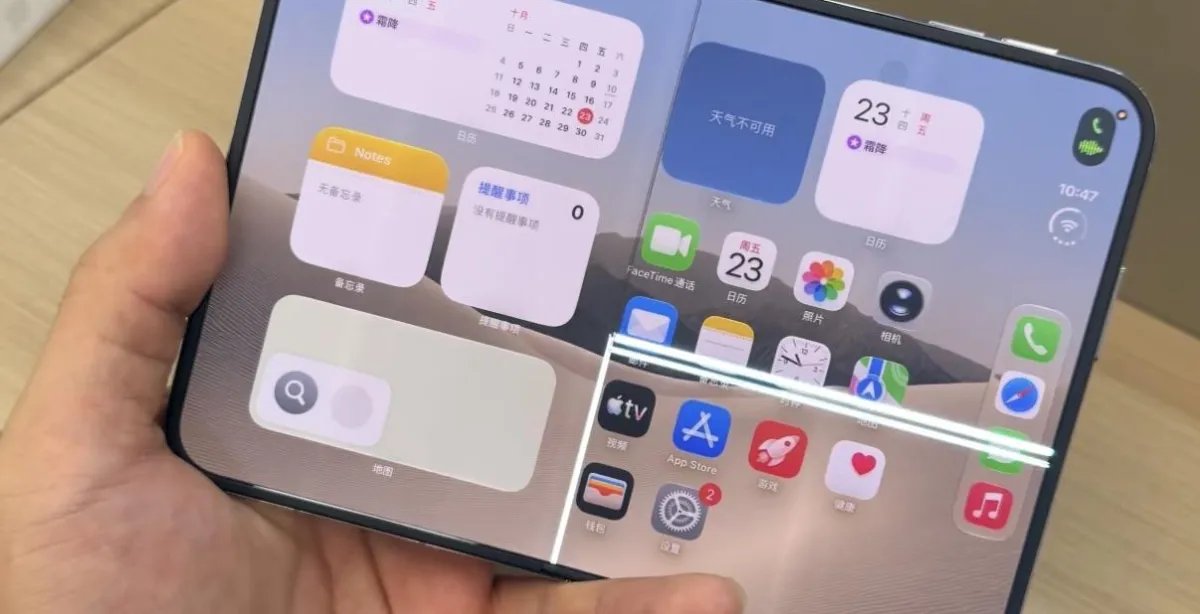








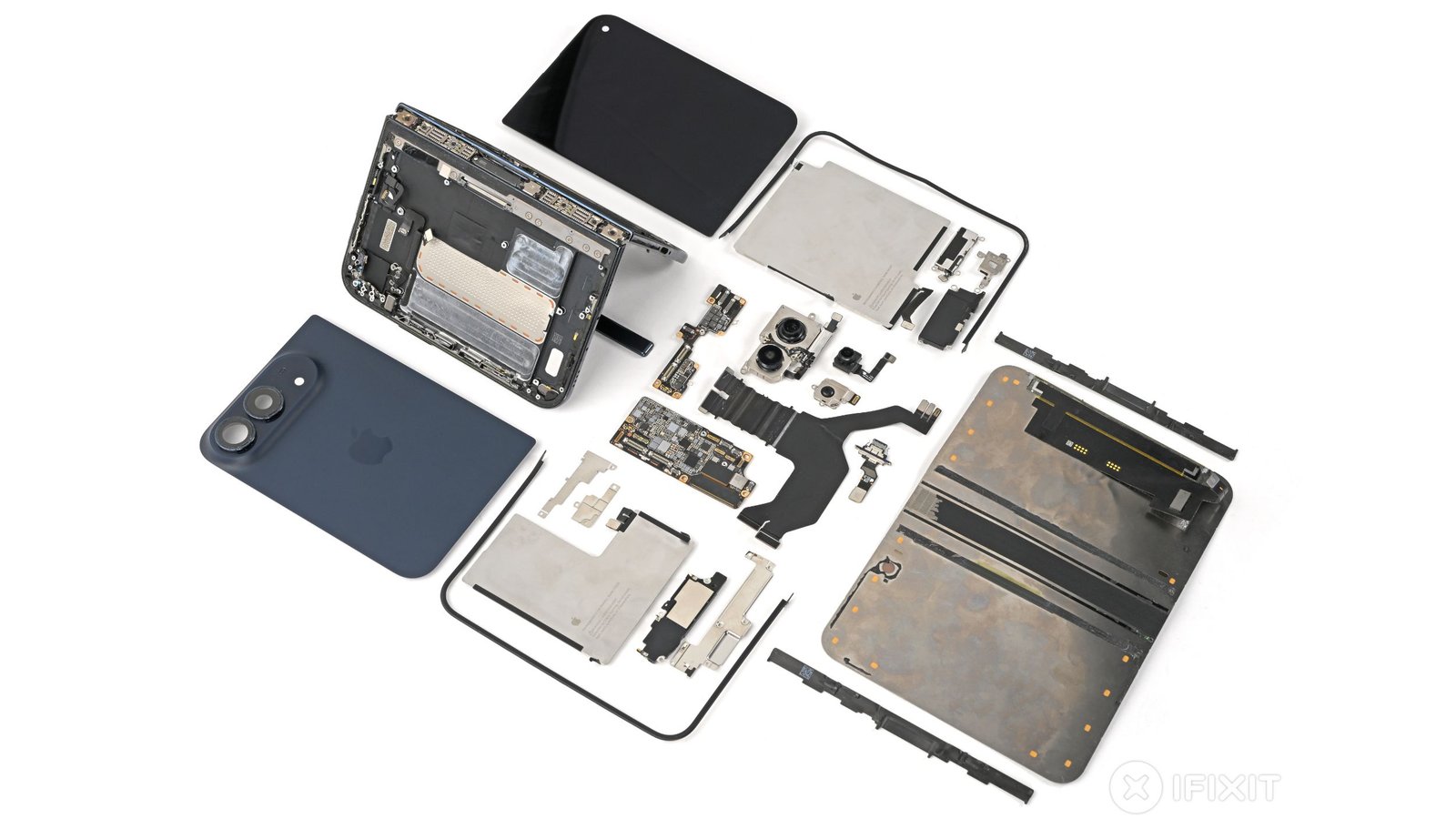
The teardown analysis of the iPhone Duo by the repair experts at iFixit provides a detailed look into the engineering behind Apple’s inaugural foldable device. By dismantling the hardware, the team evaluated the structural integrity, dust resistance, and overall repairability of the handset. The findings reveal a device that balances advanced, thin-profile engineering with a commitment to component accessibility that surpasses most competitors in the foldable market.
Dust Resistance and Hinge Integrity
Before beginning the internal dissection, iFixit subjected the iPhone Duo to a rigorous dust-inundation test to verify its IP68 rating. While the device successfully kept most debris out of the sensitive core internals, the moving parts of the hinge proved more susceptible to contamination. Particles entered the mechanism, resulting in an audible crunching sound during folding operations.
Compared to other foldable devices like the Galaxy Z Fold8 or the Pixel 11 Pro Fold, the iPhone Duo demonstrated superior resistance to dust ingress, showing lower accumulation in the hinge housing. However, the presence of foreign material remains a notable concern for users. Independent testing by other observers, such as JerryRigEverything, confirmed that particulate matter entering the hinge can impede the magnetic locking system, suggesting that while the device is robust, it remains unsuited for environments with high concentrations of fine dust or sand.
Innovative Battery Removal Process
A standout feature highlighted during the teardown is the refined battery removal system. Apple implemented a specialized adhesive technology that reacts to a low-voltage electrical charge. By applying this charge, the adhesive loses its structural grip, allowing the batteries to be extracted without the risk of mechanical puncturing or bending.
iFixit noted this as the most efficient battery removal process seen in a foldable smartphone to date. This design choice represents a significant improvement in repair safety, as batteries in traditional mobile devices are often secured with powerful, stubborn adhesives that are difficult to remove without specialized tools or heat, which can lead to fire risks or damaged cells.
Strategic Logic Board Design
To achieve the slim aesthetic of the iPhone Duo, Apple opted for an unstacked, single-layer logic board. This design choice marks the first time this architecture has been used in an iPhone since the iPhone 8. By spreading the components across a single plane rather than stacking them vertically, engineers were able to maintain a lower total thickness for the chassis.
While a single-layer board typically requires more surface area, the internal layout of the Duo manages this space effectively. This approach not only aids in heat dissipation by reducing component density but also simplifies access to the primary processor and memory modules during professional repairs.
Analyzing Display Failure Points
A major portion of the teardown focused on recent reports of display damage. By utilizing CT scans and 3D modeling of the hinge, iFixit researchers identified potential areas of structural stress. The damage observed in failing units often clusters in areas where the display meets the hinge support, specifically where internal edges converge.
The investigation suggests that the issue might stem from the interaction between the screen’s pivot points and the curved rails of the hinge. It is hypothesized that if a component fails to retract correctly during the closing motion, it could exert localized pressure on the flexible display layer. This finding underscores the complexity of foldable hardware, where the intersection of mechanical movement and delicate screen materials remains a critical engineering challenge.
Repairability Assessment
iFixit assigned the iPhone Duo a provisional repairability score of 5 out of 10. This score, while modest, places it ahead of its primary competitors, which generally score 4 out of 10. The score is bolstered by the presence of comprehensive, day-one repair manuals and the ability to replace the outer nano-texture cover layer at a relatively low cost. Furthermore, the modularity of the outer display allows for easier access to the interior compared to devices that rely heavily on permanent, high-strength seals.
However, the inner foldable display and the underlying hinge assembly remain significant hurdles. Because these components are heavily bonded with adhesives and are central to the phone’s primary function, any failure in these areas remains difficult for the average user or third-party shop to rectify. While the iPhone Duo is categorized as the most repairable foldable device currently available, the technical barriers inherent in folding display technology ensure that significant repairs will continue to require professional intervention. By prioritizing accessible adhesives and a modular screen-replacement strategy, Apple has set a new baseline for repair design in the foldable product category.
Disclaimer: This content is auto-generated for informational purposes only.
Source: Read Original News