








The Geopolitical Imperative: Evaluating India’s Exposure to West Asian Instability
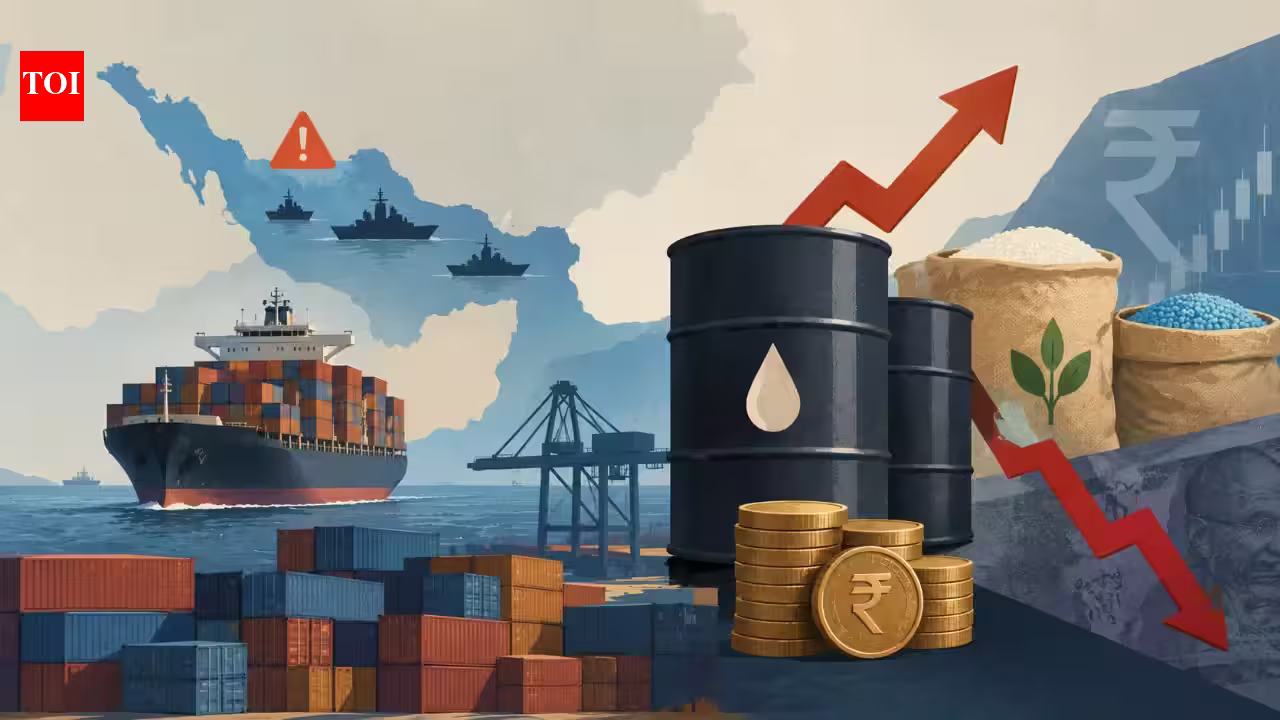
The escalation of conflict in West Asia serves as a sobering reminder of the structural vulnerabilities inherent in global trade and energy supply chains. For an economy like India, which remains a net importer of crude oil and a significant player in international logistics, the resurgence of regional instability creates a complex multidimensional challenge. While the Indian government has proactively secured energy and fertiliser reserves to buffer against immediate shocks, the secondary effects—manifesting as inflationary pressures, currency volatility, and disrupted trade routes—pose a formidable test for the country’s macroeconomic stability.
From a strategic standpoint, India has moved beyond mere reaction, employing a policy of buffer-building to insulate domestic industries from supply shortages. However, as the conflict lingers, the broader economic architecture faces strain. The rise in crude oil and refined product prices, coupled with the astronomical increase in freight costs, presents a classic cost-push inflationary scenario that demands a nuanced approach from policymakers, particularly when fiscal space for further interventions remains tight.
Energy Security and the Fiscal Tightrope
India’s energy import bill is the primary transmission mechanism for external shocks. With crude oil prices consistently trending at elevated levels, state-run oil marketing companies are facing mounting pressure. Despite earlier fiscal measures, such as duty adjustments and strategic inventory stocking, the reality of global energy pricing is difficult to circumvent. When pump prices are linked to import costs, the margin compression for retailers becomes unsustainable, necessitating either government intervention or a pass-through to the consumer—both of which have deleterious effects on inflation or the fiscal deficit.
Furthermore, the surge in global prices for diesel and petrol directly impacts the domestic transportation sector, creating a feedback loop that exacerbates the cost of goods. The government’s ability to navigate this is restricted by the ongoing demand for fertiliser subsidies, which are essential for maintaining the country’s agricultural output. While the Ministry of Fertilisers has managed to leverage prior price dips to build inventory, any prolonged escalation in the price of natural gas—a primary feedstock for urea production—could quickly deplete these savings, forcing the government to prioritize essential spending over fiscal consolidation goals.
Logistical Gridlock and the Freight Crisis
Beyond the price of commodities, the physical movement of goods represents a significant hurdle for Indian exporters and manufacturers. The Strait of Hormuz has evolved into a critical bottleneck where security risks have led to a precipitous decline in vessel movement. Insurance premiums for tankers and container ships entering these waters have skyrocketed, a cost that is invariably passed down the value chain.
Current data from the Drewry World Container Index illustrates a drastic departure from historical norms. Freight rates for a 40-foot container have escalated significantly compared to previous years, rendering many low-margin export commodities non-competitive in the international market. For India, this translates into port congestion, container shortages, and an unpredictable supply chain that hinders the competitiveness of the manufacturing sector. When shipping costs to West Asian ports surge tenfold, the ability of Indian businesses to maintain market share becomes precarious. Buyers, who were initially absorbing these costs due to inventory shortages, are now reaching their limit, potentially forcing a contraction in trade volumes.
Macroeconomic Consequences for the Rupee and Capital Flows
The Indian economy operates within a delicate balance of trade and capital flows. A widening trade deficit, driven by higher commodity import costs, inevitably exerts downward pressure on the Indian Rupee. As the currency weakens, the cost of importing essential goods increases further, creating a cycle of imported inflation. This environment is particularly challenging for Foreign Portfolio Investors (FPIs).
FPI sentiment is highly sensitive to the stability of the local currency and the overall fiscal health of the sovereign. If the Rupee loses value, the returns for foreign investors in dollar terms diminish, potentially triggering outflows from Indian equity and debt markets. This creates a dual burden: the government must manage the fiscal deficit within its target of 4.3% of GDP, while simultaneously ensuring that interest rates and market sentiment remain attractive enough to retain foreign capital. While higher-than-budgeted disinvestment receipts and robust tax collections have provided a temporary cushion, these are structural buffers that could be rapidly eroded if global oil prices remain at sustained highs for consecutive quarters.
Supply Chain Resilience in the Eastern Hemisphere
The current crisis highlights the urgent need for India to diversify its logistics and energy sourcing strategies. The concentration of risk in the Strait of Hormuz underscores the danger of over-reliance on a single geopolitical corridor. For Indian businesses, the focus must shift toward securing long-term contracts that provide price predictability and diversifying shipping routes.
Moreover, the impact on the supply chain is not merely limited to the direct trade with West Asia. The global nature of shipping means that disruptions in one quadrant of the globe trigger container imbalances in another. Port congestion in the East and a shortage of available crew willing to transit high-risk zones create a systemic slowdown that disrupts the entire manufacturing cycle. Indian firms must prepare for a period of extended uncertainty where “just-in-time” inventory models are no longer viable. Instead, companies are increasingly forced to adopt “just-in-case” strategies, holding higher inventory levels locally to mitigate the risk of supply chain gaps.
Strategic Outlook and Policy Direction
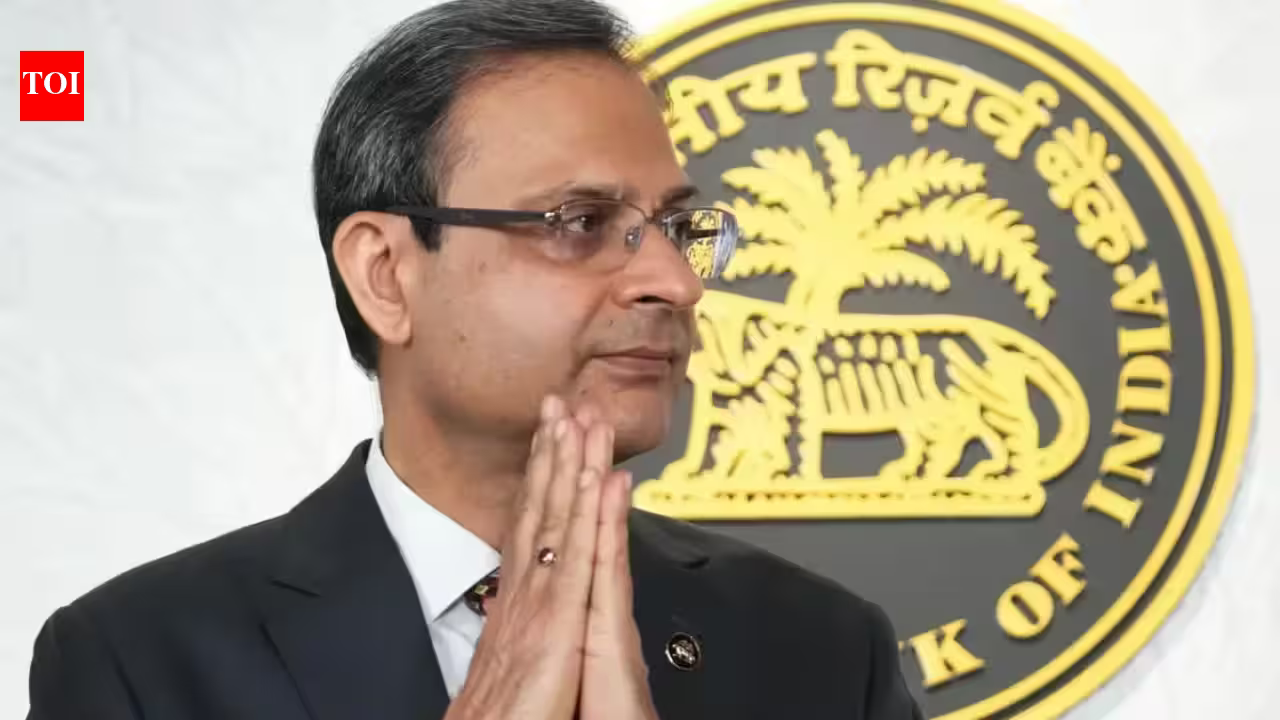
Looking ahead, the resilience of the Indian economy will depend on the effectiveness of its monetary and fiscal policy coordination. The Reserve Bank of India (RBI) faces the difficult task of managing currency volatility without stifling domestic growth. Simultaneously, the Ministry of Finance must maintain its commitment to fiscal prudence, even as pressures to subsidize fuel and essential commodities mount.
The situation remains fluid, and the government’s preparedness regarding energy and fertiliser stocks will act as a primary line of defense. However, systemic risks—namely, the potential for prolonged inflation, a widening current account deficit, and the erosion of investor confidence—cannot be ignored. Moving forward, India’s strategic focus should remain on enhancing its domestic energy production, investing in alternative trade corridors that bypass high-risk zones, and maintaining a robust fiscal balance that can withstand the periodic volatility inherent in the global energy market. While the immediate horizon remains fraught with challenges, a disciplined policy framework remains the most effective tool for navigating this volatile chapter in global trade.
Disclaimer: This content is auto-generated for informational purposes only.
Source: Read Original News