









Understanding the Structural Mechanics of the iPhone Duo
The introduction of the iPhone Duo marked a significant milestone in foldable device architecture. However, shortly after its market debut, early adopters began reporting a concerning pattern: display failures manifesting as horizontal cracks along the device’s central crease. While initial assessments blamed the fragility of the flexible OLED panel, forensic teardowns suggest that the root cause may be rooted in the mechanical integrity of the internal hinge assembly rather than the display material itself.
In a foldable smartphone, the hinge acts as the primary interface between the mechanical stress of folding and the delicate layers of the screen. When a screen fractures, the immediate assumption is often a manufacturing defect in the display. However, recent technical investigations demonstrate that the display fracture is likely a secondary symptom of a primary hinge failure. When the mechanical components tasked with supporting the fold do not function as intended, they transmit stress or physical impact to the underside of the display, leading to the characteristic horizontal fractures observed by users.
The Anatomy of a Hinge Failure
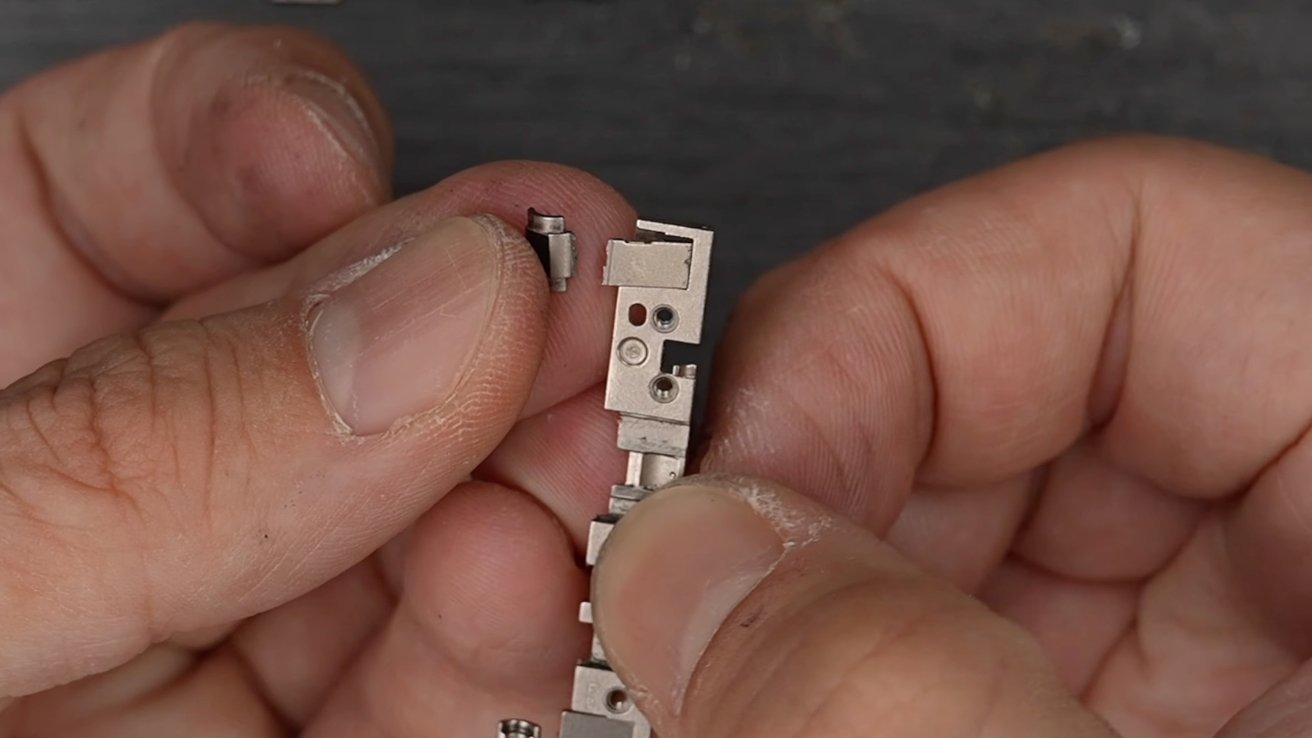
Recent analysis conducted by independent hardware experts has shed light on specific structural vulnerabilities within the device. By subjecting the unit to rigorous stress tests and subsequently performing a teardown, investigators identified a specific internal support element that exhibits signs of premature shearing. This component, which serves as a connection point for an upper support plate, appears to be thinner than the surrounding hardware.
When this support element fails—often due to misalignment or excessive force—it creates a cascading mechanical error. Inspection of damaged units shows distinct crush marks on the internal chassis near the hinge mechanism. More importantly, the underside of the flexible display reveals specific impact points that correspond precisely to the location of the sheared hinge component. This evidence suggests that once the hinge element breaks or misaligns, it no longer provides the necessary clearance or support, causing it to strike the rear surface of the display. This contact forces the brittle layers of the OLED panel to bend beyond their tolerance threshold, resulting in the typical horizontal crack that propagates from the crease to the edge of the device.
Engineering Challenges in Foldable Hardware
The engineering of a hinge that can withstand tens of thousands of cycles is an immense hurdle. The mechanism must be precise enough to protect the display, flexible enough to allow for a smooth transition, and robust enough to handle the inevitable ingress of debris or the unintentional forces applied by users. The iPhone Duo utilizes a complex series of metallic plates and pivots designed to distribute pressure evenly.
However, the discovery of a potentially weak point in a structural support hinge highlights the limitations of miniaturization. As components become thinner to accommodate a slimmer profile for the final product, the margin for error in material strength decreases. If a specific structural link is under-engineered compared to the rest of the mechanism, it becomes the point of failure. When this link shears, the synchronicity of the folding motion is disrupted, creating a localized pressure point that the flexible display cannot accommodate. This is a classic challenge in mechanical engineering: balancing the requirement for a lightweight, sleek physical form with the necessity for structural durability under dynamic stress.
Contextualizing the Scope of Reports
Despite the viral nature of videos documenting screen failures, it is critical to distinguish between controlled stress tests and real-world performance. Many of the videos circulating online involve deliberate “torture tests,” such as folding the device backward or introducing external contaminants to force a failure. These scenarios do not reflect the standard daily usage patterns of the average consumer.
Data collected from support channels suggests that the issue is not currently a systemic manufacturing failure that affects every unit. Inquiries with various service centers indicate that retail stores are not seeing a flood of returns or repair requests related to this specific screen defect. For the vast majority of users, the iPhone Duo functions exactly as intended. The anecdotal instances appearing on social media platforms remain isolated, often appearing in the context of extreme testing rather than natural device degradation. While the physical flaw is real, its prevalence is currently limited, placing it in the category of infant device issues rather than a mass-market hardware defect.
Guidelines for Device Longevity
For users currently operating an iPhone Duo, understanding the mechanical constraints of the hardware is essential for long-term maintenance. The device is a precision instrument, and the hinge is designed to operate within specific physical parameters. Pushing the limits of the hinge—either by forcing it beyond its natural range of motion or attempting to operate it while compromised by external debris—can exacerbate existing structural weaknesses.
If a user identifies a change in the resistance or sound of the hinge during operation, it is recommended to cease usage and contact official support channels immediately. Engaging in DIY repairs or attempting to clear debris with improper tools can cause further internal damage to the display assembly. Furthermore, standard service protocols emphasize that manufacturers prioritize evidence provided through official channels over reports on social media. Reporting a failure through proper support portals ensures that the company can gather accurate data regarding serial numbers, manufacturing batches, and failure patterns, which is the only reliable way to drive future hardware revisions and support resolutions. In the rapidly evolving category of foldable technology, the transition from early design to mature hardware relies heavily on this feedback loop between user experiences and engineering refinements.
Disclaimer: This content is auto-generated for informational purposes only.
Source: Read Original News