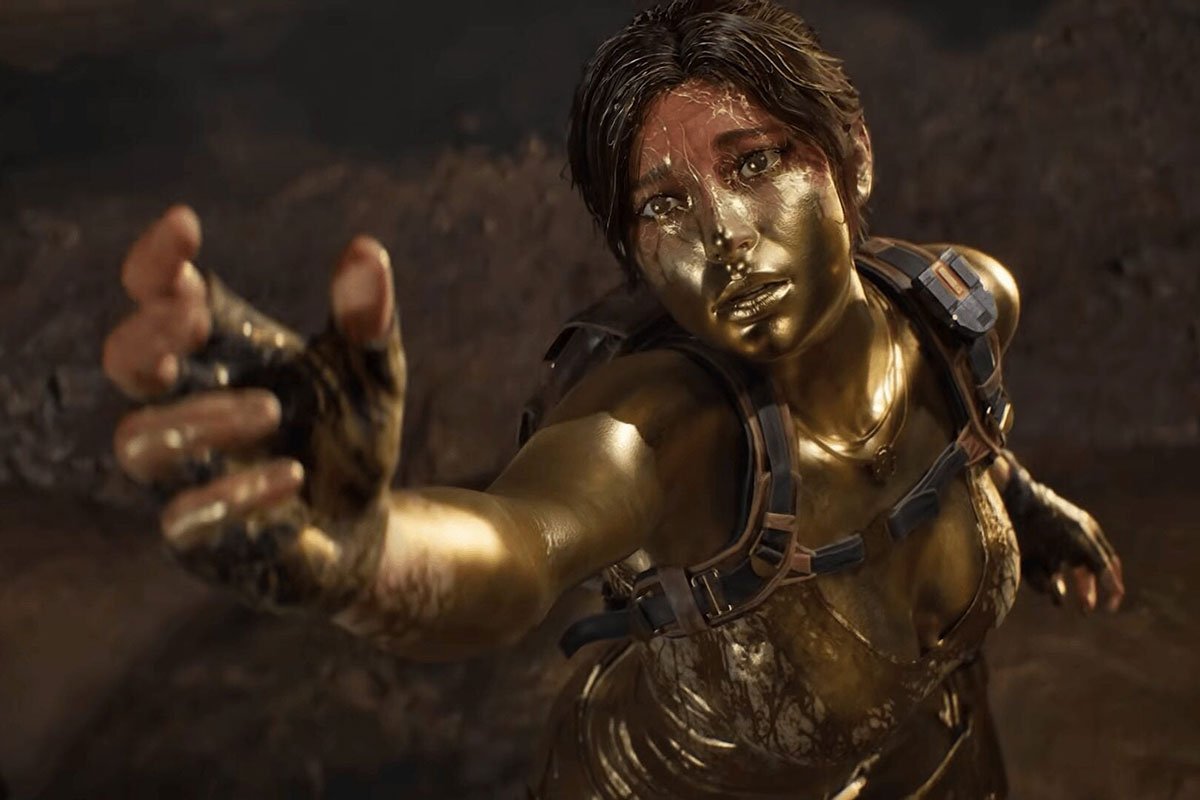









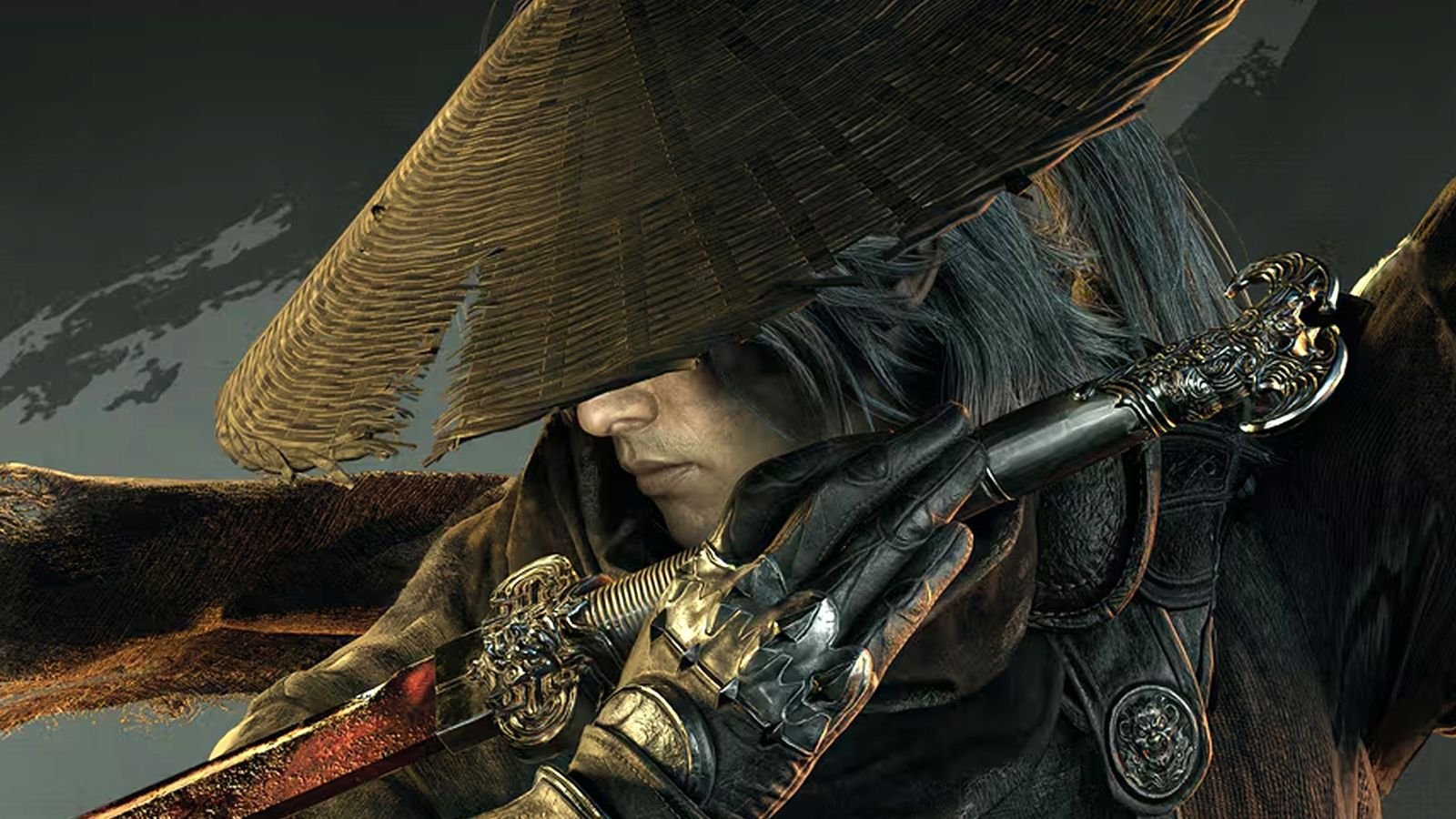
Phantom Blade Zero stands as a major entry in the growing movement of Chinese-developed AAA gaming. Developed by S-Game, the title functions as a bold reimagining of the studio’s own history, specifically rooted in the 2009 indie RPG Rainblood: Town of Death. By utilizing Unreal Engine 5, the developer has constructed a world they describe as “kungfupunk”—a stylistic juxtaposition that blends traditional wuxia architectural elements with industrial steel aesthetics and a hybrid musical score that pits pipa strings against high-energy electric guitar.
The game places players in the role of Soul, an elite assassin operating under the Order. Following a traumatic confrontation that leaves him with limited time to live, the gameplay focus shifts to a high-octane pursuit of survival. Rather than utilizing standard tropes, the game centers on the manipulation of Sha-Chi, an energy resource that fuels both martial arts maneuvers and the technological infrastructure of its world.
Phantom Blade Zero combat: martial-arts mocap and 50+ weapons
At its core, Phantom Blade Zero is defined by its combat mechanics. To ensure authenticity, S-Game collaborated with Hong Kong cinema legend Donnie Yen and his specialized stunt team to capture fluid, realistic martial arts movements. This commitment to motion capture gives the player character a sense of physical weight and precise choreography that remains consistent even when the action accelerates into complex, screen-filling sequences.
Players have access to an extensive arsenal of over 50 unique weapons. Each implement alters the fundamental flow of combat, ranging from the Jagged Steel blade—which applies damage-over-time effects through bleeding—to the heavy Scarlet Wraithblade that creates lingering environmental hazards. The game encourages strategic weapon swapping; rotating through different armaments provides a tactical benefit by refreshing the player’s Sha-Chi gauge. While the sheer volume of equipment may present a steep learning curve, the ability to tailor a specific combat rhythm provides a layer of mechanical depth that keeps encounters engaging.
Exploration and level design
The world of Phantom Blade Zero is vast and visually dense, taking players through diverse landscapes ranging from serene bamboo forests to intricate, clockwork-inspired industrial sectors. Special items, known as Phantom Edges, function both as tools for combat and as keys to navigating the environment. For instance, players utilize chain sickles to interact with specific traversal points, effectively unlocking new paths through the map.
However, the traversal experience is structured in a way that feels somewhat restrictive compared to its open-world peers. Movement often relies on fixed interaction prompts rather than free-form parkour. Players frequently encounter invisible barriers when attempting to traverse the environment, which can lead to friction when navigating the dense map. Despite the artistic elegance of the environment, the reliance on gated access points occasionally hampers the sense of freedom typically expected in modern action titles.
Boss fights and difficulty
While the game shares some structural elements with the action-RPG genre, it distinguishes itself through its approach to challenge and progression. Checkpoint systems do not trigger respawning enemies, and resource management is handled with a level of leniency that avoids the punitive nature of traditional genre staples.
Boss encounters represent the game’s greatest test of skill. These battles are characterized by aggressive, high-damage patterns that demand quick reflexes and efficient use of parry windows. While the inclusion of multiple difficulty settings and accessory-based stat boosts allows for a more accessible experience, some boss encounters suffer from “sponginess,” where the player must endure prolonged phases despite successful performance. Furthermore, the interplay between the game’s camera and narrow environmental geometry can occasionally obstruct the player’s view during critical finishing moves.
Phantom Blade Zero performance on PS5 Pro
Technical performance remains a primary concern for the title. Despite being tested on high-end hardware like the PlayStation 5 Pro, significant instability emerged, particularly in the latter half of the game. Issues include inconsistent audio mixing between voice lines and the soundtrack, as well as graphical anomalies such as malfunctioning reflections in water.
Most pressing are the erratic framerate drops that manifest during intense combat sequences. These technical hitches can turn fluid encounters into a slideshow, which is particularly detrimental given the precision required for the game’s parry-focused mechanics. S-Game has indicated that post-launch updates are intended to address these optimization hurdles. Despite these technical limitations, the game offers a rich, lore-heavy experience, particularly within the central town of Pangzhen, which rewards exploration with complex character arcs and branching narrative outcomes. While the initial experience is hampered by these performance gaps, the foundational design and artistic vision suggest a title that aims to set a high standard for future releases from the studio.
Disclaimer: This content is auto-generated for informational purposes only.
Source: Read Original News