







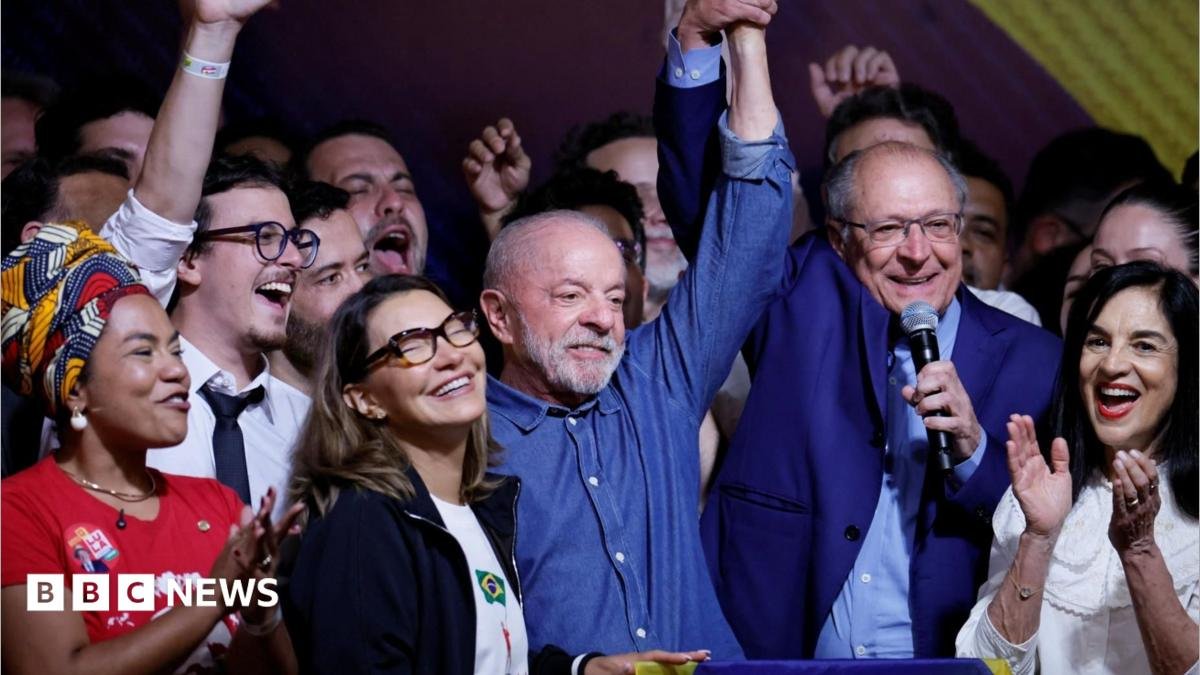
Luiz Inácio Lula da Silva has secured a historic and unexpected fourth term as president of Brazil, overcoming a significant deficit in the first round of voting to defeat Senator Flávio Bolsonaro in a high-stakes runoff.
With 98.87% of ballots counted, Brazil’s electoral court (TSE) officially declared Lula the winner. The incumbent president captured 51.79% of the vote, compared to 48.21% for the challenger. The margin of victory is notably wider than the one Lula achieved against the senator’s father, former President Jair Bolsonaro, during the 2022 election.
This result marks a landmark moment in Brazilian political history. It is the first time since the nation returned to democracy that a candidate who trailed in the initial round of polling has successfully overturned the result to win the presidency. Analysts attribute the surge to a massive, coordinated campaign by Lula’s base, which saw hundreds of thousands of supporters take to the streets in major urban centers, including São Paulo and Rio de Janeiro, while dominating the digital landscape.
The fervor surrounding the election resulted in a historic turnout. Data from the TSE indicates the largest decrease in voter abstention between the first and second rounds of a presidential contest since 1989, underscoring the deep polarization and intense public engagement defining this cycle.
However, the path to victory was not without significant volatility. The campaign was marred by accusations of voter suppression, with Lula’s supporters alleging that a suspicious shortage of public buses in key cities like São Paulo and Salvador deliberately hindered residents from reaching polling stations. Conversely, the Flávio Bolsonaro campaign pressured officials to extend voting hours, citing severe weather conditions in the country’s south. The Supreme Court ultimately intervened, granting a two-hour extension to the voting period to ensure equitable access.
The atmosphere of this election was further complicated by the shadow of the previous administration. Former President Jair Bolsonaro, who was defeated by Lula in 2022, remains incarcerated following his conviction in September 2025 on charges of attempting a coup d’état. His son’s defeat in this runoff effectively closes a volatile chapter for the Bolsonaro political brand, at least for the time being.
Lula, who will now serve until 2030, enters this unprecedented fourth term with a clear mandate from a highly mobilized electorate. As he prepares to transition into this new era of governance, the veteran leader faces the challenge of uniting a fractured nation. For now, however, the day belongs to his supporters, who view this victory as a resilient affirmation of his political career and a decisive shift in the country’s trajectory.
Disclaimer: This content is auto-generated for informational purposes only.
Source: Read Original News