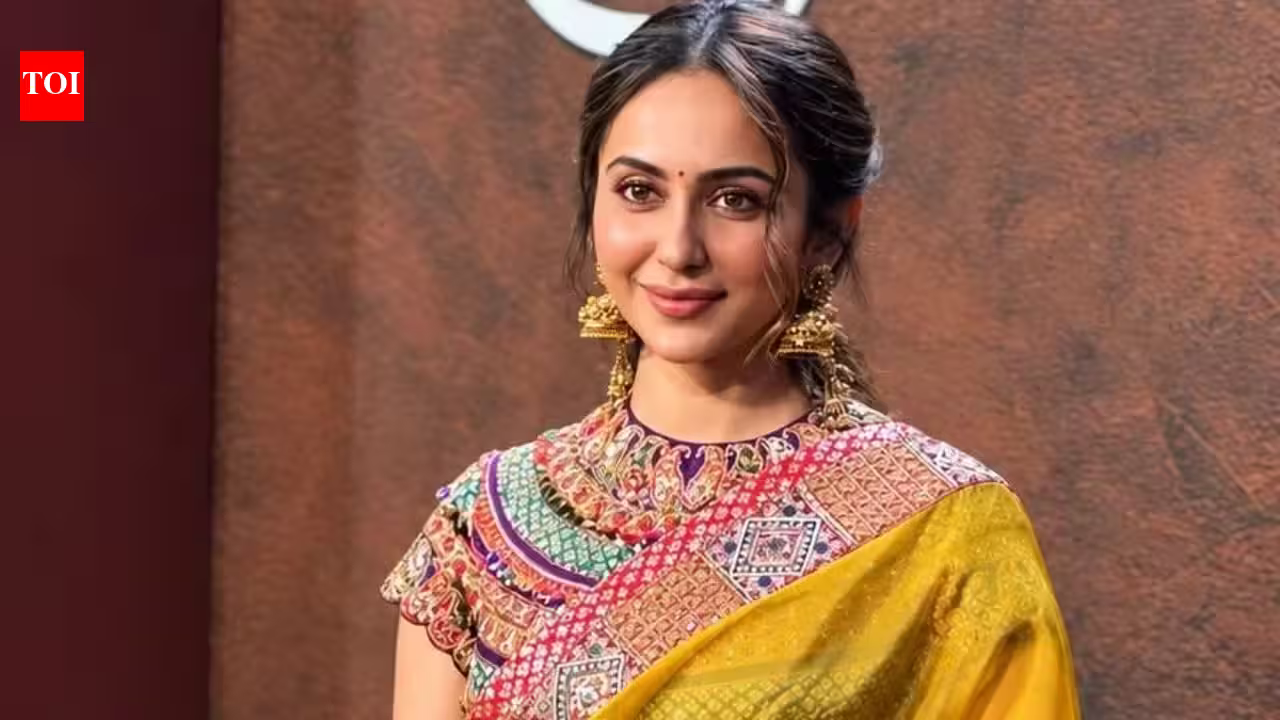









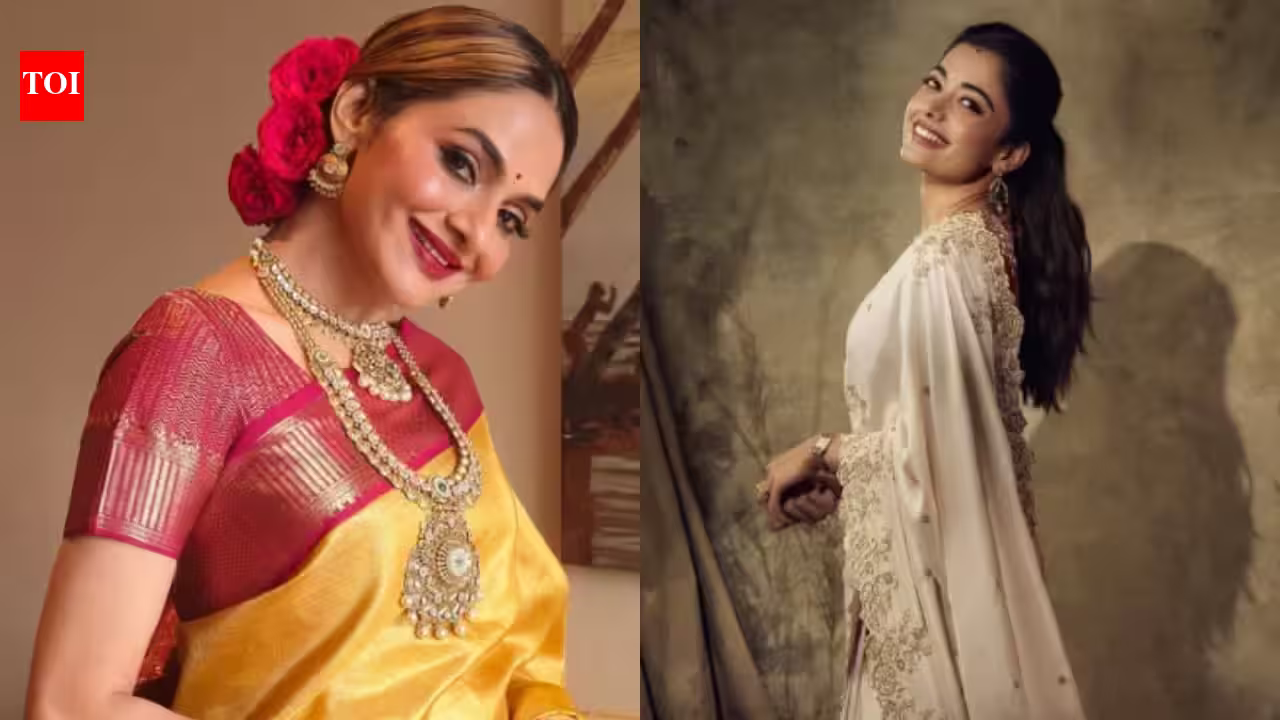
In the relentless, high-pressure machinery of Bollywood, the pressure to conform is often as suffocating as it is invisible. For decades, actors hailing from South India have entered the Hindi film industry with a dual burden: the challenge of mastering a new language and the lingering, often unspoken, stigma of an “accent.” However, a refreshing shift in the narrative is currently underway, led by the unapologetic confidence of Rashmika Mandanna and bolstered by the wisdom of industry veterans like Madhoo.
The discourse surrounding linguistic regionalism in cinema is finally being confronted head-on. Rashmika, currently one of the most bankable stars in the country, has refused to let the “South Indian accent” trope become a source of shame. Instead, she is rebranding it as an authentic extension of her identity.
A Watershed Moment on ‘Koffee with Karan’
The conversation reached a fever pitch following Rashmika’s candid appearance on Koffee with Karan. Rather than retreating into a defensive crouch when faced with inquiries about her diction, she leaned into the truth. She acknowledged her roots with a shrug and a smile, effectively diffusing a critique that has been used to diminish actors for years.
“I am from the South of India. So I am going to have an accent. It’s unreasonable to think otherwise,” she noted during the episode. This wasn’t just a soundbite; it was a firm boundary. By owning her cadence, she stripped the criticism of its power, transforming a potential “weakness” into a marker of her cultural provenance. It is this specific brand of modern, unbothered grace that has resonated with peers and seniors alike.
Madhoo’s Mirror to the Past
The most poignant endorsement of this attitude came from veteran actress Madhoo. Reflecting on her own journey, the Roja star offered a candid look at the psychological toll the “accent police” took on her generation. For actors entering the industry thirty years ago, the stakes felt like survival.
“Many, many years ago, when I became a Hindi film actor, I was so afraid of the judgments I was getting, and thought I would get, for being a South Indian,” Madhoo shared via an Instagram video. Her testimony serves as a stark reminder of the era when perfection—or at least the mimicry of it—was the only way to avoid being sidelined.
Madhoo spoke of the grueling process of hiring Urdu teachers and obsessively refining her Hindi to avoid being “caught out.” It was a race for validation, where a compliment about her Hindi being “better than a native speaker” felt like a hard-won trophy. To hear her today, looking back at that cycle of anxiety with such clarity, is to witness the evolution of the industry’s self-worth. It took Madhoo decades to reach a place of internal peace; she sees in Rashmika a girl who has arrived there at the very start of her journey.
The Power of Being Unapologetic
What makes this moment significant is the collective shift in how we perceive regional identities on a pan-Indian platform. When someone like Javed Akhtar—a man whose command over the Hindi and Urdu languages is legendary—speaks out in defense of an actor’s right to keep their native accent, the conversation shifts from “correction” to “celebration.”
The “accent” is no longer a professional liability; it is an authentic aesthetic. In a globalized world where audiences crave genuine personality over cookie-cutter performances, Rashmika’s refusal to scrub her voice clean of its origins feels like a radical act of self-love. Madhoo’s praise—calling the younger star a “true star” for her handling of the situation—validates this cultural pivot. It signals that the gatekeepers of Bollywood are no longer just the critics; they are the artists themselves, and they are tearing down the gates.
Looking Toward a Pan-Indian Future
Rashmika Mandanna is not just navigating a career; she is navigating a new era of Indian cinema. With high-profile projects like the action thriller Mysaa and the highly anticipated sci-fi spectacle Raaka—which will see her share the screen with Allu Arjun, Deepika Padukone, and director Atlee—her reach is only expanding.
The fact that she holds her own in these massive, cross-regional projects while remaining tethered to her identity is a blueprint for the next generation of talent. We are moving away from an industry that demands total assimilation and toward one that celebrates the rich, diverse tapestry of Indian dialects.
The debate over the “South Indian accent” is a dying one. When industry legends like Madhoo stand up to cheer for the youth, it’s a clear message to the critics: the days of feeling diminished for one’s roots are over. Rashmika Mandanna is proving that you don’t need to lose your voice to be heard—you just need to be loud enough to own it. As Madhoo perfectly put it, “I am so proud to say that I am a South Indian. If I make a mistake in Hindi or my accent has the thickness of a South Indian, I am okay with it.”
It is a liberating sentiment, and one that is finally setting the stage for a more inclusive, authentic, and confident Indian film industry.
Disclaimer: This content is auto-generated for informational purposes only.
Source: Read Original News