







A Technical Leap with Unreal Engine 5
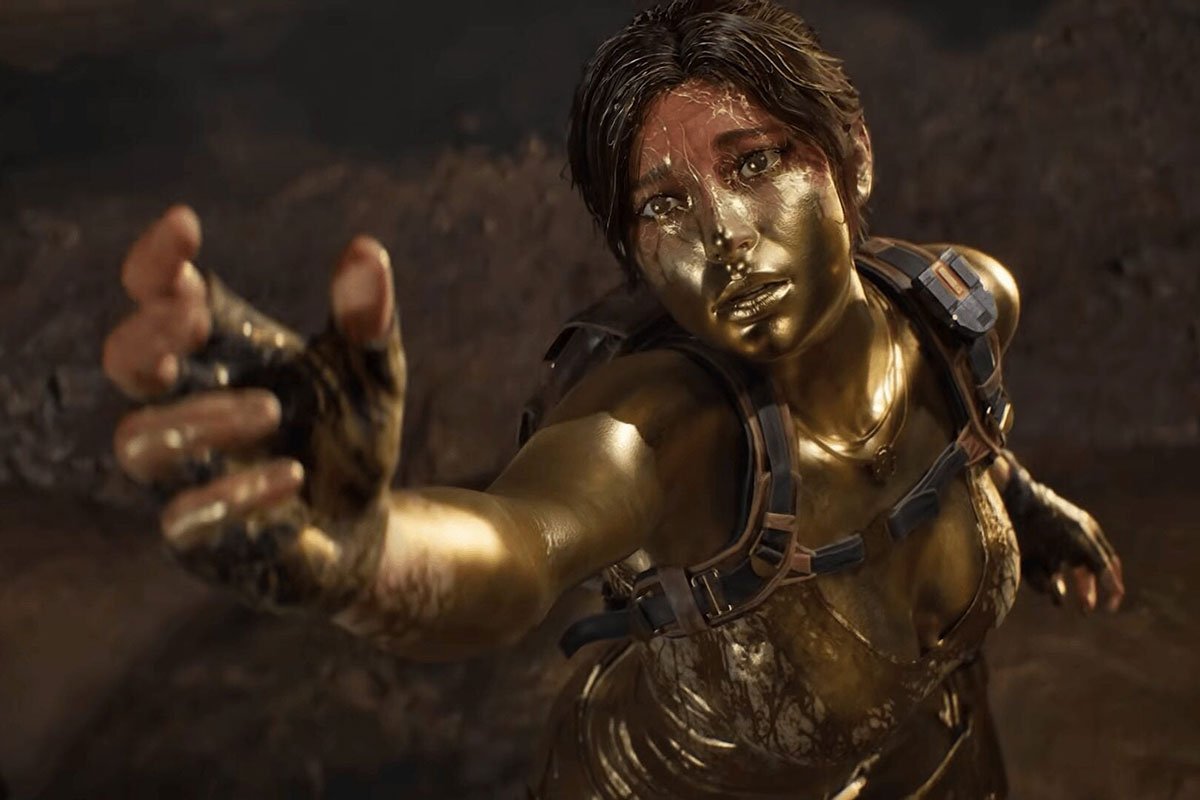
The announcement of Tomb Raider: Legacy of Atlantis marks a significant milestone in digital preservation and modern technical reconstruction. By utilizing the Unreal Engine 5 framework, developers Crystal Dynamics and Flying Wild Hog are moving beyond a simple graphical face-lift. The implementation of Nanite and Lumen technologies represents a fundamental shift in how the environment of Lara Croft is rendered. Nanite, a virtualized geometry system, allows for cinematic-level detail in the ancient architectural ruins of Greece and the dense, vertical foliage of Peruvian jungles without compromising frame rate stability.
Furthermore, the lighting engine, powered by Lumen, provides real-time global illumination. This creates dynamic shadow play and light reflection that significantly alters the player’s navigation through dark, confined tombs. Unlike the static lighting models of the 1996 original, these environments now interact with the player’s light sources, such as flares and muzzle flashes, in a physically accurate manner. This technological foundation ensures that the scale and atmosphere of the original game are not merely replicated but elevated to contemporary standards of photorealism.
Expanding Mechanics and Skill Integration
While the core identity of the franchise—exploration, environmental puzzle-solving, and survival—remains the focus, Legacy of Atlantis introduces a comprehensive skill tree system. This feature represents a departure from the linear progression of the original title, providing players with more agency over Lara’s capabilities. By gathering resources and completing specific tomb challenges, players can unlock passive and active skills that affect movement, weapon proficiency, and forensic investigation.
This system is designed to reward curiosity. Players who investigate the periphery of a tomb or solve intricate environmental contraptions gain access to upgrades that assist in harder encounters. For instance, advanced agility skills may open new traversal paths in complex vertical spaces, while engineering knowledge might allow for the deactivation of lethal mechanical traps that were previously unavoidable. This addition modernizes the gameplay loop, transforming the character from a static avatar into a developing individual whose growth reflects the player’s specific style of engagement with the world.
Narrative Cohesion and Timeline Synthesis
One of the primary challenges of a remake is integrating it into a franchise that has spanned three decades of narrative permutations. Legacy of Atlantis seeks to act as a bridging entity. The developers have stated that the narrative scope has been expanded, with the inclusion of story elements that tie together the disparate eras of Lara Croft’s history. This involves weaving the specific events of the Scion artifact hunt into a larger, more cohesive lore framework that links the classic trilogy—Tomb Raider, Tomb Raider II, and Tomb Raider III—to the modern reboot installments.
This narrative design choice provides a bridge for both veteran players and newcomers. By clarifying the historical significance of the Scion, the team aims to establish a more grounded foundation for future releases. The expanded story sequences provide context to the Mediterranean island settings and the mythos surrounding Atlantis, ensuring that the stakes feel as significant in a modern context as they did during the inception of the series.
Strategic Partnership and Studio Collaboration
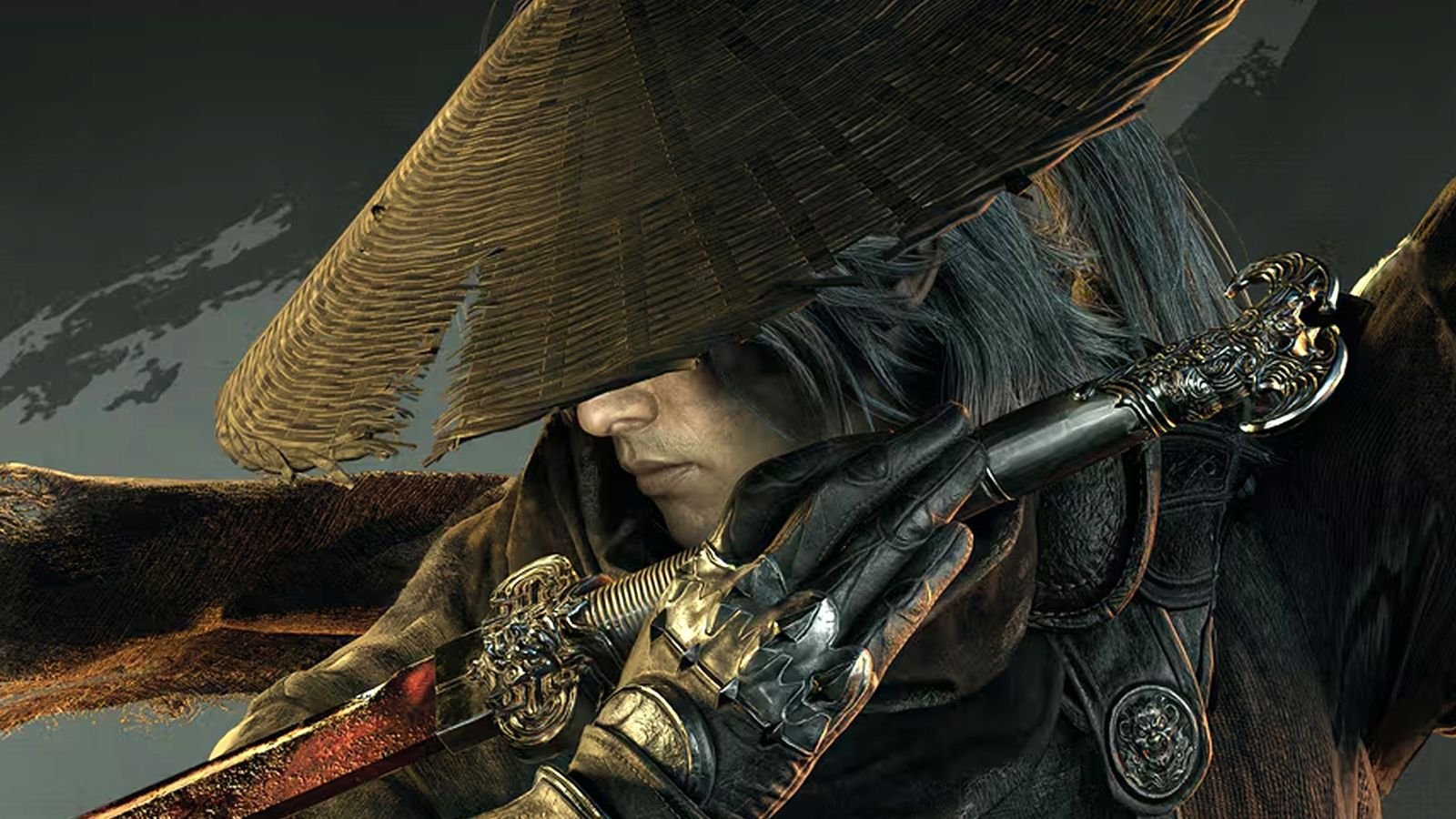
The collaboration between Crystal Dynamics and Flying Wild Hog is a noteworthy aspect of this project. Flying Wild Hog, known for their work on high-octane titles like Shadow Warrior and the atmospheric Trek to Yomi, brings a specific technical expertise in fluid combat systems and stylistic world-building. This partnership allows Crystal Dynamics to focus on narrative integrity and franchise management while delegating the intricacies of modern combat mechanics and environmental physics to a team with a strong track record in action-oriented development.
Should Legacy of Atlantis achieve success in the market, it establishes a blueprint for the future of the series. Rumors have already suggested that the success of this title could lead to comprehensive remakes of the subsequent entries in the original trilogy. This would result in a modernized, unified collection of the early era, giving developers a clearer roadmap to maintain the legacy of the property while leading up to the release of the upcoming sequel, Tomb Raider: Catalyst, which is projected for 2028.
Defining the Future of Franchise Preservation
The release of Tomb Raider: Legacy of Atlantis, scheduled for February 12, 2027, occupies a unique space between a heritage project and a new technical benchmark. It is distinct from the next major entry, Catalyst, which is positioned chronologically after the events of Tomb Raider: Underworld. By separating the timeline of the legacy remakes from the forward-looking narrative of the main franchise, the developers avoid the pitfalls of continuity errors that often plague long-running series.
The technical impact of this project extends to how the industry approaches historical intellectual property. Rather than abandoning older titles, the implementation of Unreal Engine 5 allows for the complete reimagining of classic mechanics and level design. This approach ensures that the fundamental DNA of the Tomb Raider franchise—the isolation, the reliance on intellect, and the pursuit of lost history—remains intact while providing the fidelity and mechanical depth expected of a modern gaming experience. As the project approaches its 2027 launch, it stands as a case study in how studios can honor their history while aggressively adopting new tools to push the boundaries of action-adventure games.
Disclaimer: This content is auto-generated for informational purposes only.
Source: Read Original News