








The Rise of the M-Vave FM-1 as a Hardware Development Platform
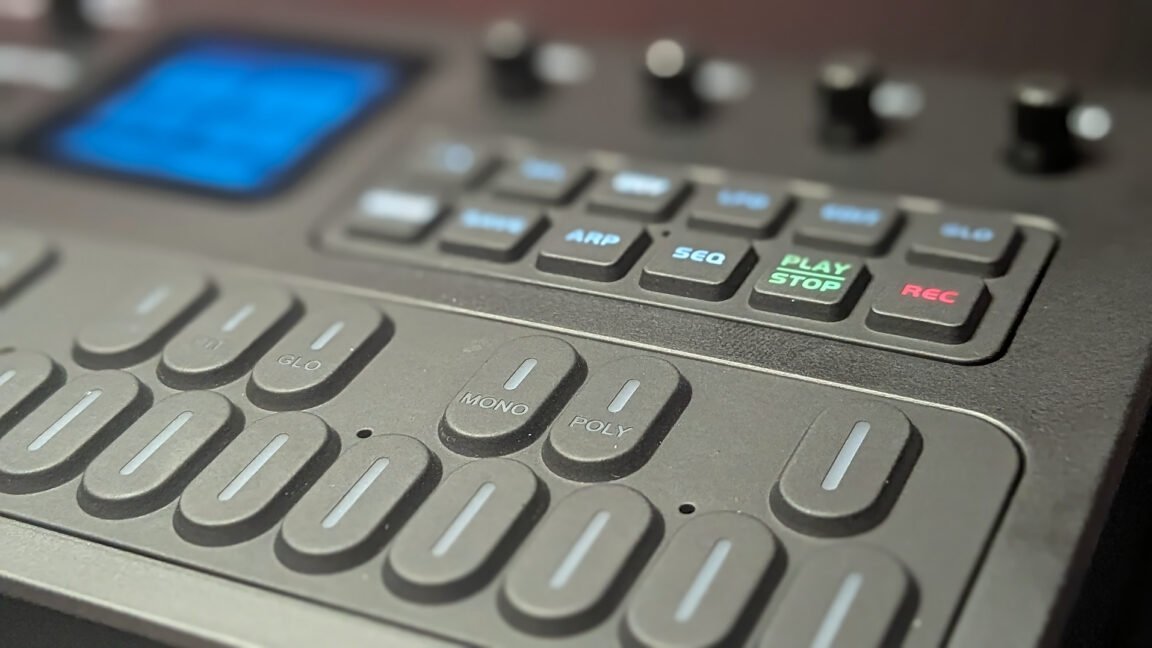
The M-Vave FM-1 hit the market as an unassuming, budget-friendly frequency modulation synthesizer. Priced at under $60, it was initially marketed as a portable, pocket-sized homage to the complex sound design capabilities of classic FM synthesis hardware like the Yamaha DX7. With its 27 touch-sensitive keys and a sharp 1.54-inch TFT display, it served its purpose as an entry-level musical instrument. However, the hardware’s modest cost and accessible architecture quickly caught the attention of the electronics hobbyist community.
What began as a niche interest in exploring the device’s sound engine shifted dramatically when enthusiasts on platforms like Reddit began reverse-engineering the stock firmware. What was once a singular tool for synthesis has transformed into a blank canvas for hardware hackers. This transition from a rigid consumer product to a community-driven development platform reflects a growing trend in consumer electronics where the lifespan of a device is determined not by the manufacturer, but by the ingenuity of its user base.
From Synthesis to Custom Firmware
The breakthrough for the FM-1 occurred in the latter half of this year. By September, the first wave of community-developed firmware projects emerged, proving that the device’s internal hardware—specifically its microcontroller and interface components—was capable of far more than simple FM synthesis. Developers discovered that they could repurpose the physical keys, the built-in display, and the internal processor to execute entirely different tasks.
This development phase accelerated rapidly, culminating in the realization that the FM-1 could run classic software titles such as Doom. While the game does not represent a standard musical application, it serves as a “Hello World” benchmark for hardware hackers. Running such software on a $60 synthesizer highlights the efficiency of the device’s architecture and the dedication of the developers who painstakingly mapped the input controls to the game’s requirements.
M-Vave’s Official Open Platform Initiative
In a departure from industry norms, M-Vave embraced this unauthorized tinkering rather than obstructing it. On October 17, the company launched FM1 Open, a formal software package designed to support and accelerate the development of custom firmware. By providing an official Software Development Kit (SDK) and a browser-based workbench, M-Vave has effectively legitimized the community’s efforts to expand the device’s utility.
This initiative includes version 15 of the stock firmware, which now serves as a foundation for developers to build upon. By providing the tools to flash and test custom code, M-Vave has removed the technical barriers that often discourage users from modifying their hardware. The inclusion of an in-browser emulator is particularly notable, as it allows developers to safely test their code in a virtual environment before writing it to the physical flash memory of the device.
Understanding the Architecture and Limitations
While the FM1 Open initiative provides significant freedom, it is important to understand the technical scope of the project. The company has released the application source code under the GPLv3 license, ensuring that modifications remain free and shareable. However, the core synthesis engine—the proprietary code that generates the instrument’s musical tones—remains a closed binary.
This means that while developers have full control over the user interface, the input mapping, and the peripheral management, they cannot modify the fundamental audio synthesis algorithms provided by M-Vave. For most users, this distinction is negligible. The open application layer provides more than enough overhead to turn the FM-1 into MIDI controllers, sequencers, gaming handhelds, or utility tools. The hardware’s internal screen and touch sensors are more than adequate for these secondary functions, effectively turning a single-purpose music toy into a multi-functional embedded system.
The Impact of Community-Driven Hardware
The M-Vave FM-1 is a prime example of the value found in “low-cost, high-potential” hardware. By keeping the price point accessible, the manufacturer ensured a large install base, which provided the necessary population for a robust developer community to emerge. When the manufacturer chooses to support this community through official SDKs and emulators, the device’s value proposition increases exponentially.
This model serves as a blueprint for other electronics manufacturers. By leaning into the hobbyist community rather than creating “walled gardens,” companies can foster long-term loyalty and keep their products relevant long after their initial release. The FM-1 is no longer just a budget synthesizer; it is now a platform for experimentation. For engineers and enthusiasts alike, the device offers a low-stakes environment to practice embedded programming and hardware interface design.
Future Outlook for the FM-1 Ecosystem
Looking ahead, the trajectory of the FM-1 is likely to see even more specialized firmware builds. As the FM1 Open workbench becomes more refined, the barriers to entry for non-programmers will continue to drop. We can anticipate the arrival of community-managed repositories where users can download and flash various “personalities” for their devices, switching between a synthesizer, a desktop calculator, or a portable gaming device within seconds.
The success of this project confirms that consumers are eager for devices that offer agency. When a company provides the tools to modify the internal software, they are not just selling a product; they are inviting the customer into the design process. The M-Vave FM-1 has become more than just a musical accessory—it is a lesson in how open, collaborative development can redefine the utility of simple electronic hardware in the modern age.
Disclaimer: This content is auto-generated for informational purposes only.
Source: Read Original News