








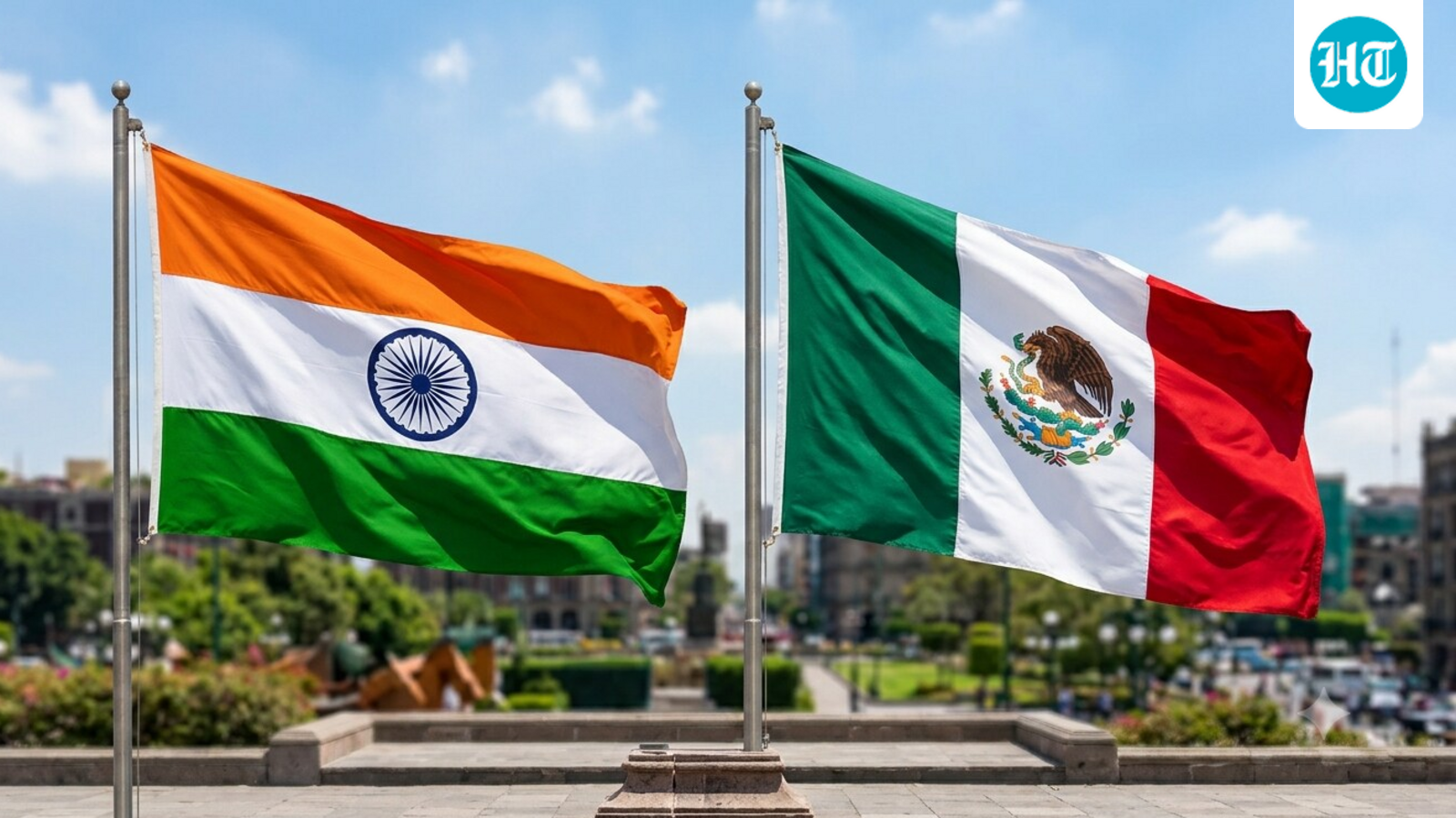
India, Mexico Set to Launch PTA Negotiations to Counter Tariff Hikes
India and Mexico are poised to sign the Terms of Reference (ToR) this week, marking the official commencement of negotiations for a Preferential Trade Agreement (PTA). The move comes as a strategic response to protect Indian exporters from the burdensome tariffs recently introduced by the Mexican government, which have created significant hurdles for key sectors including automobiles, textiles, and steel.
Commerce Secretary Rajesh Agrawal is currently leading a trade mission to Mexico, with the formal signing expected to take place in the coming days. This diplomatic effort is aimed at securing relief for Indian goods that have been hit by duties reaching as high as 50% under Mexico’s new trade policy.
Safeguarding Key Export Sectors
The proposed agreement is designed to alleviate the pressure on Indian manufacturers currently facing steep tariffs on 1,463 items. Mexico implemented these duty hikes on January 1, 2026, as part of an ambitious national development initiative. The policy, which seeks to bolster domestic production chains by 15% before 2030, aims to revitalize Mexico’s local industry and stimulate significant job growth.
For India, the stakes are high. In the 2025-26 fiscal year, India’s merchandise exports to Mexico reached $5.73 billion. The automobile sector serves as the backbone of this relationship, accounting for $1.92 billion of total exports. Other vital categories currently under threat from the new tariff regime include plastics, chemicals, footwear, household appliances, and toys.
A Strategic Pivot Toward PTAs
Trade experts suggest that pursuing a PTA is a pragmatic, time-sensitive decision. Unlike a Comprehensive Free Trade Agreement (FTA), which involves lengthy negotiations and extensive regulatory harmonization, a PTA provides a swifter pathway to market access. By focusing on a specific, positive list of products, both nations can address urgent tariff challenges without the delays inherent in broader, more complex trade deals.
“A PTA allows us to stabilize our trade relations and protect our exporters in the short-to-medium term,” noted one official familiar with the discussions. The agreement will likely focus exclusively on trade in goods, offering reduced tariff rates for a curated selection of products rather than a blanket elimination of duties.
Economic Context of India-Mexico Ties
The bilateral trade relationship, which totaled approximately $7.83 billion in FY26, is currently characterized by a significant trade surplus in India’s favor. While India exports a diverse range of engineering goods, pharmaceuticals, and automotive components, Mexico’s exports to India are largely dominated by crude oil, which constitutes nearly 75% of its shipments. Other major imports from the Latin American nation include chemical compounds and gold-related jewelry.
By formalizing the Terms of Reference, New Delhi and Mexico City are signaling a shared commitment to maintaining the momentum of their commercial partnership. As global markets fluctuate, the PTA is expected to provide a crucial framework for Indian businesses to remain competitive within the Mexican economy, ensuring that essential sectors like steel and automobiles can navigate the challenges posed by Mexico’s shifting industrial landscape.
Disclaimer: This content is auto-generated for informational purposes only.
Source: Read Original News