








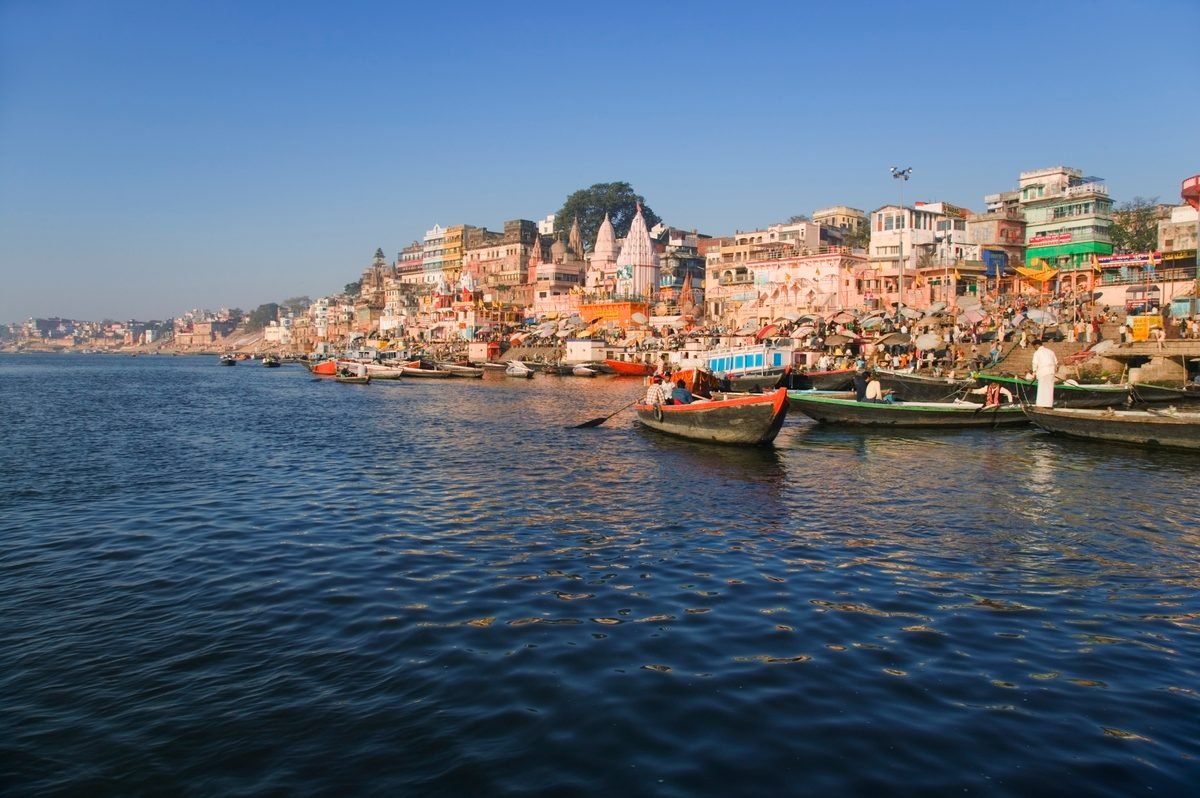
For millions of Hindus, the Ganges—or Ganga—is more than a river; it is a celestial entity, a goddess who descended to Earth to cleanse humanity of its sins. Yet, this sacred waterway, which stretches over 2,500 kilometers from the Himalayan glaciers to the Bay of Bengal, has become a conduit for ecological devastation. Today, the very water that millions believe purifies the soul is more likely to toxify the body.
The statistics surrounding the river’s health are harrowing. Millions of liters of industrial waste, chemical effluents, and raw sewage are discharged into the river daily. In various stretches, water quality testing has revealed contamination levels ranging from 150 to 1,000 times the safety thresholds for bathing or drinking. This toxic cocktail of heavy metals, coliform bacteria, and non-biodegradable plastics poses a severe threat to the 450 million people who reside in the Ganges basin, causing widespread incidences of typhoid, hepatitis, dysentery, kidney damage, and cancer.
Beyond the main artery, stagnant tributaries choked by plastic waste have become breeding grounds for disease-carrying mosquitoes, fueling outbreaks of malaria and dengue. While the human toll is immense, the lack of robust, centralized reporting makes it impossible to establish an accurate casualty count for these waterborne health crises.
The environmental degradation extends far beyond human health. The river serves as a lifeline for 10% of the world’s population, yet the ecosystem is collapsing. Climate change, which is rapidly depleting the Himalayan glaciers that feed the river, combined with excessive damming, has significantly reduced water flow. This reduction in volume exacerbates the concentration of pollutants, creating a lethal environment for the river’s unique wildlife.
The Ganges River Dolphin, India’s national aquatic animal, is now critically endangered, with only a few thousand remaining. These sightless mammals, which rely on echolocation, are forced to navigate through sediment-heavy, toxic waters. Similarly, the Gharial and Mugger crocodiles, once symbolic of the river’s wild vitality, face constant threats from entanglement in fishing nets and illegal hunting. The elusive Ganges River Shark has become so rare that sightings are generational events, and the river’s biodiversity—from smooth-coated otters to diverse turtle species—is under constant pressure.
Cultural and spiritual practices further complicate the river’s restoration. In the ancient city of Varanasi, funeral pyres burn incessantly to facilitate the scattering of ashes into the sacred waters. However, traditional cremation methods often leave remains partially unburned, leading to the disposal of organic waste directly into the flow. This practice reached a grim nadir during the Covid-19 pandemic, when hundreds of bodies were found clogging the riverbanks in Uttar Pradesh—victims of the virus whose families lacked the means for formal cremations.
Illegal activities exacerbate these issues. Over 3,000 unlicensed slaughterhouses operate clandestinely, disposing of waste into the water to avoid scrutiny. Furthermore, industrial tanneries, particularly in hubs like Kanpur, continue to dump hazardous levels of chromium, arsenic, and mercury into the basin, prioritizing profit over the sanctity of the river.
Attempts to rehabilitate the Ganges have historically stalled. The struggle to clean the river is hindered by a complex web of conflicting interests: political maneuvering, industrial lobbying, religious sensitivities, and systemic corruption. Efforts by environmentalists often clash with the sheer scale of the waste produced by the human population that relies on the river for survival.
As the river flows toward the Bay of Bengal, the contrast between its divine reputation and its current reality is stark. The persistent deification of the Ganges, meant to inspire reverence, currently stands in uneasy opposition to the environmental desecration unfolding on its banks. Until the systemic issues of waste management and industrial regulation are addressed, the “cleansing” power of the Ganga will remain a tragic paradox.
Disclaimer: This content is auto-generated for informational purposes only.
Source: Read Original News